
Compare models

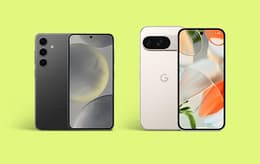
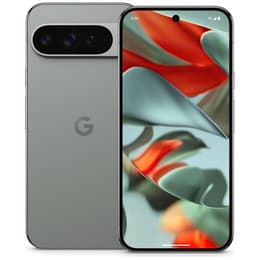
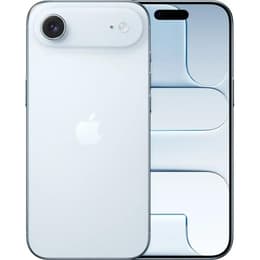
Google Pixel 9 Pro XL Vs iPhone Air

  • 1-year minimum warranty
  • Free delivery on all items
  • Free 30-day returns
Google Pixel 9 Pro XL
Starting at

Refurbished price:£387.00

Versus £1,099.00 new

See options
iPhone Air
Starting at

Refurbished price:£604.00

Versus £1,099.00 new

See options

Differences at a glance

The Google Pixel 9 Pro XL (2024) and the Apple iPhone Air (2025) represent two distinct approaches to high-end mobile engineering, balancing expansive capability against ultra-slim portability. While the Pixel device prioritizes comprehensive hardware features and extensive multitasking space, Apple's model focuses on an exceptionally thin profile and streamlined efficiency. Operating on Android and iOS respectively, these smartphones cater to users looking for distinct software ecosystems combined with modern daily performance.

Available Models

Colour

Storage

Scores

Durability

When examining hardware longevity and ongoing software updates, both devices offer robust support spans tailored for long-term usage, though their release schedules and update frameworks differ.

  • Software Support Window: The Google Pixel 9 Pro XL provides seven years of operating system and security updates from its 2024 launch, whereas the iPhone Air follows Apple's standard multi-year support schedule backed by iOS.
  • Repairability and Build Longevity: Both models utilize durable glass and metal structures paired with high water-resistance ratings, though professional repair networks vary significantly between Android and iOS ecosystems.
  • Expected Practical Lifespan: Thanks to generous memory allocations and high-efficiency processors, both phones maintain the hardware headroom necessary to remain functional and responsive for many years of daily use.

Year of Release

2024

2025

Compatible with latest Update

Yes

Yes

OS

Android

iOS

Foldable

No

No

Performance

Daily performance and system responsiveness differ based on hardware architecture and memory integration, influencing how each device handles intensive applications and demanding workflows.

  • App Loading and Multitasking: Both devices handle heavy applications, rapid app switching, and demanding games smoothly, supported by generous baseline random access memory configurations.
  • Battery Behavior: The Google Pixel 9 Pro XL features a larger physical battery capacity that easily sustains a full day of heavy mixed usage, while the iPhone Air relies on power-efficient processing to maximize endurance within its slim frame.
  • Storage Options: Multiple storage tiers are available across both lineups, accommodating large media libraries and local file storage without supporting expandable memory cards.

Screen quality

Display characteristics shape the primary viewing experience, offering distinct screen dimensions, panel technologies, and outdoor visibility metrics.

  • Display Technology: Both models utilize advanced OLED panels providing deep black levels, vibrant color reproduction, and high contrast ratios for media consumption.
  • Brightness and Outdoor Clarity: High peak brightness levels ensure that content remains legible under direct sunlight, supported by adaptive refresh rates that scale dynamically up to 120Hz for fluid scrolling.
  • Size and Viewing Area: The Pixel offers a slightly larger screen footprint suited for productivity tasks, while the iPhone provides a moderately compact canvas that balances display estate with one-handed reachability.

Resolution

1344 x 2992

2736x1260

Screen type

LTPO OLED

Super Retina XDR

Audiovisual

Imaging capabilities diverge notably in lens configuration and built-in multimedia output, affecting both photography versatility and audio reproduction.

  • Camera System Versatility: The Google Pixel 9 Pro XL includes a versatile triple-lens rear setup featuring dedicated optical zoom capabilities, whereas the iPhone Air employs a streamlined single-lens rear camera system optimized for everyday clarity.
  • Video and Low-Light Performance: Both devices capture detailed low-light photographs and stable high-definition video recordings, utilizing computational enhancements to balance challenging lighting conditions.
  • Media and Audio Output: Built-in stereo and mono speaker configurations deliver clear voice calls and adequate media playback, though external headphones or speakers improve immersive audio experiences.

Main camera

50 megapixels

48 megapixels

Front camera

42 megapixels

18 megapixels

Miscellaneous

Practical everyday features, physical dimensions, and connectivity standards determine how comfortably each smartphone integrates into travel and professional routines.

  • Physical Handling: The iPhone Air emphasizes an ultra-thin, lightweight titanium build that minimizes pocket bulk, while the Pixel 9 Pro XL presents a slightly heavier, robust profile designed for a more substantial grip.
  • Connectivity and Ports: Both models support modern 5G networks, fast Wi-Fi standards, and universal USB-C connectivity for charging and data synchronization.
  • Authentication Sensors: Secure biometric access is provided through responsive under-display fingerprint sensors or advanced facial recognition systems depending on the chosen ecosystem.

Weight

221 g

165 g

Screen size (in)

6.8

6.5

Mobile network

5G

5G

SIM card

Physical SIM + eSIM

eSIM

Carrier compatibility

Unlocked

Unlocked

Connector

USB-C

USB-C

What the community thinks

User discussions across community forums highlight distinct preferences for each device, with Pixel users frequently praising the comprehensive multi-lens camera versatility, extensive software update commitment, and large display canvas. Conversely, Apple enthusiasts often commend the remarkable engineering of the slim titanium chassis, seamless ecosystem integration, and day-to-day handling comfort.

Users prioritizing expansive screen estate, advanced optical zoom photography, and deep Android customization will find the Google Pixel 9 Pro XL well-suited to their needs. Meanwhile, users prioritizing an ultra-lightweight profile, streamlined single-camera simplicity, and the iOS environment will lean toward the iPhone Air. Choosing a quality-assured refurbished option through platforms like Back Market offers a sustainable, eco-friendly alternative for acquiring either device without compromising on performance or reliability.