
Compare models
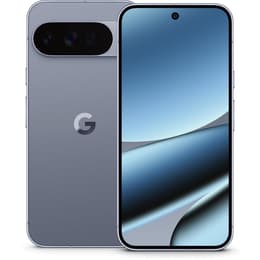
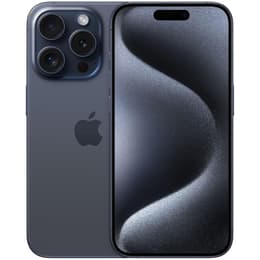
Google Pixel 10 Pro Vs iPhone 15 Pro
- 1-year minimum warranty
- Free delivery on all items
- Free 30-day returns
Differences at a glance
The Google Pixel 10 Pro (2025) and the iPhone 15 Pro (2023) represent two distinct approaches to high-end mobile technology, each offering advanced capabilities within a compact form factor. Running on Android and iOS respectively, these smartphones provide polished user environments paired with powerful processing hardware. While the iPhone 15 Pro established a refined standard with lightweight metal construction, the Google Pixel 10 Pro introduces later-generation hardware improvements and deep artificial intelligence integration to handle daily tasks smoothly.
Available Models
Colour
Storage
Scores
Durability
Both smartphones are built to handle years of daily usage, though their release timelines and support windows differ.
- Software support windows: Google provides extensive operating system and security updates for several years following release, aligning closely with Apple's traditional long-term support cycle for iOS devices.
- Build resilience: Each model incorporates hardened display glass and robust frame materials designed to withstand accidental drops and everyday wear.
- Expected lifespan: Solid internal configurations and efficient energy management ensure both devices will maintain reliable performance over extended multi-year ownership periods.
Year of Release
2025
2023
Compatible with latest Update
Yes
Yes
OS
Android
iOS
Foldable
No
No
Performance
Handling demanding applications and multitasking is straightforward on both devices, though they utilize different internal architectures.
- System responsiveness: Apps launch rapidly and switching between multiple open programs occurs without noticeable stutter on both platforms.
- Multitasking capacity: Generous memory allocations allow background tasks to stay active efficiently, helping users jump between work tools and media streaming effortlessly.
- Battery behavior: Typical daily use gets most users through a full cycle, though heavy gaming or prolonged video recording will require an afternoon recharge depending on usage intensity.
Screen quality
Visual output on both handsets emphasizes sharp detail, deep contrast levels, and smooth motion handling.
- Display technology: Both models use advanced organic light-emitting diode panels that produce vivid colors and true blacks for comfortable media viewing.
- Outdoor visibility: High maximum brightness levels ensure on-screen content remains legible even under direct sunlight.
- Motion smoothness: High refresh rate support allows scrolling through web pages and user interfaces to look fluid and natural.
Resolution
1280x2856
1179 x 2556
Screen type
LTPO OLED
LTPO Super Retina XDR OLED
Audiovisual
Capturing everyday memories and detailed video is well-supported by the multi-lens configurations on each device.
- Imaging capabilities: Both systems feature versatile primary and secondary lenses that perform reliably in various lighting conditions, producing clear details and balanced colors.
- Video recording: High-definition capture modes include stabilization features to keep moving footage steady and clear.
- Media consumption: Built-in stereo speakers deliver clear audio output for hands-free calls, casual video watching, and music playback.
Front camera
42 megapixels
12 megapixels
Miscellaneous
Practical daily usability is shaped by physical design choices and modern connectivity standards.
- Connectivity standards: Both devices support fast cellular networks, modern wireless local area standards, and accurate location tracking tools.
- Physical connectors: Universal USB port standards handle charging and wired data transfers on both models.
- Ergonomics: Comfortable dimensions and balanced weight distribution make one-handed operation manageable for most users.
Weight
207 g
187 g
Screen size (in)
6.3
6.1
Mobile network
5G
5G
SIM card
Physical SIM + eSIM
Physical SIM + eSIM
Carrier compatibility
Unlocked
Unlocked
Connector
USB-C
USB-C
What the community thinks
Choosing between these two smartphones depends heavily on personal software preferences and workflow habits. Users who prefer open customization and deep artificial intelligence integration often lean toward the Google Pixel 10 Pro, while those invested in the Apple ecosystem typically find the iPhone 15 Pro suits their daily routine better. For buyers exploring sustainable technology purchases, opting for a quality-assured refurbished option provides a practical way to acquire either device while supporting eco-friendly consumer habits. Ultimately, both models deliver reliable, high-tier performance suited to varied user needs without unnecessary complexity.