
Google Pixel 9 Pro XL Vs iPhone 16

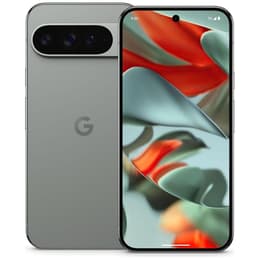
Google Pixel 9 Pro XL
Starting at

Refurbished price:£384.00

Versus £1,093.99 new

See options
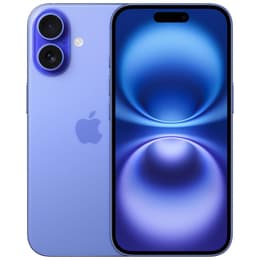
iPhone 16
iPhone 16
Starting at

Refurbished price:£475.00

Versus £699.00 new

See options

Ratings

The Google Pixel 9 Pro XL, released in August 2024, and the iPhone 16, launched in September 2024, represent the latest flagship smartphones from their respective manufacturers. While both devices offer advanced mobile experiences, they cater to different user preferences through their distinct operating systems and hardware philosophies. The Pixel 9 Pro XL operates on Android 15, emphasizing AI integration and a customizable interface, whereas the iPhone 16 runs on iOS 18, focusing on a streamlined user experience and tight ecosystem integration. Key differentiators include display technology, camera capabilities, and software support timelines.

Scores

Durability

When considering the longevity of these devices, both the Google Pixel 9 Pro XL and the iPhone 16 offer substantial software support and robust build quality, though with some differences in their approach.

  • Software Updates: The Google Pixel 9 Pro XL is notable for its commitment to seven years of operating system updates, extending its software lifespan significantly, with support planned until Android 22. The iPhone 16, while also receiving consistent iOS updates, typically offers support for approximately five to six years from its release, with iOS 26 already supported. [2, 3, 5, 16]
  • Physical Durability: The Pixel 9 Pro XL features Gorilla Glass Victus 2 for screen protection, contributing to its resistance against scratches and drops. Both devices carry an IP68 rating for dust and water resistance, indicating they can withstand submersion in water up to 6 meters for 30 minutes. [2, 5, 9]
  • Repairability: While specific repairability scores can vary, both manufacturers design their devices with certain repair considerations. Users can expect a practical lifespan influenced by both software support and physical resilience, with the Pixel offering a longer guaranteed software update period.

Year of Release

2024

2024

Compatible with latest Update

Yes

Yes

Foldable

No

No

Performance

The performance of the Google Pixel 9 Pro XL and the iPhone 16 is driven by their respective custom-designed processors, leading to distinct user experiences in handling applications and multitasking.

  • Processing Power: The Pixel 9 Pro XL is equipped with Google's Tensor G4 processor, designed to efficiently manage demanding applications, advanced AI features, and smooth multitasking. The iPhone 16 utilizes Apple's A18 chip, which provides substantial power for graphics-intensive tasks and ensures a fluid experience across iOS applications. [3, 5, 8, 11]
  • Multitasking and Responsiveness: With 16GB of RAM, the Pixel 9 Pro XL offers extensive capacity for running numerous applications simultaneously without slowdowns, making it well-suited for heavy multitasking. The iPhone 16, featuring 8GB of RAM, maintains strong performance and responsiveness within the iOS environment, optimized for efficient memory management. [2, 5]
  • Storage Options: Both devices offer a range of internal storage configurations to suit different user needs. The Pixel 9 Pro XL is available with options up to 1TB, while the iPhone 16 offers up to 512GB, providing ample space for apps, photos, and media. [3, 5, 6, 8, 12, 20]

Memory (GB)

16 GB

8 GB

Screen quality

The visual experience on the Google Pixel 9 Pro XL and the iPhone 16 is shaped by their display technologies, offering different characteristics for clarity, brightness, and smoothness.

  • Display Technology and Size: The Pixel 9 Pro XL features a larger 6.8-inch QHD+ LTPO OLED display, providing a spacious viewing area with sharp resolution and deep blacks. The iPhone 16 comes with a 6.1-inch Super Retina XDR OLED display, known for its vibrant colors and excellent contrast. [1, 2, 5, 6, 9]
  • Refresh Rate and Brightness: The Pixel 9 Pro XL's display offers an adaptive refresh rate ranging from 1Hz to 120Hz, contributing to smoother scrolling and more fluid animations, and boasts a peak brightness of 3000 nits for clear visibility in bright outdoor conditions. In contrast, the iPhone 16 features a 60Hz refresh rate, which provides a consistent visual experience, and offers strong brightness for various lighting environments. [2, 5, 9, 13, 16, 17]
  • Clarity and Viewing Experience: Both displays deliver high pixel densities, ensuring text and images appear crisp and detailed. The larger screen of the Pixel 9 Pro XL might appeal to users who prioritize immersive media consumption or productivity, while the iPhone 16's display offers a compact yet high-quality visual experience. [5, 6]

Resolution

1344 x 2992

1179 x 2556

Screen type

LTPO OLED

Super Retina XDR OLED

Audiovisual

Both the Google Pixel 9 Pro XL and the iPhone 16 are equipped with advanced camera systems, each designed to capture high-quality photos and videos with distinct strengths.

  • Rear Camera System: The Pixel 9 Pro XL features a versatile triple-camera setup, including a 50MP main sensor, a 48MP ultrawide lens, and a 48MP telephoto lens with up to 5x optical zoom, excelling in detail and color accuracy across various lighting conditions. The iPhone 16 includes a 48MP main camera and a 12MP ultrawide camera, known for its consistent image processing and reliable performance in everyday scenarios. [1, 5, 6, 8, 12, 13, 17, 18]
  • Front Camera and Video Capabilities: For selfies and video calls, the Pixel 9 Pro XL offers a high-resolution 42MP front camera, capturing detailed self-portraits. The iPhone 16 is equipped with a 12MP front camera that delivers clear and natural-looking images. Both devices are capable of recording high-quality video, with the Pixel offering brilliant video recording and the iPhone providing excellent video quality and features. [1, 5, 9, 16, 18]
  • Low-Light Performance and Features: The Pixel 9 Pro XL leverages its computational photography to enhance low-light photos and offers advanced AI editing tools. The iPhone 16 also performs well in challenging lighting, with its camera system optimized for capturing balanced exposures and accurate colors. [1, 7, 13, 17]

Main camera

50 megapixels

48 megapixels

Front camera

42 megapixels

12 megapixels

Miscellaneous

Beyond their core specifications, the Google Pixel 9 Pro XL and the iPhone 16 offer various practical features and design elements that influence daily usability and user preference.

  • Connectivity and Ports: Both smartphones support 5G connectivity and the latest Wi-Fi 7 standard for fast wireless communication. The Pixel 9 Pro XL features a USB-C port for charging and data transfer. The iPhone 16 also uses a USB-C port, though it operates at USB 2.0 speeds. [2, 4, 5]
  • Biometric Security and Design: The Pixel 9 Pro XL incorporates an ultrasonic under-display fingerprint scanner and face unlock for secure access. The iPhone 16 relies on Face ID for facial recognition. The Pixel 9 Pro XL has dimensions of 162.8 x 76.6 x 8.5mm and weighs around 221g, while the iPhone 16 is more compact at 147.6 × 71.6 × 7.8 mm and weighs 170g. [2, 5, 6, 9, 13]
  • Additional Features: The iPhone 16 introduces the Action Button and a new Camera Control button, offering customizable shortcuts and quick camera access. The Pixel 9 Pro XL integrates advanced AI features, including Gemini, enhancing various aspects of the user experience. [2, 7, 8, 11, 15]

Weight

221 g

170 g

Screen size (in)

6.8

6.1

Mobile network

5G

5G

SIM card

Physical SIM + eSIM

Physical SIM + eSIM

Carrier compatibility

Unlocked

Unlocked

Connector

USB-C

USB-C (USB 2)

User feedback for the Google Pixel 9 Pro XL often highlights its exceptional camera performance, particularly its ability to produce realistic color tones and detailed images, even from its ultrawide and telephoto lenses. Many users praise its bright and vivid display, along with a generally snappy and responsive user experience. Some users have noted its weight and size as a factor, while others appreciate the premium build and comfortable feel in hand. The extended software support is also a significant positive. [1, 9, 10, 13, 15, 18]

For the iPhone 16, common praise points include its robust build quality, consistent performance, and the significant camera improvements over older iPhone models, delivering bolder colors and sharper details. The inclusion of features like the Action Button and Dynamic Island are also frequently mentioned as enhancing the overall user experience. However, a recurring criticism among users is the 60Hz refresh rate of its display, which some find less fluid compared to competitors. Some users have also reported inconsistent battery life. [7, 14, 16, 17]

Users prioritizing a larger, high-refresh-rate display, extensive software support, and a versatile camera system with advanced AI features may find the Google Pixel 9 Pro XL well-suited to their needs. Conversely, users who prefer a more compact device, a streamlined operating system, and a strong ecosystem with reliable camera performance might lean towards the iPhone 16. Both devices offer compelling features for different user profiles, and considering a quality-assured refurbished option can be an eco-friendly alternative for either model.


See all articles

Our recent comparisons