
Smartphones
Compare models
Differences at a glance
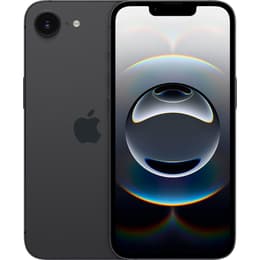
The Google Pixel 8 Pro, released in October 2023, and the iPhone 16E, introduced in February 2025, represent distinct approaches to the modern smartphone experience. While the Pixel 8 Pro offers a premium Android flagship experience with a focus on advanced computational photography and AI, the iPhone 16E provides a more accessible entry into Apple's ecosystem, featuring a newer processor and a compact design. Both devices operate on their respective proprietary operating systems, Android for the Pixel and iOS for the iPhone, each offering a unique user interface and app ecosystem.
Colour
Storage
When considering the long-term usability of these devices, their release timelines and software support policies are key factors. The Pixel 8 Pro, launched in late 2023, benefits from Google's commitment to extended software support, while the iPhone 16E, released in early 2025, offers a newer starting point for its lifecycle.
Year of Release
OS
Foldable
The performance of a smartphone is crucial for handling daily tasks, from browsing and messaging to demanding applications and gaming. Both the Pixel 8 Pro and iPhone 16E are equipped with capable processors designed to deliver a smooth user experience, though they approach performance from different architectural standpoints.
The display is a primary interface for smartphone interaction, and both the Pixel 8 Pro and iPhone 16E offer high-quality screens, though with distinct characteristics that cater to different viewing preferences and usage scenarios.
Resolution
Both the Google Pixel 8 Pro and the iPhone 16E are designed to capture high-quality images and videos, each leveraging their respective hardware and software strengths to deliver compelling photographic results.
Front camera
Beyond core specifications, several practical elements contribute to the overall user experience, including connectivity, physical design, and additional features that enhance daily interaction with the device.
Weight
Screen size (in)
Mobile network
SIM card
Carrier compatibility
Connector
The Google Pixel 8 Pro and iPhone 16E cater to users with differing priorities, reflecting their respective ecosystems and design philosophies. The Pixel 8 Pro, released in late 2023, is often praised for its exceptional camera capabilities, particularly its advanced computational photography features and AI integration that enhance user experience. Users frequently highlight its long-term software support commitment, ensuring the device remains current and secure for an extended period. Some common feedback points for the Pixel 8 Pro include its size, which some users find substantial, and its battery performance, which, while generally good, can vary with heavy use of its advanced features.
The iPhone 16E, launched in early 2025, garners positive attention for bringing a modern Apple experience into a more compact form factor. Users appreciate its newer processor, which delivers smooth performance, and the integration of Apple Intelligence for enhanced smart features. Its display, while not having the highest refresh rate, is noted for its clarity and color accuracy. Common discussions around the iPhone 16E often revolve around its 60Hz display, which some users accustomed to higher refresh rates might notice, and its camera system, which, while capable, offers a different set of features compared to Apple's Pro models or the Pixel's dedicated telephoto lens.
Users prioritizing a large, high-refresh-rate display, a dedicated telephoto camera with extensive zoom capabilities, and industry-leading software support may find the Google Pixel 8 Pro well-suited to their needs. Conversely, individuals who prefer a more compact device, a newer generation processor, and the seamless integration of the Apple ecosystem, including its intelligence features, may lean towards the iPhone 16E. Both devices offer a quality-assured refurbished option, providing an eco-friendly alternative for those seeking to make informed and sustainable choices.