
Smartphones
Compare models
Differences at a glance
The Google Pixel 7a, released in May 2023, and the iPhone 16E, introduced in early 2025, represent distinct approaches to smartphone design and functionality from their respective manufacturers. While the Pixel 7a operates on the Android platform, the iPhone 16E runs on Apple's iOS, offering users different software ecosystems. The primary differentiators between these two devices lie in their release timelines, core hardware advancements, and the user experiences shaped by their operating systems.
Colour
Storage
When considering the longevity of these devices, their release dates and software support policies are key factors. The Google Pixel 7a, launched in May 2023, is expected to receive operating system and security updates until at least May 2028, providing approximately five years of software support from its release. Its construction features a glass front with Corning Gorilla Glass 3, a glass back, and an aluminum frame, contributing to its physical resilience. It also carries an IP67 rating for dust and water resistance, meaning it can withstand submersion in up to one meter of water for 30 minutes.
In contrast, the iPhone 16E, released in early 2025, benefits from a more recent launch, which typically translates to a longer period of software support from Apple. iPhones generally receive major iOS updates for five to seven years, with security updates often extending even further. This suggests the iPhone 16E will likely receive updates well into the early 2030s. Its build includes a Ceramic Shield front and an aluminum case, offering enhanced durability and an IP68 rating for superior dust and water resistance, allowing for submersion in deeper water for longer durations.
Year of Release
OS
Foldable
The performance of a smartphone is largely determined by its internal components and how efficiently they handle various tasks. The Google Pixel 7a is equipped with the Google Tensor G2 processor, which provides smooth operation for everyday applications, multitasking, and can handle many demanding games. However, some users have noted that this processor can lead to the device running warmer under heavy load. The Pixel 7a comes with 8GB of RAM and 128GB of non-expandable internal storage.
The iPhone 16E, being a more recently released device, features Apple's A18 Bionic chip. This processor is designed to deliver high levels of performance and energy efficiency, ensuring a very responsive user experience across applications, from casual browsing to intensive gaming and advanced computational tasks. The iPhone 16E is also designed to support Apple's latest AI software, indicating its capability for advanced on-device processing. It typically offers various storage configurations, starting from 128GB or 256GB, but does not support expandable storage.
The visual experience on a smartphone is heavily influenced by its display technology and specifications. The Google Pixel 7a features a 6.1-inch OLED display with a Full HD+ resolution of 2400 x 1080 pixels, resulting in sharp images and text. It supports a 90Hz refresh rate, which contributes to smoother scrolling and more fluid animations compared to a standard 60Hz display. However, some users have reported that the refresh rate can occasionally drop to 60Hz in very bright outdoor conditions. The display also supports HDR for enhanced contrast and color.
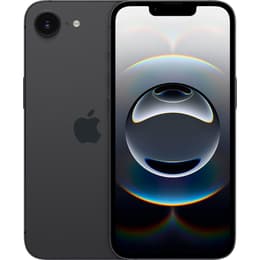
The iPhone 16E also comes with a 6.1-inch XDR OLED display, providing deep blacks and vibrant colors. Its display offers a maximum brightness of 800 nits, which is suitable for outdoor visibility. While some sources suggest a 90Hz refresh rate, it's important to note that Apple often reserves higher refresh rates for its Pro models, so it might be 60Hz or 90Hz depending on the specific configuration. Unlike the more premium iPhone models, the 16E retains a traditional notch design rather than the Dynamic Island.
Resolution
The camera systems on both the Google Pixel 7a and the iPhone 16E are designed to capture quality images, though they approach this with different hardware and software philosophies. The Pixel 7a features a dual-camera setup on the rear, consisting of a 64-megapixel main sensor with optical image stabilization (OIS) and a 13-megapixel ultrawide lens. Its front-facing camera is 13-megapixels. Pixel phones are well-regarded for their computational photography, which enhances image quality, particularly in challenging lighting conditions like low light. It supports 4K video recording at 30 or 60 frames per second.
The iPhone 16E, in contrast, features a single 48-megapixel wide-angle main camera on its rear. It does not include a dedicated ultrawide or telephoto lens, relying on its main sensor and software for zoom capabilities. The front camera is a 12-megapixel sensor, similar to those found in previous iPhone models. Apple's camera systems are known for their consistent image processing and video recording capabilities, with the 16E also benefiting from the latest iOS software for photo and video enhancements.
Front camera
Beyond core performance and display, several practical elements contribute to the overall user experience. The Google Pixel 7a offers modern connectivity options, including 5G, Wi-Fi 6E, and Bluetooth 5.3. It features a USB-C 3.2 port for charging and data transfer. For security, it includes an under-display fingerprint sensor. The device has stereo speakers but lacks a traditional headphone jack. Its dimensions are 152 mm in height, 72.9 mm in width, and 9 mm in depth, weighing 193.5 grams, making it a relatively compact and manageable device.
The iPhone 16E also supports 5G connectivity and is expected to feature advanced Wi-Fi standards typical of its release year. It utilizes a USB-C charging port, aligning with current industry trends. For biometric security, the iPhone 16E relies on Face ID. A notable feature is a dedicated button, similar to the Action Button on other iPhone models, which can be customized for various functions. The iPhone 16E does not include MagSafe for magnetic accessories and charging. Its design incorporates a Ceramic Shield front and an aluminum case, contributing to its robust feel.
Weight
Screen size (in)
Mobile network
SIM card
Carrier compatibility
The Google Pixel 7a and iPhone 16E cater to users with differing priorities, largely influenced by their operating systems and release timelines. Users often praise the Pixel 7a for its strong camera performance, particularly its computational photography capabilities that deliver impressive results in various conditions. Its clean Android experience and timely software updates are also frequently highlighted. However, some users have noted concerns regarding its battery charging speeds and the occasional thermal management under heavy use.
The iPhone 16E, despite being a more recent release, is often seen as a solid entry point into the Apple ecosystem, offering a balance of modern features and Apple's renowned software longevity. Users appreciate its robust performance, extended software support, and the reliability of its camera system, even with a single lens. Criticisms sometimes point to the absence of features found in higher-tier iPhones, such as the Dynamic Island, MagSafe, or a more versatile multi-lens camera setup.
Users prioritizing a strong Android experience with excellent computational photography and a device that is still well-supported for several years may find the Pixel 7a well-suited to their needs. Conversely, those who value Apple's ecosystem, extended software support, and a device with a more recent processor for long-term performance, even with some feature compromises, may lean towards the iPhone 16E. Both devices offer compelling features, and for those looking for a more sustainable choice, considering a quality-assured refurbished option for either model can provide an eco-friendly alternative.