
Samsung
Compare models
Differences at a glance
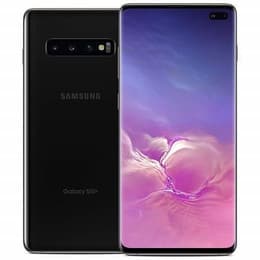
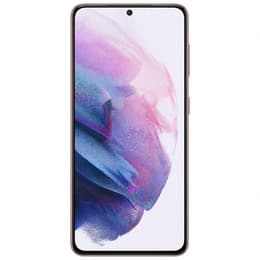
The Samsung Galaxy S10 Plus, released in 2019, and the Galaxy S21 5G, launched in 2021, represent two distinct eras of Samsung's flagship smartphone development. While the S10 Plus was the pinnacle of the traditional flagship design with its curved glass and legacy ports, the S21 5G moved toward a more streamlined, performance-oriented approach. Both devices run on the Android operating system, though they sit at very different stages of their software lifecycles.
The primary differences between these two models lie in their display technology, network connectivity, and the inclusion of hardware features like expandable storage and headphone jacks. This comparison explores how these two generations handle modern tasks and which user profiles are best served by each device's specific strengths.
Colour
Storage
When evaluating how long these devices will remain functional and secure, the two-year age gap creates a significant divide in software longevity and hardware resilience.
Year of Release
Compatible with latest Update
OS
Foldable
Performance differences are most noticeable when running demanding applications or multitasking between several heavy tools, where the newer internal hardware of the S21 5G takes the lead.
The viewing experience on these devices involves a trade-off between the absolute sharpness of the older model and the fluid motion of the newer one.
Resolution
Screen type
Both smartphones feature versatile triple-lens camera systems, but the S21 5G introduces several software and hardware refinements for better photography and video.
Main camera
Front camera
Practical daily usage is often determined by connectivity standards and the physical ports available on the device, where these two models differ greatly.
Weight
Screen size (in)
Mobile network
SIM card
Carrier compatibility
In summary, the choice between the Galaxy S10 Plus and the Galaxy S21 5G depends largely on whether a user prioritises legacy hardware features or modern performance standards. Based on user discussions on platforms like Reddit, the S10 Plus remains a favourite for those who value the headphone jack, expandable storage, and the higher-resolution curved display. However, many users note that the S10 Plus battery life and software speed have begun to show their age in recent years.
Conversely, the Galaxy S21 5G is frequently praised for its 120Hz refresh rate, which makes the entire phone feel significantly faster, and its 5G capabilities which ensure it remains compatible with the latest network speeds. Some users do express disappointment over the move to a plastic back and the removal of the SD card slot, but generally agree that the improved camera and longer software support make it a more practical choice for the future.
Users who still rely on wired accessories and need vast amounts of local storage for media may find the S10 Plus better suited to their specific needs. Meanwhile, professionals and students who require a fast, reliable device for the next several years will likely prefer the S21 5G. Choosing a quality-assured refurbished option for either model is a sustainable choice that helps reduce electronic waste while providing a reliable mobile experience. Ultimately, the S21 5G offers a more current experience, while the S10 Plus serves as a capable alternative for those with specific hardware preferences.