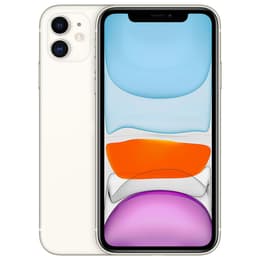

Compare models
Galaxy S10+ Vs iPhone 11
- 1-year minimum warranty
- Free delivery on all items
- Free 30-day returns
Differences at a glance
The Samsung Galaxy S10 Plus and the iPhone 11, both released in 2019, represent two distinct philosophies in smartphone design from that era. The Galaxy S10 Plus was Samsung’s flagship offering, focusing on a high-resolution display and a versatile multi-camera system, while the iPhone 11 served as Apple’s mainstream model, prioritising consistent performance and long-term software reliability. Operating on Android and iOS respectively, these devices offer different ecosystems that cater to varying user preferences. This comparison explores how each smartphone handles daily tasks, longevity, and media consumption to help you decide which fits your lifestyle.
Available Models
Colour
Storage (GB)
Scores
Durability
The longevity of a smartphone is often determined by its build quality and how long the manufacturer provides software support for the device.
- Software Longevity: The iPhone 11 offers a longer software support window, as it continues to receive the latest iOS updates, whereas the Galaxy S10 Plus has reached the end of its official Android version update cycle.
- Physical Durability: Both devices feature glass front and back panels with metal frames, requiring careful handling or a protective case to prevent damage from accidental drops.
- Repairability: The Galaxy S10 Plus offers a more modular internal design for certain components, though the curved screen can make display repairs more complex compared to the flat screen of the iPhone 11.
Year of Release
2019
2019
Compatible with latest Update
No
Yes
OS
Android
iOS
Foldable
No
No
Performance
Performance in these devices is defined by how smoothly they handle multitasking and demanding applications during everyday usage.
- System Responsiveness: The iPhone 11 provides a fluid user experience with quick app launches and smooth animations, benefiting from tight integration between its hardware and software.
- Multitasking Capabilities: With more temporary memory, the Galaxy S10 Plus is well-suited for users who frequently switch between many open apps without experiencing frequent reloads.
- Battery Management: The iPhone 11 is known for its efficient power usage during daily tasks, while choosing a quality-assured refurbished option can also ensure the battery has been tested for optimal health.
Screen quality
The viewing experience differs greatly between these two models due to the underlying display technologies used for their screens.
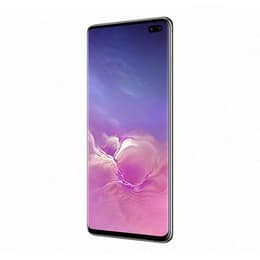
- Display Technology: The organic light-emitting diode (OLED) panel on the Galaxy S10 Plus allows for individual pixels to turn off completely, resulting in high contrast that is particularly noticeable when watching videos.
- Resolution and Clarity: The Galaxy S10 Plus offers a much higher pixel density, providing sharper text and finer details compared to the more standard resolution of the liquid crystal display (LCD) on the iPhone 11.
- Outdoor Visibility: Both screens reach sufficient brightness for outdoor use, though the Galaxy S10 Plus has a slight edge in peak brightness for viewing content under direct sunlight.
Resolution
1440 x 3040
828 x 1792
Screen type
Dynamic AMOLED
Liquid Retina IPS LCD
Audiovisual
Photography enthusiasts will find different strengths in each device's camera array, ranging from lens versatility to video stabilisation.
- Versatility: The inclusion of a telephoto lens gives the Galaxy S10 Plus more flexibility for portraits and distant shots, whereas the iPhone 11 relies on digital cropping for zoomed images.
- Video Quality: The iPhone 11 is widely regarded for its smooth video stabilisation and natural skin tones, making it a preferred choice for users who record a lot of handheld footage.
- Low-Light Performance: Both devices feature dedicated modes for night photography, with the iPhone 11 often producing balanced exposures and the Galaxy S10 Plus offering more manual control for advanced users.
Main camera
12 megapixels
12 megapixels
Front camera
10 megapixels
12 megapixels
Miscellaneous
Practical features like connectivity and biometric security play a large role in the daily user experience and overall convenience.
- Biometric Security: The iPhone 11 uses facial recognition for secure unlocking, which is highly reliable in most lighting, while the Galaxy S10 Plus features a fingerprint sensor built directly into the screen.
- Connectivity and Ports: The Galaxy S10 Plus includes a 3.5mm headphone jack and a USB-C port, whereas the iPhone 11 uses a proprietary connector and requires adapters for wired audio.
- Storage Flexibility: Users can easily increase the storage capacity of the Galaxy S10 Plus with a memory card, while the iPhone 11 is limited to the internal storage capacity chosen at the time of manufacture.
Weight
175 g
194 g
Screen size (in)
6.4
6.1
Mobile network
4G
4G
SIM card
Physical SIM
Physical SIM + eSIM
Carrier compatibility
Unlocked
Unlocked
Connector
USB-C + Jack 3.5mm
Lightning
What the community thinks
In summary, the choice between the Galaxy S10 Plus and the iPhone 11 depends largely on your priorities regarding display quality, software longevity, and hardware features. Based on user feedback from various tech communities, the Galaxy S10 Plus is frequently praised for its vibrant AMOLED screen and the convenience of its headphone jack and expandable storage. However, some users note that its battery life can diminish over time and software updates have slowed down. The iPhone 11 is often commended for its reliability, consistent camera performance, and the fact that it still feels fast years after its release, though some users find the LCD screen less impressive than modern alternatives.
Users who prioritise a cinematic media experience and want the flexibility of expandable storage will likely find the Galaxy S10 Plus to be the better fit. On the other hand, users who value a device that will receive software updates for several more years and offers a simple, reliable user interface should lean toward the iPhone 11. Selecting these devices as a sustainable choice through refurbishment helps reduce electronic waste while providing a reliable smartphone experience. Both phones remain capable devices for everyday tasks, and your decision should reflect whether you value hardware versatility or long-term software support.