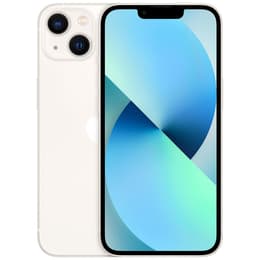

Galaxy S10+ Vs iPhone 13

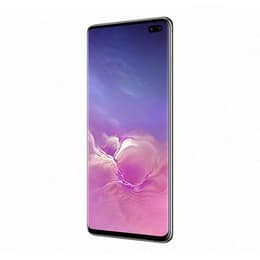
Galaxy S10+
Galaxy S10+
Starting at

Refurbished price:£115.32

Versus £330.00 new

See options
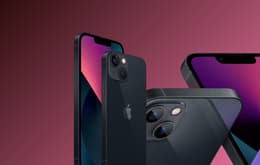
iPhone 13
iPhone 13
Starting at

Refurbished price:£204.00

Versus £599.00 new

See options

Ratings

The Samsung Galaxy S10 Plus, launched in 2019, and the Apple iPhone 13, released in 2021, represent two distinct generations of smartphone innovation. While the Galaxy S10 Plus was a flagship that pushed the boundaries of screen-to-body ratios and multi-lens photography at its launch, the iPhone 13 arrived two years later with a focus on refined processing power and advanced video capabilities. These devices operate on different platforms—Android and iOS—offering users a choice between Samsung's customisable interface and Apple's integrated ecosystem.

The primary differences between these two models lie in their age, software longevity, and physical design. The Galaxy S10 Plus features a larger, curved display and legacy ports, whereas the iPhone 13 prioritises a more compact, flat-edged design with significantly newer internal hardware. Understanding these practical differences is essential for users deciding which device better fits their daily routine and long-term needs.

Scores

Durability

When evaluating how long these devices will remain functional and secure, the two-year age gap between them plays a significant role in software support and hardware resilience.

  • Software Longevity: The iPhone 13, being a newer release, is expected to receive official operating system updates and security patches for several more years, likely until the late 2020s. In contrast, the Galaxy S10 Plus has reached the end of its major Android update cycle, meaning it will no longer receive the latest features or regular security enhancements, which may impact its long-term utility for security-conscious users.
  • Physical Durability: The iPhone 13 features a Ceramic Shield front cover, which provides increased protection against accidental drops compared to the standard glass used on the Galaxy S10 Plus. Both devices carry an IP68 rating for dust and water resistance, ensuring they can withstand minor spills and environmental exposure during typical daily use.
  • Sustainability: Choosing a quality-assured refurbished option for either model is an eco-friendly alternative that extends the lifecycle of existing hardware. While the iPhone 13 offers a longer remaining software life, the Galaxy S10 Plus remains a functional choice for users with simpler requirements who wish to reduce their environmental footprint.

Year of Release

2019

2021

Compatible with latest Update

No

Yes

OS

Android

iOS

Foldable

No

No

Performance

Performance differences between these two smartphones are most noticeable when running demanding applications or multitasking between several resource-heavy tasks.

  • System Responsiveness: The iPhone 13 benefits from more modern internal architecture, allowing it to handle intensive gaming, high-resolution video editing, and rapid app switching with greater ease than the older Galaxy S10 Plus. Users will notice that the iPhone 13 remains fluid and responsive even as apps become more demanding over time, whereas the Galaxy S10 Plus may show signs of slowing down during heavy use.
  • Storage and Memory: The Galaxy S10 Plus offers a practical advantage for media-heavy users with its inclusion of a microSD card slot, allowing for easy storage expansion. The iPhone 13 relies on fixed internal storage, meaning users must decide on their capacity needs at the time of purchase without the option to add more physical space later.
  • Battery Efficiency: While the Galaxy S10 Plus has a physically larger battery, the iPhone 13 uses more efficient hardware and software integration to provide consistent battery life throughout a full day of typical use. Heavy users may find the iPhone 13 more reliable for long days away from a charger due to its optimised power management.

Memory (GB)

8 GB

4 GB

Screen quality

Both devices feature high-quality OLED technology, but they offer very different visual experiences in terms of size, shape, and clarity.

  • Display Design and Size: The Galaxy S10 Plus features a 6.4-inch display with curved edges that wrap slightly around the sides of the device, providing an immersive viewing experience for movies and photos. The iPhone 13 uses a smaller 6.1-inch flat display, which some users find more practical for typing and avoiding accidental touches near the edges of the screen.
  • Visual Clarity and Brightness: The Galaxy S10 Plus boasts a higher maximum resolution, offering incredibly sharp details for close-up viewing. However, the iPhone 13 provides higher peak brightness levels, making the screen significantly easier to read when used outdoors under direct sunlight or in very bright environments.
  • Viewing Experience: Both screens offer vibrant colours and deep blacks characteristic of OLED technology. The Galaxy S10 Plus uses a small "hole-punch" cutout for the front cameras, while the iPhone 13 features a traditional notch at the top of the display, which may influence how users perceive the available screen real estate during full-screen media playback.

Resolution

1440 x 3040

1170 x 2532

Screen type

Dynamic AMOLED

Super Retina XDR OLED

Audiovisual

The camera systems on these devices reflect the different priorities of their respective manufacturers, with one focusing on versatility and the other on processing quality.

  • Lens Versatility: The Galaxy S10 Plus includes a triple-camera array featuring a dedicated telephoto lens for optical zoom, a wide lens, and an ultra-wide lens. This gives users more flexibility when trying to capture distant subjects. The iPhone 13 has a dual-camera system that lacks a dedicated zoom lens but excels in capturing wide-angle landscapes and standard daily photos.
  • Video and Low Light: The iPhone 13 is widely recognised for its smooth video recording and advanced computational photography, which helps produce clear, balanced images in low-light settings. Its video stabilisation is particularly effective for users who record frequently while moving, providing a more professional look to handheld footage.
  • Audio and Media: Both smartphones are equipped with stereo speakers that provide a clear and balanced audio experience for watching videos or taking calls on speakerphone. The Galaxy S10 Plus also includes a traditional 3.5mm headphone jack, a feature absent on the iPhone 13, which requires a lightning adapter or wireless headphones for private listening.

Main camera

12 megapixels

12 megapixels

Front camera

10 megapixels

12 megapixels

Miscellaneous

Practical features such as connectivity and biometric security often determine how seamlessly a device integrates into a user's daily life.

  • Connectivity Standards: The iPhone 13 supports 5G networks, allowing for faster data speeds and better performance in crowded areas where 5G infrastructure is available. The standard Galaxy S10 Plus is limited to 4G LTE networks, which, while still reliable for most tasks, may feel slower when downloading large files or streaming high-definition content on the go.
  • Biometric Security: Samsung utilises an ultrasonic fingerprint sensor embedded under the display glass, allowing for quick unlocking even if fingers are slightly damp. Apple employs Face ID, which uses facial recognition sensors to unlock the device securely, a method that many users find more convenient for hands-free access.
  • Physical Handling: The Galaxy S10 Plus is slightly taller but narrower than the iPhone 13, and its curved design can make it feel thinner in the hand. The iPhone 13 has a more industrial, squared-off aesthetic that provides a more secure grip for some users, though its slightly heavier build is noticeable during extended periods of one-handed use.

Weight

175 g

173 g

Screen size (in)

6.4

6.1

Mobile network

4G

5G

SIM card

Dual Physical SIM

Physical SIM + eSIM

Carrier compatibility

Unlocked

Unlocked

Choosing between the Galaxy S10 Plus and the iPhone 13 involves balancing the desire for modern performance against the need for specific legacy features. User consensus on platforms like Reddit suggests that the Galaxy S10 Plus is still cherished for its expansive, high-resolution display and the inclusion of the headphone jack and expandable storage. However, many users note that its ageing battery and lack of recent software updates make it less ideal for those who want a device to last several more years without maintenance.

The iPhone 13 receives frequent praise for its exceptional battery life, consistent camera performance, and the longevity provided by Apple's long-term software support. While some users miss the flexibility of Android or the higher resolution of the Samsung screen, the general consensus is that the iPhone 13 offers a more reliable and future-ready experience for the average consumer.

Users who prioritise a large, curved screen for media consumption and require a headphone jack or expandable storage may find the Galaxy S10 Plus suits their specific needs. Conversely, users who prioritise 5G connectivity, long-term software updates, and superior video recording will likely find the iPhone 13 to be the more suitable choice. For those looking to make a sustainable choice, a quality-assured refurbished option provides a reliable way to access these technologies while supporting a circular economy. Ultimately, both devices remain capable tools, with the iPhone 13 leaning toward longevity and the Galaxy S10 Plus toward versatile hardware features.
See all articles

Our recent comparisons