
Galaxy S10+ Vs iPhone SE (2020)

Galaxy S10+
Galaxy S10+
Starting at

Refurbished price:£115.32

Versus £330.00 new

See options
iPhone SE (2020)
iPhone SE (2020)
Starting at

Refurbished price:£67.00

Versus £289.00 new

See options

Ratings

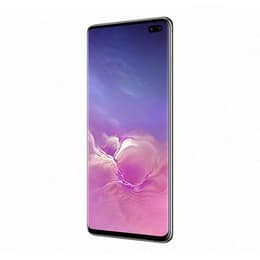
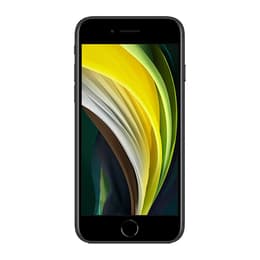
The Samsung Galaxy S10 Plus, released in early 2019, and the Apple iPhone SE (2nd Generation), launched in 2020, represent two distinct philosophies in smartphone design. While the Galaxy S10 Plus was engineered as a large-format flagship with an expansive feature set, the iPhone SE 2020 was designed as a compact, familiar device that prioritises portability and ease of use. These devices cater to different user preferences, particularly regarding physical size and the choice between the Android and iOS ecosystems.

The primary differentiator between these two models is their physical footprint and display technology, with the Samsung offering a nearly borderless viewing experience compared to the iPhone's traditional design with physical borders. Furthermore, the software experience differs significantly, as the Galaxy S10 Plus runs on Samsung's custom Android interface, while the iPhone SE 2020 utilises Apple's streamlined iOS, which is known for its consistent update cycle and integration with other Apple services.

Scores

Durability

When evaluating the longevity of these two devices, the primary considerations are the software support timelines and the physical resilience of their respective designs.

  • Software Support Longevity: The iPhone SE 2020 generally benefits from a longer software lifecycle, as Apple typically provides operating system updates for many years after a device's release. In contrast, the Galaxy S10 Plus has reached the end of its major Android version update cycle, though it may still receive occasional security patches. Users who prioritise having the latest software features and security protocols for the longest possible duration may find the iPhone more aligned with their needs.
  • Physical Build and Repairability: The Galaxy S10 Plus features a glass-heavy design with curved edges, which can be more susceptible to impact damage if not protected. The iPhone SE 2020 uses a more traditional aluminium and glass structure that is widely regarded as sturdy. From a repair perspective, the iPhone's simpler internal layout often makes screen and battery replacements more straightforward for technicians compared to the more complex assembly of the Samsung flagship.
  • Practical Lifespan: Both devices are built to high standards, but the iPhone SE 2020 is likely to remain compatible with modern applications for a longer period due to its newer internal architecture and continued software support. The Galaxy S10 Plus remains a capable device for daily tasks, but users might notice some limitations as newer apps become more demanding over time.

Year of Release

2019

2020

Compatible with latest Update

No

Yes

OS

Android

iOS

Foldable

No

No

Performance

Performance on these devices is shaped by how they handle multitasking, app loading speeds, and battery endurance during a typical day of use.

  • System Responsiveness and Multitasking: The Galaxy S10 Plus was designed with high-capacity memory, allowing it to keep multiple demanding applications open in the background without slowing down. This makes it well-suited for users who frequently switch between work tools, social media, and media players. The iPhone SE 2020, while having less memory on paper, benefits from highly efficient software integration that ensures the interface remains fluid and responsive during everyday navigation and single-app usage.
  • Processing Power for Demanding Tasks: Both smartphones handle standard activities like web browsing, video streaming, and light gaming with ease. The iPhone SE 2020 contains internal hardware that was very advanced for its release year, ensuring that it can run modern games and photo editing apps without significant lag. The Galaxy S10 Plus remains a reliable performer for productivity, though it may show slightly more heat during intensive gaming sessions compared to the more efficient iPhone.
  • Battery Behaviour and Endurance: The Galaxy S10 Plus features a significantly larger battery capacity, which typically allows it to last through a full day of moderate to heavy use. The iPhone SE 2020 has a much smaller battery due to its compact size, meaning that power users may find themselves needing to recharge by the late afternoon. For those who are frequently away from a power source, the Samsung offers more consistent endurance.

Memory (GB)

8 GB

3 GB

Screen quality

The viewing experience is perhaps the most immediate difference between these two smartphones, affecting everything from reading text to watching films.

  • Display Technology and Visuals: The Galaxy S10 Plus utilises an advanced OLED panel, which provides deep blacks and vibrant colours because each pixel generates its own light. This results in a high-contrast image that is particularly noticeable when watching high-definition video. The iPhone SE 2020 uses a traditional LCD screen, which relies on a backlight. While it produces natural and accurate colours, it cannot achieve the same level of contrast or true black levels as the Samsung display.
  • Resolution and Clarity: With a much higher pixel density, the Galaxy S10 Plus offers sharper text and finer details, which is beneficial for users who spend a lot of time reading long articles or viewing high-resolution photographs. The iPhone SE 2020 has a lower resolution that is appropriate for its smaller screen size, providing clear enough visuals for standard tasks, though the difference in sharpness is apparent when placed side-by-side with the Samsung.
  • Outdoor Visibility and Size: The Samsung screen can reach higher brightness levels, making it easier to see under direct sunlight. Additionally, the 6.4-inch display provides a much larger canvas for media consumption compared to the 4.7-inch screen of the iPhone. Users who prioritise a cinematic experience or need more space for on-screen controls will prefer the Samsung, while those who want a screen they can easily reach across with one thumb will appreciate the iPhone's dimensions.

Resolution

1440 x 3040

750 x 1334

Screen type

Dynamic AMOLED

Retina IPS LCD

Audiovisual

Photography and video capabilities differ significantly in terms of versatility and processing style between these two models.

  • Camera Versatility: The Galaxy S10 Plus features a triple-lens rear system, including a standard wide lens, an ultra-wide lens for landscapes, and a telephoto lens for zooming in on distant subjects. This variety allows for more creative flexibility in different environments. The iPhone SE 2020 has a single rear camera, which simplifies the shooting experience but lacks the ability to zoom optically or capture wide-angle vistas without moving physically.
  • Image Quality and Processing: In daylight, both cameras produce clear and detailed images. Samsung tends to favour slightly more saturated colours and aggressive sharpening, which many users find appealing for social media. Apple's processing focuses on natural skin tones and a balanced dynamic range, often resulting in photos that look more true-to-life. In low-light conditions, the Galaxy S10 Plus generally performs better due to its dedicated night mode and larger sensors.
  • Video and Audio Capture: The iPhone SE 2020 is highly regarded for its video stability and smooth frame rates, making it a reliable choice for quick clips and social stories. The Galaxy S10 Plus also offers excellent video quality with plenty of manual controls for those who like to tweak settings. Both devices feature stereo speakers, but the Samsung's larger body allows for a slightly fuller sound profile with more noticeable bass during media playback.

Main camera

12 megapixels

12 megapixels

Front camera

10 megapixels

7 megapixels

Miscellaneous

Beyond the core specifications, several practical features influence the daily handling and utility of these smartphones.

  • Biometrics and Security: The Galaxy S10 Plus uses an ultrasonic fingerprint sensor embedded directly under the display, allowing for a modern look while maintaining security. The iPhone SE 2020 retains the classic Home button with a physical fingerprint sensor, which many users find more tactile and reliable for quick unlocking. Both systems are secure, but the preference depends on whether a user likes a physical button or an invisible sensor.
  • Connectivity and Ports: The Galaxy S10 Plus includes a traditional headphone jack, a feature that is increasingly rare, allowing users to connect wired audio equipment without adapters. It also uses a USB-C port for charging and data transfer. The iPhone SE 2020 uses Apple's proprietary Lightning port and does not have a headphone jack, requiring wireless headphones or a dongle for wired connections.
  • Physical Dimensions and Handling: The iPhone SE 2020 is one of the smallest and lightest smartphones available from its era, making it exceptionally easy to use with one hand and comfortable in small pockets. The Galaxy S10 Plus is considerably larger and heavier, which provides more screen space but usually requires two-handed operation for most tasks. The Samsung also features a microSD card slot for expandable storage, a feature absent on the iPhone.

Weight

175 g

148 g

Screen size (in)

6.4

4.7

Mobile network

4G

4G

SIM card

Dual Physical SIM

Physical SIM + eSIM

Carrier compatibility

Unlocked

Unlocked

In summary, the choice between the Galaxy S10 Plus and the iPhone SE 2020 depends largely on a user's priorities regarding screen size, software ecosystem, and physical handling. Based on community discussions and user feedback, the Galaxy S10 Plus is frequently praised for its stunning display, versatile camera system, and the inclusion of the headphone jack. However, some users note that its larger size can be cumbersome and that Android updates are less frequent than they would like. On the other hand, the iPhone SE 2020 is lauded for its compact form factor, powerful internal performance, and the longevity of iOS updates, though its small battery and dated design are common points of criticism.

Users who prioritise media consumption, multitasking, and photography versatility will likely find the Galaxy S10 Plus better suited to their lifestyle. Conversely, users who value simplicity, long-term software support, and a device that is easy to operate with one hand will lean toward the iPhone SE 2020. Choosing a quality-assured refurbished option allows users to access these flagship features while supporting a circular economy. Both devices remain viable as eco-friendly alternatives for those looking to reduce their environmental footprint while obtaining a reliable smartphone. Ultimately, both models offer a high-quality experience that remains relevant for modern mobile needs.

See all articles

Our recent comparisons