Google Pixel 6 Vs Sony Xperia 5 IV

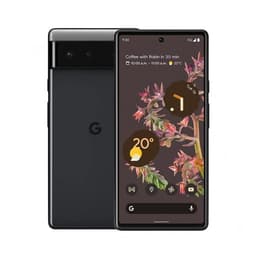
Google Pixel 6
Google Pixel 6
Starting at

Refurbished price:£101.00

Versus £649.99 new

See options
Sony Xperia 5 IV
Sony Xperia 5 IV
Starting at

Refurbished price:£299.00

Versus £1,199.00 new

See options

Ratings

The Google Pixel 6, released in October 2021, and the Sony Xperia 5 IV, launched in September 2022, are both Android smartphones offering distinct user experiences. While the Pixel 6 emphasizes computational photography and a streamlined software experience, the Xperia 5 IV focuses on a compact design, multimedia capabilities, and a versatile camera system. Both devices run on the Android operating system, providing access to a wide ecosystem of applications and services.

Scores

Durability

When considering the long-term usability of these devices, several factors contribute to their expected lifespan.

  • Release Timeline and Software Support: The Google Pixel 6, released in October 2021, typically receives three years of major Android operating system updates and five years of security updates from its launch date. The Sony Xperia 5 IV, launched in September 2022, generally receives two years of OS updates and three years of security updates. This means the Pixel 6 is expected to receive software support for a longer duration, potentially extending its practical usability.
  • Physical Durability: Both devices feature robust construction. The Pixel 6 uses Corning Gorilla Glass Victus on the front and Gorilla Glass 6 on the back, while the Xperia 5 IV features Gorilla Glass Victus on both its front and back panels. Both phones also carry an IP68 rating for dust and water resistance, indicating protection against immersion in water.
  • Repairability: While specific repairability scores can vary, both devices are designed with modern smartphone construction, which can present challenges for user-level repairs. Professional repair services are generally recommended for both models.

Year of Release

2021

2022

Compatible with latest Update

Yes

No

OS

Android

Android

Foldable

No

No

Performance

The performance of a smartphone is crucial for daily tasks, from browsing to demanding applications.

  • Processing Power: The Google Pixel 6 is equipped with Google's custom-designed processor, which is optimized for artificial intelligence and machine learning tasks, contributing to features like advanced photography and voice recognition. The Sony Xperia 5 IV utilizes a current-generation processor known for its strong performance in gaming and intensive applications. Both processors handle everyday apps and multitasking smoothly.
  • Battery Behavior: The Pixel 6 houses a 4614 mAh battery, while the Xperia 5 IV features a larger 5000 mAh battery. User experiences suggest that the Xperia 5 IV's larger battery capacity, combined with its slightly smaller screen, often translates to extended usage times for many users. Both devices support fast charging and wireless charging.
  • Storage and Responsiveness: Both models offer 8GB of RAM and come with 128GB or 256GB internal storage options. The Xperia 5 IV also includes a microSD card slot for expandable storage, a feature not present on the Pixel 6. This can be a significant advantage for users who require more space for media or applications.

Memory (GB)

8 GB

8 GB

Screen quality

The display is a primary interface for any smartphone, influencing the visual experience.

  • Display Technology and Resolution: Both the Google Pixel 6 and the Sony Xperia 5 IV feature OLED displays, known for their deep blacks and vibrant colors. The Pixel 6 has a 6.4-inch FHD+ (1080 x 2400 pixels) display, while the Xperia 5 IV offers a 6.1-inch FHD+ (1080 x 2520 pixels) display.
  • Refresh Rate and Smoothness: The Pixel 6 features a 90Hz refresh rate, providing a smoother scrolling experience than standard 60Hz displays. The Xperia 5 IV steps this up with a 120Hz refresh rate, offering even more fluid motion, particularly noticeable in fast-paced content and gaming.
  • Screen Size and Aspect Ratio: The Pixel 6 has a more traditional 20:9 aspect ratio, while the Xperia 5 IV features a taller and narrower 21:9 CinemaWide aspect ratio. This makes the Xperia 5 IV more compact and potentially easier for one-handed use, while the Pixel 6 offers a slightly larger overall viewing area. The Xperia 5 IV's display is also noted to be brighter than its predecessor, improving outdoor visibility.

Resolution

1080 x 2400

1080 x 2520

Screen type

AMOLED

OLED

Audiovisual

Both smartphones offer capable camera systems, though with different approaches to photography.

  • Rear Camera Systems: The Google Pixel 6 features a dual-camera setup with a 50-megapixel main sensor and a 12-megapixel ultrawide lens. It is well-regarded for its computational photography, producing detailed images with accurate colors and strong low-light performance. The Sony Xperia 5 IV boasts a triple-camera system, including a 12-megapixel main lens, a 12-megapixel ultrawide lens, and a 12-megapixel telephoto lens with 2.5x optical zoom. This dedicated telephoto lens provides greater versatility for capturing distant subjects without significant loss of detail.
  • Video Recording and Features: Both devices are capable of recording 4K video. The Pixel 6 offers features like Magic Eraser and Motion Mode, leveraging its processor for unique photo and video effects. The Xperia 5 IV emphasizes professional-grade video recording features, including Photography Pro and Cinematography Pro modes, offering more manual controls for creators.
  • Front Camera and Audio: The Pixel 6 has an 8-megapixel front camera, while the Xperia 5 IV features a 12-megapixel front camera. For audio, the Xperia 5 IV includes a 3.5mm headphone jack and full-stage stereo speakers, catering to users who prefer wired audio or a more immersive sound experience directly from the device. The Pixel 6 relies on its USB-C port for wired audio and features stereo speakers.

Main camera

50 megapixels

12 megapixels

Front camera

8 megapixels

12 megapixels

Miscellaneous

Beyond core features, several practical elements differentiate these two smartphones.

  • Connectivity: Both devices support 5G connectivity, Wi-Fi 6 (802.11ax), and Bluetooth 5.2, ensuring fast and reliable wireless communication. The Pixel 6 also supports Wi-Fi 6E.
  • Ports and Sensors: The Pixel 6 features a USB-C port for charging and data transfer. The Xperia 5 IV also has a USB-C port but notably includes a 3.5mm headphone jack, a feature less common in modern smartphones, and a physical shutter button for camera control. For biometric security, the Pixel 6 uses an in-display optical fingerprint sensor, while the Xperia 5 IV has a side-mounted fingerprint sensor integrated into the power button.
  • Design and Handling: The Pixel 6 measures 158.6 x 74.8 x 8.9 mm and weighs 207 grams. The Xperia 5 IV is more compact and lighter at 156 x 67 x 8.2 mm and 172 grams, making it easier to handle for users preferring smaller devices. Both phones feature a premium build with glass backs and aluminum frames.

Weight

207 g

172 g

Screen size (in)

6.4

6,1

Mobile network

5G

5G

SIM card

Physical SIM + eSIM

Physical SIM + eSIM

Carrier compatibility

Unlocked

Unlocked

The Google Pixel 6 and Sony Xperia 5 IV cater to different user preferences, each excelling in specific areas. Users often praise the Pixel 6 for its exceptional camera performance, particularly its computational photography capabilities that deliver consistent and high-quality images in various conditions. Its clean Android experience and timely software updates are also frequently highlighted as strong advantages. Some common criticisms of the Pixel 6 have included its in-display fingerprint sensor, which some users found to be slower than physical alternatives, and mixed feedback on battery life for heavy users.

The Sony Xperia 5 IV, on the other hand, receives commendation for its compact form factor, making it a suitable choice for those who prefer a smaller device that is easier to manage with one hand. Its impressive battery life, often attributed to the larger battery and efficient display, is another frequently praised aspect. The inclusion of a 3.5mm headphone jack and expandable storage via microSD card are also significant advantages for audiophiles and users who need more space. Criticisms sometimes point to Sony's software experience being less streamlined than Pixel's, and its camera processing, while offering more manual control, may not always produce the same 'point-and-shoot' results as the Pixel for average users.

Users prioritizing a top-tier point-and-shoot camera experience, long-term software support, and a pure Android interface may find the Google Pixel 6 well-suited to their needs. Conversely, users who value a compact design, extended battery life, a dedicated telephoto camera, and multimedia features like a headphone jack and expandable storage will likely lean toward the Sony Xperia 5 IV. Both devices represent quality-assured options, and considering a refurbished model can be an eco-friendly alternative for acquiring either of these capable smartphones.


See all articles

Our recent comparisons