Google Pixel 6 Vs Sony Xperia 1 IV

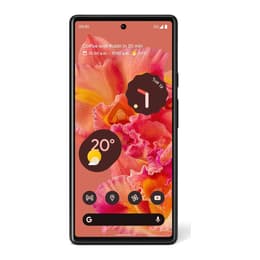
Google Pixel 6
Google Pixel 6
Starting at

Refurbished price:£101.00

Versus £649.99 new

See options
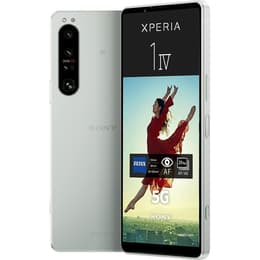
Sony Xperia 1 IV
Sony Xperia 1 IV
Starting at

Refurbished price:£347.00

Versus £1,500.00 new

See options

Ratings

The Google Pixel 6 (released October 2021) and the Sony Xperia 1 IV (released May 2022) are both Android smartphones that offer distinct approaches to mobile technology. While the Pixel 6 emphasizes computational photography and a streamlined software experience, the Xperia 1 IV focuses on advanced multimedia capabilities, particularly for photography and videography enthusiasts. Both devices launched with Android 12, providing a familiar operating system experience, but they diverge significantly in their hardware philosophies and target user profiles.

Scores

Durability

The longevity of a smartphone is influenced by its release timeline, software support, and physical durability. The Google Pixel 6, launched in October 2021, was initially promised three years of OS updates and five years of security updates. However, Google has since extended this, guaranteeing five years of both OS and security updates, meaning support will continue until Android 17. The Sony Xperia 1 IV, released in May 2022, typically receives two to three major Android OS updates, followed by security patches for a similar duration, though Sony's update policy can vary.

  • Software Support: The Pixel 6 benefits from an extended software support policy, offering five years of OS and security updates from its release, potentially providing a longer period of access to the latest Android features and security enhancements.
  • Physical Durability: Both devices feature Gorilla Glass Victus on the front for enhanced screen protection, with the Pixel 6 also using Gorilla Glass 6 on the back, and both carry an IP68 rating for dust and water resistance, indicating a robust build.
  • Repairability: While specific repairability scores can fluctuate, both phones are designed with modern smartphone construction, which generally means repairs can be complex and may require specialized tools and expertise.

Year of Release

2021

2022

Compatible with latest Update

Yes

No

OS

Android

Android

Foldable

No

No

Performance

Performance in daily use is a key consideration, with both the Pixel 6 and Xperia 1 IV offering capable hardware for various tasks. The Pixel 6 is powered by Google's custom-designed processor, while the Xperia 1 IV utilizes a high-end chip from a prominent manufacturer. These differences translate into varying experiences for demanding applications and multitasking.

  • Processing Power: The Pixel 6's custom processor is optimized for Google's software and AI features, providing smooth navigation and efficient handling of everyday applications and computational photography tasks. The Xperia 1 IV's processor delivers strong performance for gaming, video editing, and other intensive workloads, though some users have reported it can lead to increased heat during prolonged heavy use.
  • Multitasking and Storage: The Pixel 6 comes with 8GB of RAM, which is sufficient for most multitasking needs, and offers storage options of 128GB or 256GB. The Xperia 1 IV features a larger 12GB of RAM, contributing to very fluid multitasking, and provides 256GB or 512GB of internal storage, with the added benefit of expandable storage via a microSD card.
  • Battery Behavior: The Pixel 6 houses a 4614mAh battery, with user experiences on battery life varying; some report all-day use, while others note more frequent charging, especially with heavy camera use or 5G connectivity. The Xperia 1 IV includes a larger 5000mAh battery, which generally provides good endurance, but its high-resolution, high-refresh-rate display and powerful processor can consume significant power, particularly during intensive tasks like 4K video recording or gaming, sometimes leading to noticeable heat generation.

Memory (GB)

8 GB

12 GB

Screen quality

The display is a primary interface for any smartphone, and the Pixel 6 and Xperia 1 IV offer distinct visual experiences tailored to different preferences. Both utilize OLED technology, but they differ in resolution, refresh rate, and aspect ratio, impacting overall clarity and viewing comfort.

  • Display Technology and Resolution: The Pixel 6 features a 6.4-inch OLED display with a 2400x1080 pixel resolution, offering vibrant colors and deep blacks suitable for general media consumption. The Xperia 1 IV boasts a 6.5-inch 4K HDR OLED display with a 3840x1644 resolution, providing exceptional sharpness and detail, particularly beneficial for high-resolution content.
  • Refresh Rate and Smoothness: The Pixel 6 has a 90Hz refresh rate, which provides a smoother scrolling and animation experience compared to standard 60Hz displays. The Xperia 1 IV offers a 120Hz refresh rate, resulting in even more fluid visuals and a highly responsive feel, especially noticeable in fast-paced content and user interface interactions.
  • Aspect Ratio and Brightness: The Pixel 6 uses a more conventional aspect ratio, making it comfortable for most users. Its display is bright enough for outdoor visibility, reaching high peak brightness levels. The Xperia 1 IV features a unique 21:9 cinematic aspect ratio, ideal for widescreen video content, and offers improved brightness over its predecessor, though some users still find it less bright than competitors in direct sunlight.

Resolution

1080 x 2400

1644 x 3840

Screen type

AMOLED

OLED

Audiovisual

Both the Google Pixel 6 and Sony Xperia 1 IV are designed with strong camera capabilities, though they approach imaging from different perspectives. The Pixel 6 leverages computational photography for consistent results, while the Xperia 1 IV offers extensive manual controls and unique hardware for creative users.

  • Rear Camera Systems: The Pixel 6 includes a dual-camera setup with a 50MP main sensor and a 12MP ultrawide lens, excelling in computational photography to produce detailed and color-accurate images, particularly in challenging lighting conditions. The Xperia 1 IV features a versatile triple 12MP camera system, comprising a main, ultrawide, and a continuous optical zoom telephoto lens, offering flexibility for various photographic scenarios and advanced video recording features.
  • Photography Performance: The Pixel 6 is known for its reliable point-and-shoot experience, delivering excellent HDR and low-light performance, making it suitable for users who prefer automatic optimization. The Xperia 1 IV provides a more manual, pro-oriented photography experience, with features like Real-time Eye AF and object tracking, appealing to users who want granular control over their shots, though its auto mode and low-light performance are sometimes noted as less consistent than the Pixel's.
  • Video and Audio: The Pixel 6 offers strong video recording with good stabilization and 4K 60fps capabilities, though some early reviews noted areas for improvement in video quality. The Xperia 1 IV stands out with its ability to record 4K 120fps video across all three rear cameras, providing extensive creative options for videographers, and includes a 3.5mm headphone jack for high-quality audio monitoring.

Main camera

50 megapixels

12 megapixels

Front camera

8 megapixels

12 megapixels

Miscellaneous

Beyond core specifications, several practical elements differentiate the Pixel 6 and Xperia 1 IV, influencing daily usability and overall user experience. These include connectivity, physical ports, biometric security, and design considerations.

  • Connectivity and Ports: Both devices support 5G connectivity and modern Wi-Fi standards (Wi-Fi 6E) for fast wireless data. The Pixel 6 features a USB-C port for charging and data transfer. The Xperia 1 IV also uses USB-C but uniquely retains a 3.5mm headphone jack, catering to audiophiles and those who prefer wired audio accessories.
  • Biometric Security: The Pixel 6 incorporates an in-display fingerprint sensor for unlocking and authentication, though some users have reported it can be inconsistent or slower than traditional sensors. The Xperia 1 IV utilizes a side-mounted fingerprint sensor, which is often praised for its speed and reliability.
  • Design and Handling: The Pixel 6 has a distinctive design with a prominent horizontal camera bar and a weight of 207 grams. The Xperia 1 IV, at 185 grams, is lighter and features a tall, narrow 21:9 aspect ratio, which some users find makes it easier to hold and operate with one hand despite its 6.5-inch screen size. The Xperia 1 IV also includes a dedicated physical shutter button, enhancing the camera experience.

Weight

207 g

185 g

Screen size (in)

6.4

6,5

Mobile network

5G

5G

SIM card

Physical SIM + eSIM

Physical SIM + eSIM

Carrier compatibility

Unlocked

Unlocked

The Google Pixel 6 and Sony Xperia 1 IV cater to different user priorities, each offering a compelling set of features. Users frequently praise the Pixel 6 for its exceptional camera performance, particularly its computational photography capabilities that deliver consistent and high-quality images with minimal effort. Its clean Android experience and extended software support are also commonly highlighted as significant advantages.

Conversely, the Sony Xperia 1 IV receives acclaim for its unique 4K 120Hz OLED display, offering an immersive viewing experience, especially for cinematic content. Its advanced camera system, with continuous optical zoom and extensive manual controls, is highly valued by photography and videography enthusiasts. The inclusion of a 3.5mm headphone jack and expandable storage are also frequent points of praise.

However, both devices have received some criticisms. Pixel 6 users have occasionally reported inconsistencies with the in-display fingerprint sensor and varying battery life experiences. For the Xperia 1 IV, common concerns include potential overheating during prolonged heavy use, particularly with camera functions or gaming, and some users find its automatic camera mode less intuitive than competitors.

Users prioritizing a straightforward, high-quality point-and-shoot camera experience, long-term software support, and a clean Android interface may find the Google Pixel 6 well-suited to their needs. Those who value a highly detailed display, extensive manual camera controls for creative work, a dedicated headphone jack, and expandable storage will likely lean towards the Sony Xperia 1 IV. Both devices represent excellent choices, and opting for a quality-assured refurbished option can be a sustainable choice for either model.

See all articles

Our recent comparisons