
Galaxy Z Flip6 Vs iPhone 14 Pro

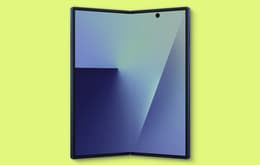
Galaxy Z Flip6
Galaxy Z Flip6
Starting at

Refurbished price:£338.00

Versus £1,011.35 new

See options
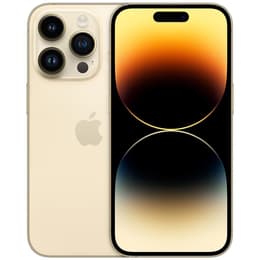
iPhone 14 Pro
iPhone 14 Pro
Starting at

Refurbished price:£304.00

Versus £1,099.00 new

See options

Ratings

The Samsung Galaxy Z Flip6, released in 2024, and the Apple iPhone 14 Pro, launched in 2022, represent two distinct philosophies in the smartphone market. While the Galaxy Z Flip6 is a modern foldable device that prioritises portability and a unique user interface, the iPhone 14 Pro is a traditional high-end smartphone known for its robust build and integrated ecosystem. These devices cater to different user needs, ranging from those seeking a compact, innovative form factor to those who prefer a familiar, high-performance experience.

The Galaxy Z Flip6 operates on the Android platform with a custom interface designed for its folding screen, whereas the iPhone 14 Pro runs on iOS, offering a seamless connection with other Apple services. Despite being released two years apart, both devices remain relevant for users looking for premium features, though their physical designs and software environments offer vastly different daily experiences.

Scores

Durability

When evaluating how long these devices will remain functional and supported, the release dates and manufacturer commitments play a significant role in their expected lifespan.

  • Software Support: The Galaxy Z Flip6 benefits from a more recent launch, with the manufacturer promising seven years of security and operating system updates. In contrast, the iPhone 14 Pro, while older, typically receives six to seven years of support from its release date, meaning both devices are likely to remain secure and functional until the late 2020s or early 2030s.
  • Physical Durability: The iPhone 14 Pro features a solid stainless steel frame and a glass front protected by a ceramic-based shield, offering high resistance to daily wear. The Galaxy Z Flip6 uses an enhanced folding mechanism and reinforced materials, but the nature of a moving hinge and a flexible inner display introduces different long-term maintenance considerations compared to a standard slab-style phone.
  • Repairability: Both manufacturers have made strides in making components like batteries and screens more accessible for service. However, the complex internal layout of the foldable Galaxy Z Flip6 may require more specialised attention during repairs than the more traditional internal structure of the iPhone 14 Pro.

Year of Release

2024

2022

Compatible with latest Update

Yes

Yes

OS

Android

iOS

Foldable

Yes

No

Performance

Performance in these devices is defined by how smoothly they handle demanding tasks, multitasking, and long-term system responsiveness without lag.

  • System Responsiveness: The Galaxy Z Flip6 utilises a current-generation high-performance processor that handles intensive applications and multitasking with ease, aided by a generous amount of system memory. The iPhone 14 Pro, despite its earlier release, remains exceptionally fluid due to highly efficient internal hardware that ensures apps open quickly and animations stay consistent across the interface.
  • Battery Behaviour: The iPhone 14 Pro is designed for efficiency, often lasting a full day for moderate users thanks to the tight integration between its hardware and software. The Galaxy Z Flip6 features a dual-battery system that manages power across its two screens; while it supports a full day of standard use, heavy tasks like gaming or frequent use of the large internal display will deplete the charge more rapidly.
  • Storage and Multitasking: Both devices offer various storage capacities to house large files and media. The Galaxy Z Flip6 is particularly adept at running two apps simultaneously in a split-screen view, while the iPhone 14 Pro focuses on seamless switching between multiple active applications without losing progress.

Memory (GB)

12 GB

6 GB

Screen quality

The display experience is where these two smartphones diverge most significantly, offering different technologies for viewing content and interacting with the interface.

  • Display Technology: The Galaxy Z Flip6 features a 6.7-inch flexible OLED main screen that folds in half, plus a smaller 3.4-inch cover screen for quick notifications. This allows for a large viewing area that becomes highly compact. The iPhone 14 Pro uses a 6.1-inch OLED display with an always-on feature, providing constant access to the time and widgets without waking the device.
  • Brightness and Clarity: Both screens offer high peak brightness, making them easy to read even in direct sunlight. The iPhone 14 Pro is noted for its natural colour reproduction and the Dynamic Island, which integrates software notifications into the camera cutout. The Galaxy Z Flip6 provides vibrant colours and deep blacks, with the added benefit of a secondary screen for use when the device is closed.
  • Smoothness: Each device incorporates a high refresh rate of up to 120Hz, ensuring that scrolling through social media or navigating menus feels incredibly smooth and responsive to the touch.

Resolution

1080 x 2640

1179 x 2556

Screen type

Foldable Dynamic LTPO AMOLED 2X

LTPO Super Retina XDR OLED

Audiovisual

Photography and video capabilities are central to both devices, though they offer different tools for capturing memories and professional-looking content.

  • Camera Systems: The iPhone 14 Pro features a triple-lens setup, including a dedicated telephoto lens for high-quality zoomed shots, which is absent on the Galaxy Z Flip6. The Galaxy Z Flip6 uses a dual-camera system but leverages its folding design to act as its own tripod, allowing for unique angles and high-quality selfies using the main external cameras.
  • Video and Audio: The iPhone 14 Pro is widely recognised for its stable video recording and professional features like cinematic mode, which adds a shallow depth-of-field effect. The Galaxy Z Flip6 offers excellent video quality for social sharing and includes a versatile microphone setup that captures clear audio during calls and recordings.
  • Low-Light Performance: Both smartphones use advanced image processing to brighten dark scenes and reduce graininess. The iPhone 14 Pro tends to produce more neutral, realistic images in low light, while the Galaxy Z Flip6 often applies more vivid processing to make night-time photos appear more striking.

Main camera

50 megapixels

48 megapixels

Front camera

10 megapixels

12 megapixels

Miscellaneous

Practical features such as connectivity, physical dimensions, and security sensors influence how these devices fit into a user's daily routine.

  • Connectivity and Ports: The Galaxy Z Flip6 uses a standard USB-C port for charging and data transfer, making it compatible with a wide range of modern accessories. The iPhone 14 Pro utilises a Lightning port, which was the standard for its generation. Both devices support 5G connectivity for fast mobile data and include modern Wi-Fi and Bluetooth standards for stable wireless connections.
  • Biometrics and Security: For secure access, the iPhone 14 Pro relies on sophisticated facial recognition technology that works in various lighting conditions. The Galaxy Z Flip6 uses a responsive fingerprint sensor built into the power button on the side, allowing for quick unlocking even when the device is folded.
  • Portability and Build: The Galaxy Z Flip6 is significantly more compact when folded, making it ideal for users with smaller pockets. The iPhone 14 Pro is a heavier, more substantial device due to its stainless steel construction, providing a sense of sturdiness and a traditional premium feel in the hand.

Weight

187 g

206 g

Screen size (in)

6.7

6.1

Mobile network

5G

5G

SIM card

Physical SIM + eSIM

Physical SIM + eSIM

Carrier compatibility

Unlocked

Unlocked

In summary, the choice between the Galaxy Z Flip6 and the iPhone 14 Pro depends largely on a user's preference for form factor and ecosystem. User discussions on platforms like Reddit often highlight the Galaxy Z Flip6 for its innovative design and the convenience of its compact size, though some users express caution regarding the long-term resilience of the folding screen. Conversely, the iPhone 14 Pro is frequently praised for its consistent camera performance and the reliability of the iOS experience, with the main criticism being its more traditional and less experimental design.

Users who prioritise a unique, pocketable device and enjoy the flexibility of the Android platform will find the Galaxy Z Flip6 to be a compelling choice. Those who require a dedicated telephoto lens for photography and prefer a tried-and-tested, durable slab design with long-term software stability may lean toward the iPhone 14 Pro. Choosing a quality-assured refurbished option for either of these devices is an excellent way to access high-end technology while making a sustainable choice. Both smartphones remain powerful contenders in 2026, offering distinct paths toward a premium mobile experience without compromising on core functionality or performance.
See all articles

Our recent comparisons