
Compare models
Galaxy S26 Vs iPhone 17 Pro Max
- 1-year minimum warranty
- Free delivery on all items
- Free 30-day returns
Differences at a glance
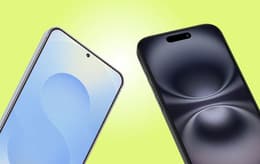
The Samsung Galaxy S26 (2026) and the Apple iPhone 17 Pro Max (2025) represent leading choices within the contemporary smartphone market. While the Galaxy S26 operates on Android, the iPhone 17 Pro Max runs on iOS, offering distinct software ecosystems. Overall, these devices differ primarily in their physical size, operating environments, and approach to handling complex mobile tasks.
Available Models
Colour
Storage
Scores
Durability
Both smartphones offer robust durability features and extended support timelines, though their hardware designs and repair frameworks differ.
- Software longevity: Both devices receive multi-year manufacturer updates, ensuring security and feature continuity throughout their operational lifespan.
- Build protection: The Galaxy S26 incorporates reinforced aluminum framing and advanced glass protection, while the iPhone 17 Pro Max utilizes a durable unibody construction paired with scratch-resistant shield covers.
- Expected lifespan: High-capacity internal memory and efficient thermal management systems help both models maintain reliable everyday performance over several years of continuous use.
Year of Release
2026
2025
Compatible with latest Update
Yes
Yes
OS
Android
iOS
Foldable
No
No
Performance
System responsiveness and everyday utility are handled through powerful internal configurations designed to support modern applications.
- App execution: Both handsets handle demanding software, high-graphics gaming, and rapid multitasking smoothly without noticeable stutter or lag.
- Battery behavior: Energy efficiency features optimize power consumption, allowing both models to easily sustain a full day of typical usage before requiring a recharge.
- Memory management: Generous baseline storage options and high RAM capacity ensure quick file transfers and seamless switching between multiple background processes.
Screen quality
Display technology on both devices prioritizes high clarity, fluid motion, and strong outdoor visibility.
- Panel technology: Each model features an advanced OLED display that delivers deep black levels, high contrast ratios, and vivid color reproduction.
- Refresh rate: Adaptive refresh rate technology scales smoothly up to high Hertz thresholds, ensuring fluid scrolling and responsive touch interaction.
- Outdoor legibility: High peak brightness capabilities allow text and images to remain clearly legible under direct sunlight or bright ambient lighting.
Resolution
1080 x 2340
2868x1320
Audiovisual
Imaging capabilities on both handsets cater to detailed everyday photography and high-definition video recording.
- Lens versatility: Multi-sensor rear camera arrays include primary wide lenses alongside specialized options for wide-angle and zoomed perspectives.
- Low-light capture: Automated image processing brightens dark environments while preserving fine details and minimizing unwanted visual noise.
- Audio and video: Built-in multi-microphone arrays record clear audio during voice calls and video capture, matching the high-fidelity output of the stereo speaker systems.
Front camera
12.0
18 megapixels
Miscellaneous
Physical dimensions and connectivity standards define the practical handling characteristics of each device.
- Connectivity: Both smartphones support rapid global 5G networks, advanced Wi-Fi standards, and precise satellite positioning features.
- Physical dimensions: The Galaxy S26 offers a lighter, more compact profile suited for single-handed use, whereas the iPhone 17 Pro Max provides a larger surface area for media consumption.
- Interface ports: Universal USB-C connectivity handles high-speed data transfers and wired charging requirements across both platforms.
Weight
167 g
233 g
Screen size (in)
6.3
6.9
Mobile network
5G
5G
SIM card
Dual Physical SIM + eSIM
Physical SIM + eSIM
Carrier compatibility
Unlocked
Unlocked
Connector
USB-C
USB-C
What the community thinks
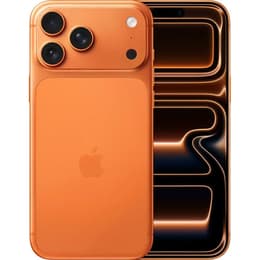
Users prioritizing a compact form factor and customizable interface options often lean toward the Galaxy S26, while individuals seeking a larger display canvas and the iOS environment frequently prefer the iPhone 17 Pro Max. Community discussions frequently praise the Galaxy S26 for its comfortable ergonomics and versatile everyday utility, while the iPhone 17 Pro Max receives consistent recognition for its expansive viewing area and media playback quality. Frequent criticisms for both models generally focus on their large camera module bumps, which can cause the phones to wobble when placed flat on a surface.
When making a selection, choosing a quality-assured refurbished option provides a sustainable choice that reduces electronic waste without compromising on core hardware reliability. Ultimately, aligning either device with personal software preferences and preferred screen dimensions ensures a satisfying long-term experience.