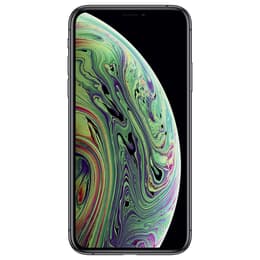

Google Pixel 6 Vs iPhone XS

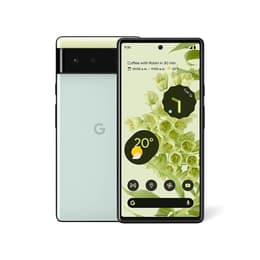
Google Pixel 6
Google Pixel 6
Starting at

Refurbished price:£101.00

Versus £649.99 new

See options
iPhone XS
iPhone XS
Starting at

Refurbished price:£93.00

Versus £399.00 new

See options

Ratings

The Google Pixel 6, released in October 2021, and the iPhone Xs, launched in September 2018, represent different generations and operating systems within the smartphone landscape. While the Pixel 6 runs on Google's Android platform, the iPhone Xs operates within Apple's iOS ecosystem. Key differentiators include their respective release timelines, display technologies, and camera philosophies.

Scores

Durability

When considering the longevity of these devices, their release dates and subsequent software support are primary factors.

  • Release Timeline: The Google Pixel 6 was released in October 2021, making it a significantly newer device compared to the iPhone Xs, which launched in September 2018. This difference in age directly impacts their remaining practical lifespan.
  • OS Support Duration: The iPhone Xs, having launched with iOS 12, has received updates up to iOS 18, demonstrating Apple's extended software support for its devices. The Pixel 6, starting with Android 12, is expected to receive major Android updates for several more years, likely extending its functional life further into the future than the iPhone Xs.
  • Repairability and Build: Both devices feature premium builds with glass backs and an IP68 rating for dust and water resistance. The Pixel 6 incorporates Gorilla Glass Victus on the front and Gorilla Glass 6 on the back, while the iPhone Xs uses durable glass and a stainless steel frame. The newer components and longer expected software support of the Pixel 6 generally suggest a longer practical lifespan for the device.

Year of Release

2021

2018

Compatible with latest Update

Yes

Yes

OS

Android

iOS

Foldable

No

No

Performance

Performance is a critical aspect, influencing how smoothly a device handles daily tasks and demanding applications.

  • Processing Power: The Google Pixel 6 is powered by a more recent-generation processor designed for efficient handling of modern applications and advanced AI features, resulting in responsive performance. The iPhone Xs, featuring its A12 Bionic chip, offered strong performance at its release, but its older architecture may show limitations with the most intensive current applications.
  • Multitasking and Responsiveness: With 8GB of RAM, the Pixel 6 provides ample capacity for seamless multitasking and quick app switching. The iPhone Xs, equipped with 4GB of RAM, was capable for its time, but the Pixel 6 generally offers a more fluid experience with multiple applications running simultaneously.
  • Battery Behavior: The Pixel 6 houses a larger 4614 mAh battery, which typically translates to longer usage times for many users. User experiences with the Pixel 6's battery life have been varied, with some reporting it lasting a full day of normal use, while others noted it could be inconsistent with heavy 5G usage. The iPhone Xs has a 2658 mAh battery, and while software optimizations help, some users found its battery life to be a step back compared to its predecessor, often requiring charging before the end of a heavy day.

Memory (GB)

8 GB

4 GB

Screen quality

The display is the primary interface for user interaction, and both devices offer distinct viewing experiences.

  • Display Technology and Size: The Google Pixel 6 features a larger 6.4-inch OLED display, providing a more expansive viewing area. The iPhone Xs comes with a 5.8-inch Super Retina OLED display, offering a more compact form factor. Both OLED technologies deliver deep blacks and vibrant colors.
  • Resolution and Clarity: The Pixel 6 has a resolution of 1080x2400 pixels at 411 pixels per inch (ppi). The iPhone Xs offers a slightly higher pixel density with a 2436x1125 pixel resolution at 458 ppi, resulting in very sharp images and text.
  • Refresh Rate and Smoothness: A notable difference is the refresh rate; the Pixel 6 features a 90Hz refresh rate, contributing to smoother scrolling and a more fluid visual experience. The iPhone Xs has a standard 60Hz refresh rate.

Resolution

1080 x 2400

1125 x 2436

Screen type

AMOLED

Super Retina OLED

Audiovisual

Both smartphones offer capable camera systems, though they approach photography with different strengths and features.

  • Rear Camera Systems: The Google Pixel 6 features a 50MP main camera that uses pixel-binning to produce 12.5MP images, alongside a 12MP ultrawide lens. It leverages advanced computational photography for image processing. The iPhone Xs has a dual 12MP camera system, consisting of a wide-angle lens (f/1.8) and a telephoto lens (f/2.4) with 2x optical zoom.
  • Low-Light Performance: The Pixel 6 excels in low-light conditions, particularly with its Night Sight mode, which captures detail and balances exposure effectively. The iPhone Xs was considered good for low-light photography at its release, but it may struggle more in very dim environments compared to the newer Pixel 6.
  • Video Recording and Features: Both devices are capable of recording 4K video at up to 60 frames per second. The Pixel 6 offers modern video features and stabilization. The iPhone Xs was praised for its video quality and dynamic range at the time of its launch. The Pixel 6's main camera and ultrawide camera both output 12MP images, even though the main camera has a 50MP sensor.

Main camera

50 megapixels

12 megapixels

Front camera

8 megapixels

7 megapixels

Miscellaneous

Beyond core features, several practical elements contribute to the overall user experience of each device.

  • Connectivity Standards: The Google Pixel 6 supports newer connectivity standards, including 5G and Wi-Fi 6E, offering faster mobile data and wireless network speeds. The iPhone Xs supports 4G LTE and Wi-Fi 5 (802.11ac). Both include Bluetooth for wireless accessories.
  • Ports and Biometrics: The Pixel 6 uses a USB-C port for charging and data transfer and features an in-display fingerprint sensor for biometric authentication. The iPhone Xs utilizes Apple's proprietary Lightning port and relies on Face ID for secure facial recognition.
  • Physical Design and Handling: The Pixel 6 measures 158.6 x 74.8 x 8.9 mm and weighs 207 grams, offering a substantial feel. The iPhone Xs is more compact and lighter at 143.6 x 70.9 x 7.7 mm and 177 grams, which may appeal to users preferring a smaller device. Both devices feature a premium construction with glass and metal.

Weight

207 g

177 g

Screen size (in)

6.4

5.8

Mobile network

5G

4G

SIM card

Physical SIM + eSIM

Physical SIM + eSIM

Carrier compatibility

Unlocked

Unlocked

The Google Pixel 6 and iPhone Xs cater to different user preferences, largely due to their distinct operating systems and release timelines. Users often praise the Pixel 6 for its advanced camera capabilities, particularly its computational photography features and clean Android experience. However, some initial criticisms included software bugs and inconsistent battery performance for heavy users. The iPhone Xs, on the other hand, is frequently lauded for its premium build quality, reliable Face ID, and the robust iOS ecosystem. Common concerns for the iPhone Xs often revolve around its battery life compared to newer devices and the proprietary Lightning port.

Users prioritizing a modern Android experience, cutting-edge computational photography, a smoother display refresh rate, and longer future software support will find the Google Pixel 6 well-suited to their needs. Conversely, individuals who prefer the established iOS ecosystem, a more compact device, and Apple's Face ID biometric security may lean toward the iPhone Xs. Both devices, when considering a quality-assured refurbished option, offer a sustainable choice for consumers looking to extend the life cycle of electronic products.

See all articles

Our recent comparisons