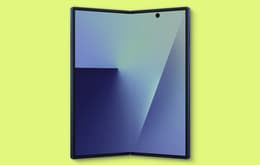
Galaxy Z Fold5 Vs Motorola Moto G13

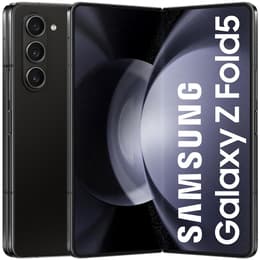
Galaxy Z Fold5
Galaxy Z Fold5
Starting at

Refurbished price:£413.00

Versus £1,770.61 new

See options
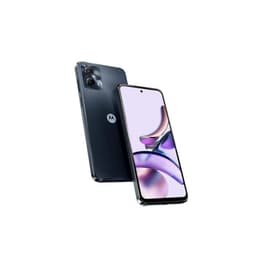
Motorola Moto G13
Motorola Moto G13
Starting at

Refurbished price:£99.00

Versus £166.76 new

See options

Ratings

The Samsung Galaxy Z Fold5 (released in 2023) and the Motorola Moto G13 (also released in 2023) represent distinct approaches to smartphone design and functionality. While both devices operate on the Android platform, the Galaxy Z Fold5 stands out with its innovative foldable display, offering a tablet-like experience in a pocketable form factor. The Moto G13, on the other hand, provides a more traditional smartphone experience, focusing on essential features for everyday use.

Scores

Durability

When considering the long-term usability of these devices, several factors come into play, including their physical resilience and software support.

  • Build and Protection: The Galaxy Z Fold5 features a robust construction with Gorilla Glass Victus 2 on its cover screen and back, an Armor Aluminum frame, and an IPX8 water resistance rating, meaning it can withstand submersion in water. The Moto G13 is designed with a plastic build and Panda Glass protection for its display, offering splash resistance with an IP52 rating.
  • Software Longevity: Samsung typically provides a longer software support window for its flagship devices. The Galaxy Z Fold5 is expected to receive around four to five major Android operating system updates and five years of security updates. The Moto G13, being a more budget-oriented device, generally receives one major Android OS update and two to three years of security patches. This means the Z Fold5 will likely remain current with the latest software features and security protocols for a longer period.
  • Repairability: The Galaxy Z Fold5 has seen improvements in its internal design, making components like batteries more accessible for replacement, which can contribute to its practical lifespan. While specific repairability scores for the Moto G13 are less detailed, its more conventional design might offer straightforward repairs for common issues.

Year of Release

2023

2023

Compatible with latest Update

Yes

No

OS

Android

Android

Foldable

Yes

No

Performance

The performance capabilities of these two smartphones cater to very different user demands, largely influenced by their internal components and design philosophies.

  • Processing Power: The Galaxy Z Fold5 is equipped with a high-performance processor designed to handle demanding applications, intensive multitasking, and graphic-rich gaming with smooth responsiveness. This allows for seamless transitions between multiple open applications and efficient operation of its dual-screen setup. The Moto G13 features an entry-level processor that is well-suited for daily tasks such as web browsing, social media, and light applications. While it can manage basic gaming, it may exhibit slower loading times and less fluid performance with more complex apps or heavy multitasking.
  • Multitasking and Storage: With its generous amount of RAM (12GB), the Galaxy Z Fold5 excels at keeping numerous applications active in the background and switching between them without lag. It also offers ample and fast internal storage options, ranging from 256GB to 1TB, ensuring quick app launches and data access. The Moto G13 comes with 4GB of RAM and storage options of 64GB or 128GB, which is sufficient for typical smartphone usage but may require more frequent app closures for optimal performance during heavy multitasking. It also supports expandable storage via a microSD card.
  • Battery Behavior: The Galaxy Z Fold5, despite its powerful components and dual displays, is designed to offer all-day battery life for many users, with some reports indicating up to 1.5 days of use. The Moto G13, with its less power-intensive hardware, is noted for its impressive battery longevity, often lasting up to 1.5 to 2 days for average users on a single charge.

Memory (GB)

12 GB

4 GB

Screen quality

The display experience is a primary differentiator between these two devices, offering distinct visual characteristics and interaction methods.

  • Display Technology and Size: The Galaxy Z Fold5 features two Dynamic AMOLED 2X displays: a large 7.6-inch foldable inner screen and a 6.2-inch cover screen. These OLED panels deliver deep blacks, high contrast, and vibrant colors. The Moto G13 has a single 6.5-inch IPS LCD. IPS LCDs provide good color reproduction and viewing angles, but generally do not match the contrast levels of OLED technology.
  • Resolution and Clarity: The Z Fold5's inner display boasts a high resolution of 2176 x 1812 pixels, resulting in sharp and detailed visuals, while its cover screen has a resolution of 2316 x 904 pixels. The Moto G13 offers an HD+ resolution of 1600 x 720 pixels, which is clear enough for everyday content consumption but less sharp than higher-resolution displays.
  • Brightness and Refresh Rate: Both screens on the Galaxy Z Fold5 offer an adaptive refresh rate of up to 120Hz, providing smooth scrolling and fluid animations. The main display can reach high peak brightness levels, making it highly visible even in bright outdoor conditions. The Moto G13 features a 90Hz refresh rate, which offers a smoother experience than standard 60Hz displays. Its peak brightness is around 400 nits, which is adequate for indoor use but may be less visible under direct sunlight.

Resolution

1812 x 2176

720 x 1600

Screen type

Foldable Dynamic AMOLED 2X

IPS LCD

Audiovisual

The camera systems on the Galaxy Z Fold5 and Moto G13 are designed for different levels of photographic versatility and image quality.

  • Rear Camera Systems: The Galaxy Z Fold5 features a versatile triple camera setup on its rear, including a 50-megapixel main sensor, a 12-megapixel ultrawide lens, and a 10-megapixel telephoto lens with 3x optical zoom. This configuration allows for a wide range of photographic scenarios, from expansive landscapes to detailed zoomed-in shots, with good performance in various lighting conditions. The Moto G13 also has a triple rear camera system, comprising a 50-megapixel main sensor, a 2-megapixel macro lens, and a 2-megapixel depth sensor. Its main camera performs well in good lighting, but the auxiliary lenses offer more limited utility.
  • Front and Selfie Cameras: The Z Fold5 includes a 10-megapixel camera on its cover screen and a 4-megapixel under-display camera on its main foldable screen, offering options for video calls and selfies. Users can also utilize the high-quality rear cameras for selfies when the device is folded. The Moto G13 has an 8-megapixel front-facing camera, suitable for video calls and basic selfies, performing best in well-lit environments.
  • Video Recording and Audio: The Galaxy Z Fold5 is capable of recording high-resolution video, including 8K at 30fps, and features stereo speakers for an immersive media consumption experience. The Moto G13 records video up to 1080p at 30fps and also includes stereo speakers with Dolby Atmos support, enhancing its audio output.

Main camera

50 megapixels

50 megapixels

Front camera

4 megapixels

8 megapixels

Miscellaneous

Beyond core performance and display, several practical features contribute to the overall user experience of these smartphones.

  • Connectivity: The Galaxy Z Fold5 supports 5G connectivity, enabling faster mobile data speeds and improved network performance in compatible areas. It also features Wi-Fi 6E and Bluetooth 5.3 for advanced wireless connections. The Moto G13 supports 4G LTE networks and includes Wi-Fi 5 and Bluetooth 5.1.
  • Ports and Sensors: Both devices utilize a USB-C port for charging and data transfer. The Moto G13 retains a 3.5mm headphone jack, offering a traditional audio connection option. For security, both phones feature a side-mounted fingerprint sensor. The Z Fold5 also includes face recognition, while the Moto G13 offers face unlock.
  • Physical Characteristics: The Galaxy Z Fold5, due to its foldable design and premium materials, is heavier at 253 grams and has distinct dimensions when folded and unfolded. When folded, it is thicker but narrower, and when unfolded, it becomes a thin, wider device. The Moto G13 is lighter at approximately 183 grams and has a more conventional smartphone form factor, making it comfortable for one-handed use for many.

Weight

150 g

183 g

Screen size (in)

7.6

6.5

Mobile network

4G

4G

SIM card

Dual Physical SIM + eSIM

Dual Physical SIM

Carrier compatibility

Unlocked

Unlocked

The Samsung Galaxy Z Fold5 and Motorola Moto G13 cater to different user needs and preferences, reflecting their distinct designs and capabilities. User feedback for the Galaxy Z Fold5 often highlights its powerful performance, versatile multitasking abilities, and the immersive experience of its large foldable display. While the crease on the inner screen is a common point of discussion, many users report that it becomes less noticeable with regular use. Criticisms sometimes point to its weight and the learning curve associated with its unique form factor.

The Motorola Moto G13 is frequently praised for its extended battery life, smooth 90Hz display for its category, and overall solid performance for everyday tasks. Users appreciate its clean Android experience and the inclusion of features like a headphone jack and stereo speakers. Some common concerns revolve around its camera performance in challenging lighting conditions and the presence of some pre-installed software.

Users prioritizing a cutting-edge, versatile device for productivity, media consumption, and demanding applications will find the Galaxy Z Fold5 well-suited to their needs. Its dual screens and high-end processing power offer a unique smartphone experience. Conversely, users who value long battery life, a straightforward Android experience, and reliable performance for essential daily tasks may prefer the Motorola Moto G13. It offers a practical and dependable option for those seeking a traditional smartphone form factor.

For those considering either device, exploring quality-assured refurbished options can provide an eco-friendly alternative to purchasing new, allowing access to these technologies in a more sustainable way.

See all articles

Our recent comparisons