
Galaxy Z Fold5 Vs iPhone 14

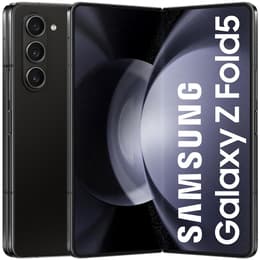
Galaxy Z Fold5
Galaxy Z Fold5
Starting at

Refurbished price:£413.00

Versus £1,770.61 new

See options
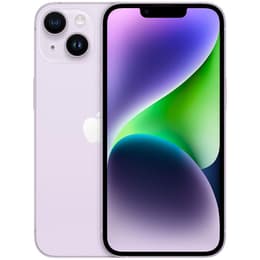
iPhone 14
iPhone 14
Starting at

Refurbished price:£229.00

Versus £599.00 new

See options

Ratings

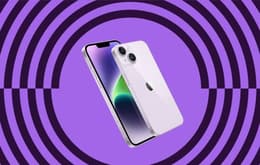
The Samsung Galaxy Z Fold5 (2023) and the iPhone 14 (2022) represent two distinct philosophies in the modern smartphone market. While the Galaxy Z Fold5 is a cutting-edge foldable device that transitions from a standard phone into a compact tablet, the iPhone 14 adheres to the classic, reliable slab design that has defined the industry for years. These devices operate on different platforms—Android and iOS, respectively—offering users unique ecosystems, app experiences, and interface designs. Choosing between them involves weighing the benefits of a versatile, large-screen workspace against a more traditional, compact, and streamlined mobile experience.

Scores

Durability

When evaluating how long these devices will remain functional and relevant, users must consider both the physical construction and the manufacturer's commitment to software updates over several years.

  • Software Longevity: The iPhone 14 is expected to receive official operating system updates for approximately six to seven years from its release, providing a very long functional life. The Galaxy Z Fold5 offers a structured update policy of four years of major software upgrades and five years of security patches, ensuring it remains secure and modern for a significant period, though slightly shorter than its counterpart.
  • Physical Resilience and Repair: The iPhone 14 features a conventional glass and aluminium build with high dust and water resistance, making it physically robust for daily use. In contrast, the Galaxy Z Fold5 incorporates a complex hinge and a flexible internal screen; while it is engineered for durability and is water-resistant, the moving parts and softer inner display require more mindful handling and may involve more intricate professional repair processes over time.

Year of Release

2023

2022

Compatible with latest Update

Yes

Yes

OS

Android

iOS

Foldable

Yes

No

Performance

Both smartphones provide smooth and responsive performance for everyday tasks, though they are optimised for different types of user interactions and multitasking needs.

  • Multitasking Capabilities: The Galaxy Z Fold5 is specifically designed for high productivity, allowing users to run multiple applications side-by-side on its expansive inner display. This makes it well-suited for professionals who need to manage emails while viewing documents or attending video calls. The iPhone 14 focuses on a seamless, single-tasking experience where apps open instantly and navigation remains fluid, though it does not offer the same level of split-screen versatility.
  • System Efficiency and Battery: The iPhone 14 is known for its efficient power management, particularly during standby, which helps the battery last through a full day of typical use. The Galaxy Z Fold5 features a larger battery to power its dual-screen setup; however, battery consumption can increase significantly when using the large internal display for extended periods of gaming or media consumption. Both devices offer ample memory to ensure that switching between common apps feels fast and effortless.

Memory (GB)

12 GB

6 GB

Screen quality

The display technology is the primary differentiator between these models, impacting everything from how you watch videos to how you read text outdoors.

  • Display Versatility and Size: The Galaxy Z Fold5 offers a unique dual-screen experience, featuring a narrow outer display for quick interactions and a massive, vibrant 7.6-inch inner screen. This larger surface area provides a tablet-like experience that is ideal for immersive video viewing and detailed document editing. The iPhone 14 uses a fixed 6.1-inch OLED display that provides excellent colour accuracy and deep blacks, making it a reliable choice for users who prefer a standard, high-quality screen.
  • Visual Smoothness and Brightness: The Galaxy Z Fold5 utilises a high refresh rate on both its screens, which makes scrolling through lists and animations appear exceptionally fluid. While the iPhone 14 lacks this high refresh rate, it offers a very bright and clear display that remains easily readable in bright outdoor conditions, ensuring that photos and text look sharp and natural in various lighting environments.

Resolution

1812 x 2176

1170 x 2532

Screen type

Foldable Dynamic AMOLED 2X

Super Retina XDR OLED

Audiovisual

While both devices are capable of capturing high-quality photos and videos, their hardware configurations offer different levels of flexibility for photography enthusiasts.

  • Lens Configuration and Zoom: The Galaxy Z Fold5 features a versatile triple-camera system, including a dedicated telephoto lens that allows for clear zoomed-in shots of distant subjects. The iPhone 14 employs a dual-camera system that lacks a dedicated zoom lens but excels at capturing balanced, true-to-life images with excellent dynamic range in everyday settings.
  • Video Recording and Audio: The iPhone 14 is frequently praised for its industry-standard video stabilisation and high-fidelity microphone arrays, making it a popular choice for recording social media content and family videos. The Galaxy Z Fold5 also provides high-quality video recording and offers a unique "Flex Mode," where the device can be partially folded to act as its own tripod for hands-free filming and video calls.
  • Low-Light Performance: Both smartphones use advanced software processing to improve image quality in dark environments, reducing grain and brightening shadows. The Galaxy Z Fold5's hardware allows for impressive light intake, while the iPhone 14 focuses on maintaining natural skin tones and textures even when the lighting is less than ideal.

Main camera

50 megapixels

12 megapixels

Front camera

4 megapixels

12 megapixels

Miscellaneous

Practical features such as physical dimensions, connectivity standards, and biometric security play a significant role in the daily user experience of these two devices.

  • Portability and Handling: The iPhone 14 is notably lighter and thinner, making it comfortable for one-handed use and easy to carry in a pocket. The Galaxy Z Fold5 is heavier and thicker when folded, which is a necessary trade-off for users who want the benefit of a much larger screen when the device is opened.
  • Connectivity and Ports: Both devices support 5G for fast mobile data and modern Wi-Fi standards for stable home internet. The iPhone 14 uses a Lightning port for charging and data transfer, whereas the Galaxy Z Fold5 uses the more widely adopted USB-C port, which may be more convenient for users who already own other modern electronics.
  • Security and Accessories: The iPhone 14 relies on facial recognition for secure unlocking, which is fast and works well in most lighting conditions. The Galaxy Z Fold5 uses a fingerprint sensor integrated into the power button and also supports a stylus for precise input and note-taking on the large inner screen, though the stylus is typically an additional purchase.

Weight

150 g

172 g

Screen size (in)

7.6

6.1

Mobile network

4G

5G

SIM card

Dual Physical SIM + eSIM

Physical SIM + eSIM

Carrier compatibility

Unlocked

Unlocked

Connector

USB-C

Lightning

User consensus from various technology forums suggests that the choice between these two devices depends heavily on lifestyle priorities. Owners of the Galaxy Z Fold5 often highlight the transformative nature of the folding screen, noting that it has changed how they work and consume media on the go. However, some users mention the learning curve associated with the narrower outer screen and the need for more careful handling. iPhone 14 users frequently express satisfaction with the device's consistency, the high quality of its video recording, and the straightforward nature of the iOS ecosystem, though some note that the design feels very familiar compared to previous generations.

Users who prioritise productivity, multitasking, and a large-screen experience for media will likely find the Galaxy Z Fold5 to be the more suitable option. On the other hand, those who value a compact, durable, and highly reliable smartphone with a long software support window may prefer the iPhone 14. For those looking to make a sustainable choice, selecting a quality-assured refurbished option is an excellent way to access these advanced features while contributing to a more circular economy. Ultimately, both devices are powerful tools, and choosing a refurbished model serves as a sustainable choice for the environmentally conscious consumer. Whether you prefer the innovative foldable form factor or the proven reliability of a classic smartphone, both models offer a high-quality mobile experience tailored to different modern needs.

See all articles

Our recent comparisons