
iPhone 13 Pro Vs Motorola Moto G13

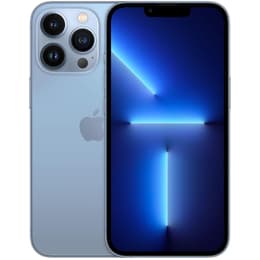
iPhone 13 Pro
iPhone 13 Pro
Starting at

Refurbished price:£232.00

Versus £949.00 new

See options
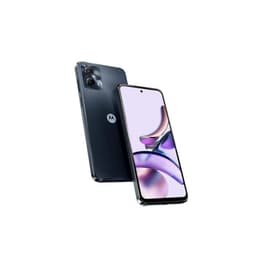
Motorola Moto G13
Motorola Moto G13
Starting at

Refurbished price:£99.00

Versus £166.76 new

See options

Ratings

The iPhone 13 Pro (2021) and the Motorola Moto G13 (2023) represent two distinct categories of smartphones, catering to different user requirements and preferences. While the iPhone 13 Pro was launched as a high-performance flagship with advanced photography and display technology, the Moto G13 focuses on providing essential features and a large screen for everyday tasks. These devices operate on different ecosystems, with the iPhone using Apple's iOS and the Motorola running on Android. Choosing between them often involves deciding between a feature-rich, compact device and a straightforward, utility-focused handset. For many, selecting an eco-friendly alternative can provide access to these technologies while supporting environmental goals.

Scores

Durability

The longevity of these devices is shaped by their release dates and the software support policies of their respective manufacturers, which impact how long they remain functional and secure.

  • Software Support: The iPhone 13 Pro typically receives operating system updates for six to seven years from its release, ensuring it remains compatible with new apps for a long period. In contrast, the Moto G13 has a shorter support window, usually receiving fewer major Android updates and security patches over its lifespan.
  • Build Longevity: With a stainless steel frame and Ceramic Shield front, the iPhone 13 Pro is built to withstand significant wear and tear. The Moto G13 uses a plastic construction that is lighter and more flexible but may show scratches more easily over time.
  • Repairability and Protection: The iPhone 13 Pro features high-level water and dust resistance, protecting it against accidental submersions. The Moto G13 offers a water-repellent design that handles light splashes, though it is not rated for full immersion, making it slightly more vulnerable in wet conditions.

Year of Release

2021

2023

Compatible with latest Update

Yes

No

OS

iOS

Android

Foldable

No

No

Performance

Performance differences between these two models are most noticeable when handling demanding applications, multitasking between several heavy programmes, or storing large amounts of data.

  • System Responsiveness: The iPhone 13 Pro provides a fluid experience where apps open instantly and high-end games run without lag or stuttering. The Moto G13 is better suited for standard tasks like messaging, social media, and web browsing, where it maintains steady performance for daily use.
  • Multitasking Capabilities: With higher memory capacity and efficient software integration, the iPhone 13 Pro allows users to keep many apps open in the background without them restarting. The Moto G13 may need to close background apps more frequently to maintain speed during active use.
  • Storage and Battery: While the iPhone offers large internal storage options for high-resolution files, the Moto G13 includes a dedicated slot for memory cards, allowing users to expand their storage space. The Moto G13 also features a large battery capacity designed to last through a full day of heavy usage without needing a charge.

Memory (GB)

6 GB

4 GB

Screen quality

The viewing experience varies significantly due to the different display technologies, brightness levels, and refresh rates used in each of these handsets.

  • Display Technology: The iPhone 13 Pro uses an OLED screen that delivers deep blacks and high contrast, making it ideal for watching films and viewing photos. The Moto G13 features an LCD panel, which provides natural colours and a larger physical viewing area for reading and browsing.
  • Motion Smoothness: Both devices offer enhanced refresh rates for smoother scrolling compared to standard screens. The iPhone's display adjusts dynamically up to 120Hz for maximum fluidity, while the Moto G13 stays at a consistent 90Hz, providing a noticeably smoother experience than basic 60Hz displays.
  • Outdoor Visibility: The iPhone 13 Pro reaches high brightness levels that make the screen easy to read even in direct sunlight. The Moto G13 is comfortable for indoor use but may require shading or higher manual brightness settings when used in very bright outdoor environments.

Resolution

1170 x 2532

720 x 1600

Screen type

Super Retina XDR OLED

IPS LCD

Audiovisual

Photography and media consumption are areas where these devices diverge based on their intended use cases, sensor types, and internal processing capabilities.

  • Camera Versatility: The iPhone 13 Pro features a triple-lens system including a dedicated zoom lens and an ultra-wide lens, allowing for professional-style portraits and expansive landscapes. The Moto G13 relies primarily on its high-resolution main sensor for everyday snapshots and casual photography.
  • Video and Low Light: For video recording, the iPhone 13 Pro offers advanced stabilisation and high-definition formats that remain clear in low light. The Moto G13 performs best in well-lit conditions, capturing clear video for social sharing and video calls, though it lacks the advanced night modes found on the iPhone.
  • Audio Experience: Both phones feature stereo speakers for an immersive sound experience when watching videos. The Moto G13 retains a traditional headphone jack, which is a practical feature for users who prefer using wired audio equipment without needing an external adapter.

Main camera

12 megapixels

50 megapixels

Front camera

12 megapixels

8 megapixels

Miscellaneous

Practical daily interactions, such as how you unlock the phone, connect to mobile networks, or plug in accessories, highlight the functional differences between these models.

  • Network Connectivity: The iPhone 13 Pro supports 5G networks for faster mobile data speeds in supported areas, which is beneficial for streaming high-quality video on the go. The Moto G13 is limited to 4G LTE, which provides reliable connectivity for standard internet usage.
  • Security and Access: Users unlock the iPhone 13 Pro using facial recognition technology, which is integrated into the software for secure app logins. The Moto G13 uses a fingerprint sensor built into the side power button, offering a quick and tactile way to access the device.
  • Physical Handling and Ports: The Moto G13 uses a universal USB-C port for charging and data transfer, while the iPhone 13 Pro uses a Lightning port. In terms of handling, the Moto G13 is slightly larger but lighter, whereas the iPhone 13 Pro has a more compact footprint but feels more substantial due to its metal build.

Weight

203 g

183 g

Screen size (in)

6.1

6.5

Mobile network

5G

4G

SIM card

Physical SIM + eSIM

Dual Physical SIM

Carrier compatibility

Unlocked

Unlocked

User consensus on the iPhone 13 Pro often highlights its exceptional camera system and the smoothness of the 120Hz display, though some find the device's weight to be noticeable during extended use. On the other hand, Moto G13 users frequently praise the long-lasting battery life and the inclusion of a headphone jack, while noting that the screen resolution and processing speed are more suited to basic tasks than intensive gaming or professional creative work. These observations from actual users reflect the different design philosophies behind each smartphone.

Users who prioritise high-end photography, seamless software updates, and a compact, durable build will likely find the iPhone 13 Pro aligns with their needs. Conversely, those who prefer a larger screen, expandable storage, and a lighter device for everyday communication and long battery life may lean toward the Moto G13. For those looking to make a sustainable choice, opting for a quality-assured refurbished option like the iPhone 13 Pro allows access to flagship features while reducing environmental impact. Ultimately, the choice depends on whether you require a high-performance tool for creative work or a reliable, straightforward device for daily essentials. Both devices offer distinct advantages depending on your personal priorities and how you intend to use your smartphone every day.
See all articles

Our recent comparisons