iPhone 15 Plus Vs iPhone SE (2020)

iPhone 15 Plus
iPhone 15 Plus
Starting at

Refurbished price:£344.00

Versus £799.00 new

See options
iPhone SE (2020)
iPhone SE (2020)
Starting at

Refurbished price:£67.00

Versus £289.00 new

See options

Ratings

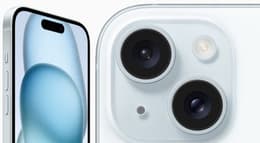
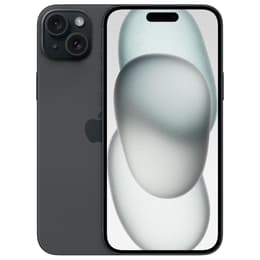
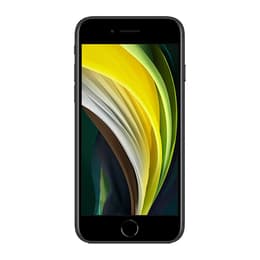
The iPhone 15 Plus (2023) and the iPhone SE (2020) represent two very different eras and philosophies in smartphone design. While the iPhone 15 Plus is a modern, large-format device with an expansive display and contemporary features, the iPhone SE (2020) maintains a classic aesthetic with a physical home button and a compact footprint. Both devices run on the iOS platform, though the newer model supports advanced interface features and software capabilities that are not available on the older hardware. This comparison explores how these two models differ in daily use to help you decide which fits your lifestyle.

Scores

Durability

The age gap between these two devices significantly impacts their expected functional lifespan and the duration of software support they will receive from the manufacturer.

  • Software Longevity: The iPhone 15 Plus, released in 2023, is expected to receive system updates and security patches until approximately 2030, whereas the iPhone SE (2020) is nearing the end of its official support cycle.
  • Physical Resilience: The newer model features a more robust glass construction and higher water resistance ratings, while the older model relies on a design that is easier for technicians to open for basic repairs like battery swaps.
  • Future Readiness: Users looking for a device that will remain compatible with new apps for several years will find the iPhone 15 Plus more suitable, as the iPhone SE (2020) may soon face limitations with demanding software updates.

Year of Release

2023

2020

Compatible with latest Update

Yes

Yes

OS

iOS

iOS

Foldable

No

No

Performance

The iPhone 15 Plus and iPhone SE (2020) offer distinct experiences in terms of speed and daily reliability, particularly regarding multitasking and battery endurance.

  • System Responsiveness: The iPhone 15 Plus handles high-definition video editing and intensive gaming without hesitation, while the iPhone SE (2020) remains snappy for messaging and browsing but may slow down when switching between multiple heavy applications.
  • Battery Endurance: The larger physical size of the iPhone 15 Plus allows for a high-capacity battery that typically lasts through a full day of heavy use, whereas the iPhone SE (2020) often requires a midday charge for active users.
  • Multitasking Efficiency: With more internal memory, the 15 Plus keeps more apps open in the background, making it a sustainable choice for professionals who need to jump between tools quickly.

Memory (GB)

6 GB

3 GB

Screen quality

The viewing experience is perhaps the most immediate differentiator between these two smartphones, affecting everything from reading text to watching media.

  • Display Technology: The iPhone 15 Plus uses an OLED panel that provides deep blacks and high contrast, while the iPhone SE (2020) uses a traditional LCD that offers natural colors but lacks the same level of vibrancy and outdoor visibility.
  • Screen Real Estate: The 6.7-inch display of the 15 Plus is ideal for watching videos or reading long documents, whereas the 4.7-inch screen of the SE (2020) is designed for portability and easy one-handed operation.
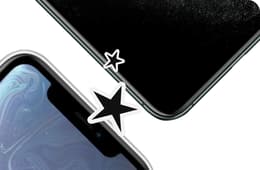
  • Visual Smoothness: While neither device features the highest possible refresh rates, the modern interface of the 15 Plus feels more fluid due to its updated hardware and the inclusion of the interactive notch area for notifications.

Resolution

1290 x 2796

750 x 1334

Screen type

Super Retina XDR OLED

Retina IPS LCD

Audiovisual

Photography and media consumption capabilities have evolved significantly in the three years separating these models, particularly in low-light and video performance.

  • Camera Versatility: The iPhone 15 Plus features a dual-lens system with a high-resolution main sensor and an ultra-wide lens, while the iPhone SE (2020) relies on a single lens that performs well in daylight but lacks specialized modes for wide landscapes.
  • Low-Light Performance: Users will notice that the 15 Plus captures much clearer images in dark environments thanks to advanced processing, whereas the SE (2020) images can appear grainy when lighting is not optimal.
  • Video and Audio: The 15 Plus supports advanced video stabilization and spatial audio recording, providing a more immersive experience for content creators compared to the standard stereo recording on the older model.

Main camera

48 megapixels

12 megapixels

Front camera

12 megapixels

7 megapixels

Miscellaneous

Practical hardware differences like ports, connectivity standards, and biometrics define the daily user experience and handling for both devices.

  • Connectivity and Ports: The iPhone 15 Plus uses a universal USB-C port and supports 5G networks for faster mobile data, while the iPhone SE (2020) uses the proprietary Lightning port and is limited to 4G connectivity.
  • Biometric Security: The 15 Plus utilizes facial recognition for unlocking and payments, which works seamlessly in most lighting, whereas the SE (2020) retains the fingerprint sensor built into the home button, which some users find more reliable.
  • Portability and Build: The SE (2020) is significantly lighter and thinner, making it disappear into a pocket, while the 15 Plus is a substantial device that requires more grip and space.

Weight

201 g

148 g

Screen size (in)

6.7

4.7

Mobile network

5G

4G

SIM card

Physical SIM + eSIM

Physical SIM + eSIM

Carrier compatibility

Unlocked

Unlocked

Connector

USB-C

Lightning

Users on community forums often highlight the iPhone SE (2020) for its familiarity, specifically praising the tactile feedback of the physical home button and the ease of using the device with one hand. However, common criticisms involve the battery life, which many find insufficient for a full day of modern app usage. Conversely, the iPhone 15 Plus receives significant praise for its exceptional battery endurance and the clarity of its large display, though some users find its physical dimensions cumbersome for smaller pockets.

Users who prioritize portability, a classic interface, and basic smartphone functionality will find the iPhone SE (2020) aligns well with their needs. In contrast, those who frequently consume media, play games, or require a device that can last through an entire day of heavy multitasking will likely prefer the iPhone 15 Plus. Choosing a quality-assured refurbished option for either model allows consumers to access these features while making a more environmentally conscious decision. Ultimately, the choice depends on whether one values the compact, traditional design of the SE or the expansive, modern capabilities of the 15 Plus.

See all articles

Our recent comparisons