iPhones
Compare models
Differences at a glance
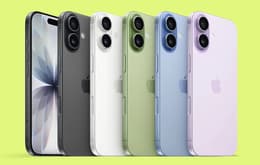
The Samsung Galaxy Z Fold7, released in July 2025, and the Apple iPhone 17, launched in September 2025, represent distinct approaches to high-end smartphone design and functionality. While the Galaxy Z Fold7 offers a unique foldable form factor that transforms a traditional smartphone into a tablet-like experience, the iPhone 17 refines the classic smartphone design with a focus on an enhanced display, updated internal components, and advanced camera capabilities. Both devices operate on their respective flagship operating systems, Android 16 with One UI 8 for the Fold7 and iOS 26 for the iPhone 17, providing users with different ecosystem experiences.
Colour
Storage
When considering the long-term usability of these devices, both the Galaxy Z Fold7 and the iPhone 17 offer robust support and durability features, though their approaches differ due to their form factors.
Year of Release
Compatible with latest Update
OS
Foldable
Both the Galaxy Z Fold7 and the iPhone 17 are equipped with current-generation processors designed to deliver high levels of performance, though their architectures and real-world impacts vary.
The display experience is a primary differentiator between these two devices, with the Galaxy Z Fold7 offering a unique foldable design and the iPhone 17 providing a refined traditional smartphone screen.
Resolution
Both smartphones offer advanced camera systems, but they cater to slightly different photographic needs and user experiences.
Beyond core specifications, several practical elements contribute to the overall user experience of these devices.
Weight
Screen size (in)
Mobile network
SIM card
Carrier compatibility
The Samsung Galaxy Z Fold7 and the iPhone 17 cater to different user preferences, each excelling in distinct areas based on their design philosophies and feature sets. Users frequently praise the Galaxy Z Fold7 for its innovative foldable display, which offers unparalleled versatility for multitasking and media consumption on a larger canvas. Its improved durability and extended software support are also common points of appreciation. However, some users express concerns about its battery life, which, while improved, may not match the endurance of traditional slab phones, and the continued presence of a visible crease on the inner display is sometimes noted.
The iPhone 17 is often lauded for its refined user experience, powerful performance, and significant camera upgrades, particularly the enhanced front-facing camera and improved low-light capabilities. Its vibrant display with high peak brightness and the seamless integration within the Apple ecosystem are also strong positives. While the standard iPhone 17's battery life is generally considered good for a full day of use, some users might find it doesn't offer a dramatic leap in endurance compared to previous generations, especially when compared to the Pro Max models.
Users prioritizing a versatile device that can transform from a compact smartphone to a large-screen tablet for productivity and immersive entertainment may find the Galaxy Z Fold7 well-suited to their needs. Conversely, users who value a consistently polished experience, robust performance for demanding applications, and advanced photography in a traditional smartphone form factor will likely lean towards the iPhone 17. Both devices represent significant advancements in their respective categories, and choosing between them often comes down to a preference for form factor and ecosystem. For those looking for an eco-friendly and quality-assured option, both models are available as refurbished alternatives, offering a sustainable choice for acquiring cutting-edge technology.