
Compare models
Galaxy Z Fold6 Vs iPhone Air
- 1-year minimum warranty
- Free delivery on all items
- Free 30-day returns
Differences at a glance
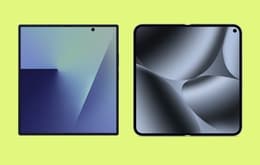
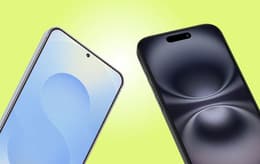
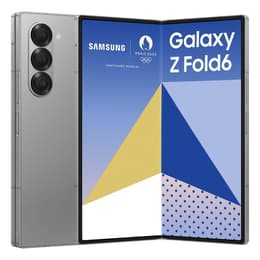
The Samsung Galaxy Z Fold6 (2024) and the Apple iPhone Air (2025) represent two distinct visions for mobile device design, contrasting a dual-screen foldable format with an ultra-slim single-screen construction. While both devices occupy the high-end mobile category, they achieve their form factors through entirely different engineering approaches. Operating on Android and iOS respectively, these models cater to users looking for alternative physical designs combined with capable modern processing.
Available Models
Colour
Storage
Scores
Durability
Device longevity and support timelines vary due to release dates and manufacturer policies, though both models are engineered for extended usability.
- Release timeline: The Galaxy Z Fold6 launched in mid-2024, whereas the iPhone Air entered the market in late 2025, giving the Apple device a more recent hardware baseline.
- Software support: Both manufacturers provide long-term OS and security update commitments, ensuring multi-year software relevance for daily tasks and system security.
- Physical durability: The Galaxy Z Fold6 relies on a multi-component folding hinge and dual screens requiring careful handling, while the iPhone Air utilizes a rigid, slim titanium structure supported by reinforced glass panels.
Year of Release
2024
2025
Compatible with latest Update
Yes
Yes
OS
Android
iOS
Foldable
Yes
No
Performance
Daily execution speeds and hardware resource handling differ according to each device's internal architecture and multitasking frameworks.
- Storage configurations: Both models offer spacious internal storage tiers starting from 256GB and scaling upward to accommodate large media libraries and heavy app caches.
- Processor capabilities: Each device handles demanding mobile games, complex applications, and rapid app switching smoothly without noticeable stutter during normal operation.
- Multitasking and memory: The Galaxy Z Fold6 benefits from generous RAM paired with split-screen window management, while the iPhone Air utilizes optimized memory allocation for seamless background task handling.
Screen quality
Display layouts contrast a transformable dual-screen workspace with a single, high-clarity expansive panel.
- Display technology: The Galaxy Z Fold6 features an inner foldable OLED screen alongside an outer cover display, while the iPhone Air provides a single large OLED panel with high pixel density.
- Outdoor visibility: Both screens reach high peak brightness levels, ensuring clear legibility and vibrant contrast under direct sunlight.
- Refresh rate and smoothness: Dynamic refresh rates scaling up to 120Hz deliver fluid scrolling animations and responsive touch tracking across both platforms.
Resolution
1856 x 2160
2736x1260
Screen type
Foldable Dynamic LTPO AMOLED 2X
Super Retina XDR
Audiovisual
Media capture systems reflect different design priorities, balancing multi-lens flexibility against streamlined single-lens construction.
- Camera layout: The Galaxy Z Fold6 includes a versatile triple-lens rear array featuring main, ultra-wide, and telephoto options, while the iPhone Air utilizes a single high-resolution main camera system.
- Low-light performance: Advanced sensor processing helps both devices capture clear, detailed photographs in dimly lit environments.
- Media consumption: The foldable inner screen of the Galaxy Z Fold6 provides an expansive canvas for viewing photos and videos, whereas the iPhone Air delivers balanced stereo output suitable for casual media playback.
Main camera
50 megapixels
48 megapixels
Front camera
4 megapixels
18 megapixels
Miscellaneous
Physical dimensions and connectivity standards shape everyday handling comfort and portability.
- Portability and weight: The iPhone Air focuses on an exceptionally thin and lightweight profile for easy pocketability, while the Galaxy Z Fold6 offers a thicker folded profile that opens into a tablet-sized workspace.
- Connectivity options: Both models support current-generation 5G cellular networks, fast Wi-Fi standards, and Bluetooth for accessory pairing.
- Authentication and ports: Each device uses secure biometric recognition systems and standard reversible charging ports for wired power delivery.
Weight
239 g
165 g
Screen size (in)
7.6
6.5
Mobile network
5G
5G
SIM card
Dual Physical SIM + eSIM
eSIM
Carrier compatibility
Unlocked
Unlocked
What the community thinks
User feedback highlights distinct preferences for each device depending on daily workflow requirements. Owners of the Galaxy Z Fold6 frequently praise the utility of the large inner screen for productivity and media viewing, though some note the heavier folded weight and visible crease across the display. Conversely, users of the iPhone Air highlight the comfortable, featherlight feel and sleek profile in daily handling, while noting the limitations of a single rear camera system compared to traditional multi-lens setups. Choosing between these smartphones depends entirely on your practical habits.
Users prioritizing multitasking flexibility and a tablet-sized workspace will find the Galaxy Z Fold6 well-suited to their needs, while those valuing an exceptionally thin, lightweight device for one-handed use may lean toward the iPhone Air. If you are exploring a quality-assured refurbished option as an eco-friendly alternative, both models appear across sustainable retail channels without compromising performance capability. Ultimately, assessing whether a folding workspace or a streamlined slim design matters more to your routine will determine the most suitable choice.