Compare models

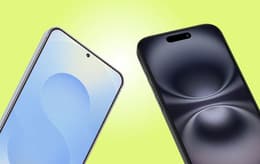
Galaxy S26 Ultra Vs iPhone 16

  • 1-year minimum warranty
  • Free delivery on all items
  • Free 30-day returns
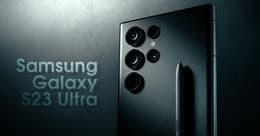
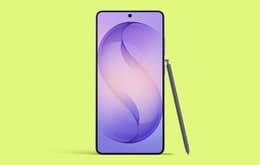
Galaxy S26 Ultra
Starting at

Refurbished price:£819.00

Versus £1,529.00 new

See options
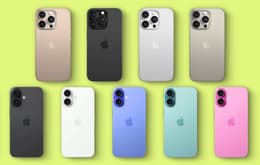
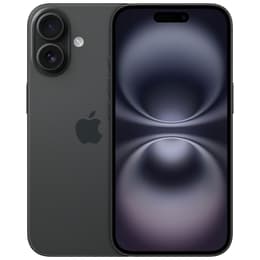
iPhone 16
Starting at

Refurbished price:£443.00

See options

Differences at a glance

The Samsung Galaxy S26 Ultra (2026) and the Apple iPhone 16 (2024) represent two distinct approaches to high-end smartphone design and engineering. While the Galaxy S26 Ultra functions as a large-format productivity powerhouse running Android, the iPhone 16 delivers a streamlined, pocket-friendly daily experience powered by iOS. These devices cater to different user preferences through their physical footprint, software ecosystems, and distinct daily workflows.

Available Models

Colour

Storage

Scores

Durability

When evaluating hardware longevity and software support, both devices are built to remain functional and secure for many years, though they follow different update timelines and repair frameworks.

  • Software lifecycle: The Galaxy S26 Ultra receives extensive system updates for up to seven years from release, matching the long-term support commitment provided by Apple for the iPhone 16 series.
  • Repair framework: Both manufacturers offer official repair channels and replacement components, though structural durability varies due to the Galaxy S26 Ultra's integrated stylus storage slot and larger glass surfaces compared to the aluminum and glass build of the iPhone 16.

Year of Release

2026

2024

Compatible with latest Update

Yes

Yes

Foldable

No

No

Performance

Daily operation and multitasking capabilities differ based on internal hardware optimization and memory allocation between the two operating systems.

  • Multitasking capacity: The Galaxy S26 Ultra handles intensive multi-window workflows and heavy gaming effortlessly with ample memory headroom, while the iPhone 16 manages background apps efficiently through tight software and hardware integration.
  • Storage configurations: The Galaxy S26 Ultra starts at higher baseline storage tiers to accommodate large media libraries, whereas the iPhone 16 offers a range of configurations starting from standard capacity levels.
  • Power management: Battery endurance handles full days of mixed usage on both models, though larger physical form factors generally accommodate larger cell capacities for extended screen-on time.

Screen quality

Viewing experiences differ significantly due to physical display dimensions, panel technologies, and maximum brightness thresholds.

  • Display dimensions: The Galaxy S26 Ultra features a spacious 6.9-inch panel with sharp resolution, compared to the more compact 6.1-inch screen of the iPhone 16, which is better suited for one-handed navigation.
  • Panel technology: Both models use advanced organic light-emitting diode technology to produce deep contrast levels and vivid colors, paired with high refresh rates for smooth scrolling on the Samsung device and standard refresh rates on the base iPhone 16.
  • Outdoor visibility: High peak brightness capabilities on both screens ensure legibility under direct sunlight during outdoor use.

Resolution

1440 x 3120

1179 x 2556

Audiovisual

Media capture systems cater to different photography styles through varying lens arrangements and software processing pipelines.

  • Lens versatility: The Galaxy S26 Ultra equips a multi-lens array featuring high-resolution main sensors and dedicated optical zoom capabilities for distant subjects, while the iPhone 16 uses a streamlined dual-camera layout optimised for everyday point-and-shoot clarity.
  • Video recording: Both phones capture stable, high-resolution video with advanced stabilization features, making them reliable tools for content creation and recording family moments.
  • Audio output: Stereo speaker setups on both devices deliver clear sound reproduction for media playback and hands-free calls.

Front camera

12.0

12 megapixels

Miscellaneous

Physical handling, connectivity standards, and daily utility features define how each device integrates into personal routines.

  • Physical footprint: The Galaxy S26 Ultra offers an expansive canvas complete with an integrated stylus for note-taking, resulting in a heavier and wider frame, whereas the iPhone 16 prioritizes a lightweight, compact body that rests comfortably in smaller pockets.
  • Connectivity and ports: Both models support modern fifth-generation cellular networks and fast Wi-Fi standards, utilizing universal charging ports for wired connections and power delivery.
  • Biometric security: Identity verification relies on secure facial recognition on the iPhone 16, while the Galaxy S26 Ultra provides both facial scanning and an ultrasonic fingerprint sensor embedded beneath the screen.

Weight

214 g

170 g

Screen size (in)

6.9

6.1

Mobile network

5G

5G

SIM card

Physical SIM + eSIM

Physical SIM + eSIM

Carrier compatibility

Unlocked

Unlocked

Connector

USB-C

USB-C (USB 2)

What the community thinks

User feedback from online communities highlights distinct preferences for each ecosystem. Owners of the Galaxy S26 Ultra frequently praise its expansive display, versatile zoom photography, and the productivity benefits of the built-in stylus, though some note that its large physical size can feel cumbersome during one-handed use. Conversely, iPhone 16 users appreciate its reliable daily battery performance, compact ergonomics, and straightforward operating system, while occasionally mentioning limitations in optical zoom range compared to larger specialized devices.

Users prioritizing a sprawling screen, advanced zoom capabilities, and stylus productivity will find the Galaxy S26 Ultra well-suited to their workflow. Meanwhile, users who value a lightweight, pocket-friendly handset with straightforward daily usability may lean toward the iPhone 16. For those looking at sustainable tech acquisition, opting for a quality-assured refurbished option provides an eco-friendly alternative that reduces electronic waste without compromising on performance or reliability.