Compare models
Galaxy S25 Vs OnePlus 13
- 1-year minimum warranty
- Free delivery on all items
- Free 30-day returns
Differences at a glance
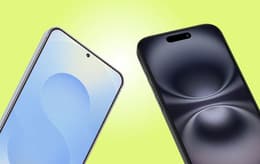
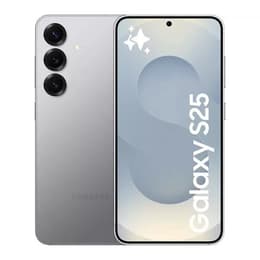
The Samsung Galaxy S25 (2025) and the OnePlus 13 (2025) are high-end Android smartphones designed to deliver top-tier mobile capabilities. While both devices run on Android and share powerful current-generation internal processing hardware, they differ significantly in physical footprint, battery capacity, and display scale. Choosing between them often comes down to personal preferences regarding form factor and daily usage patterns.
Available Models
Colour
Storage
Scores
Durability
Both smartphones provide robust long-term reliability backed by extended manufacturer software support and durable build engineering suited for years of daily operation.
- Software longevity: Both models feature multi-year commitments for operating system updates and security patches, ensuring modern software compatibility throughout their lifecycle.
- Repairability and physical durability: Each device incorporates high-grade glass protection and dust-resistant sealing, with standardized internal layouts that facilitate component servicing when needed.
- Expected lifespan: High-capacity internal power cells and optimized energy management help maintain reliable daily utility across several years of continuous ownership.
Year of Release
2025
2024
OS
Android
Android
Foldable
No
No
Performance
Equipped with advanced processing architecture and generous memory configurations, both devices handle demanding applications and rapid multitasking with ease.
- Multitasking and storage: Both phones offer multiple storage tiers paired with high RAM capacity, allowing seamless switching between heavy apps and background tasks.
- Battery behavior: The OnePlus 13 features a larger physical battery capacity designed for extended autonomous operation, whereas the Galaxy S25 relies on efficient power scaling to sustain standard daily routines.
- System responsiveness: Navigation, app launching, and gaming remain fluid and consistent on both platforms thanks to sophisticated thermal cooling and high-performance hardware.
Screen quality
The viewing experiences differ primarily in physical dimensions and panel geometry, though both utilize advanced display technologies for sharp visuals.
- Display technology: Both devices utilize vibrant OLED panels with high refresh rates, delivering deep contrast levels, fluid scrolling, and smooth animations.
- Brightness and outdoor visibility: High peak brightness capabilities ensure screen content remains easily legible under direct sunlight or bright ambient conditions.
- Size and scale: The OnePlus 13 provides a larger screen canvas well-suited for immersive media consumption, while the Galaxy S25 offers a more compact footprint that is easier to manage with one hand.
Resolution
1080x2340
1440x3168
Screen type
Dynamic LTPO AMOLED 2X
LTPO 4.1 AMOLED
Audiovisual
Equipped with versatile multi-lens rear setups and high-resolution front-facing sensors, both handsets capture detailed photos and stable video across diverse lighting scenarios.
- Photography performance: Main and ultra-wide sensors on both devices handle everyday snapshots and challenging low-light environments with effective clarity and balanced color reproduction.
- Video recording: Both models support high-resolution video capture with advanced stabilization features to minimize shake during movement.
- Audio and media output: Stereo speaker systems on both phones deliver clear sound output for hands-free calls, video viewing, and casual media playback.
Miscellaneous
Practical everyday features, connectivity standards, and physical dimensions define how each device integrates into a user's daily routine.
- Connectivity and ports: Both devices support modern 5G networks, fast Wi-Fi standards, and USB-C connectivity for data transfer and charging.
- Biometric security: Fast in-display fingerprint sensors and secure facial recognition options provide quick, reliable device unlocking.
- Physical dimensions: The Galaxy S25 offers a lighter and slimmer build profile, whereas the OnePlus 13 carries a slightly larger and heavier chassis that accommodates its larger internal battery.
Weight
162 g
210 g
Screen size (in)
6.2
6.82
Mobile network
5G
5G
SIM card
Dual Physical SIM
Dual Physical SIM
Carrier compatibility
Unlocked
Unlocked
What the community thinks
User discussions across community forums frequently highlight the Galaxy S25 for its comfortable, pocket-friendly ergonomics and streamlined software ecosystem. Common praise centers on its manageable size and reliable everyday performance, though some users note that its smaller battery requires more frequent recharging during intensive use. Conversely, community feedback for the OnePlus 13 frequently praises its exceptional battery endurance and expansive display, while some users mention that its larger physical size can feel slightly cumbersome during one-handed operation.
Users prioritizing a compact, easily handled device may prefer the Galaxy S25, while users prioritizing maximum battery longevity and a larger viewing area will lean toward the OnePlus 13. For buyers exploring sustainable purchasing alternatives, choosing a quality-assured refurbished option provides a practical way to acquire either model while supporting eco-friendly technology consumption.