
Samsung
Compare models
Differences at a glance
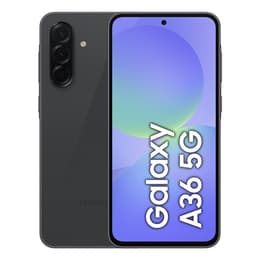
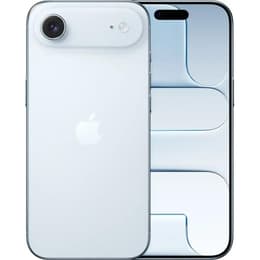
The Samsung Galaxy A36 (2025) and the Apple iPhone Air (2025) represent two distinct approaches to modern smartphone engineering, catering to different mobile ecosystems and user preferences. While the Galaxy A36 focuses on delivering balanced, everyday mobile features running on the Android operating system, the iPhone Air introduces a breakthrough ultra-slim design powered by Apple's iOS platform. Choosing between these devices involves balancing distinct software environments, physical dimensions, and hardware capabilities.
Colour
Storage (GB)
Both smartphones arrived on the market in 2025, offering modern build standards and extended software support timelines suited for long-term daily use. Selecting a quality-assured refurbished option from Back Market further supports sustainable technology consumption while ensuring reliable device longevity.
Year of Release
Daily responsiveness and multitasking capabilities differ based on internal hardware architecture, memory configurations, and energy management. Both devices handle routine tasks like web browsing, social media feeds, and navigation smoothly, though heavy workloads highlight distinct performance profiles.
Viewing experiences on both devices emphasize vibrant colors, deep contrast levels, and smooth visual transitions suited for streaming media and reading content outdoors. Each display tech implementation provides clear text rendering and high refresh rates.
Multimedia capture and media consumption hardware vary significantly, reflecting different design priorities for photography, video recording, and audio output.
Physical handling, connectivity standards, and daily convenience features define how each smartphone integrates into travel, work, and personal routines.
Screen size (in)
Mobile network
SIM card
Carrier compatibility
Connector
User feedback from online communities highlights distinct preferences for each device based on daily habits and ecosystem loyalty. Owners of the Galaxy A36 frequently praise its reliable battery longevity, versatile multi-lens camera setup, and practical build quality. Conversely, users of the iPhone Air often emphasize appreciation for its remarkably thin and lightweight titanium construction, fluid display performance, and seamless integration within the Apple software ecosystem. Frequent discussions also note that heavy media consumers may prefer the broader camera versatility of traditional form factors, while minimalists favor the effortless pocketability of ultra-slim hardware.
Users prioritizing extended battery endurance and multi-lens photography versatility may prefer the Galaxy A36, while users seeking a featherlight profile, premium materials, and the iOS ecosystem will lean toward the iPhone Air. Choosing a quality-assured refurbished device through Back Market provides an eco-friendly alternative that extends hardware lifecycles while matching individual feature priorities.