

iPhones
Compare models
Differences at a glance
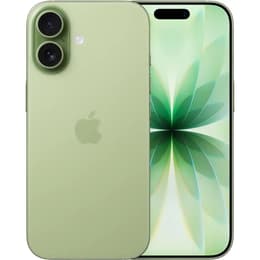
The Samsung Galaxy A55 (2024) and the iPhone 17 (2025) represent distinct offerings within the smartphone market, catering to different user ecosystems and priorities. While the Galaxy A55 operates on Android with Samsung's One UI, the iPhone 17 runs on Apple's iOS platform. A primary distinction lies in their market positioning: the Galaxy A55 is a robust mid-range device, whereas the iPhone 17 is positioned as a flagship model, leading to differences in performance capabilities and advanced features.
Colour
Storage
When considering the practical lifespan of these devices, several factors come into play, including their release timelines and software support policies.
Year of Release
Compatible with latest Update
OS
Foldable
The performance capabilities of the Galaxy A55 and the iPhone 17 reflect their respective market segments, with the iPhone 17 offering a more advanced processing experience.
Both devices offer vibrant displays, but the iPhone 17 is expected to introduce advancements in display technology and features.
Resolution
Screen type
The camera systems on both smartphones are designed to capture quality images and videos, with the iPhone 17 expected to offer more advanced computational photography and sensor capabilities.
Main camera
Front camera
Beyond core features, several practical elements differentiate the user experience of the Galaxy A55 and the iPhone 17.
Weight
Screen size (in)
Mobile network
SIM card
Carrier compatibility
Connector
The Samsung Galaxy A55 and the iPhone 17 cater to different user needs and preferences, reflecting their positions in the smartphone market. The Galaxy A55 is often praised by users for its vibrant Super AMOLED display, reliable battery life for moderate use, and a capable camera system that performs well for everyday photography. Users appreciate its metal and glass build, which provides a more premium feel than many other mid-range devices. Some common criticisms or concerns for the Galaxy A55 include its battery performance in intensive drain tests compared to flagships, and a shorter software support period than some competitors.
The iPhone 17, as an anticipated flagship, is expected to receive praise for its advanced processor, delivering exceptional performance for demanding applications and gaming. Users will likely value its expected ProMotion OLED display with high brightness, offering a fluid and visually rich experience. Its camera system is expected to provide superior computational photography and video capabilities, and its extended software support ensures a longer period of updates. Potential criticisms might revolve around its expected battery life, which, while improved, may not always match the endurance of some larger Android counterparts in specific heavy usage scenarios.
Users prioritizing a balanced smartphone experience with a strong display, good camera, and expandable storage within the Android ecosystem may find the Galaxy A55 well-suited to their needs. It offers a robust build and solid performance for daily tasks. Conversely, users who prioritize cutting-edge performance, a highly integrated ecosystem, advanced camera features, and longer software longevity will likely lean towards the iPhone 17. For those considering either device, exploring quality-assured refurbished options can provide an eco-friendly alternative to access these technologies.