
Compare models
Galaxy A56 Vs Galaxy S26 Ultra
- 1-year minimum warranty
- Free delivery on all items
- Free 30-day returns
Differences at a glance
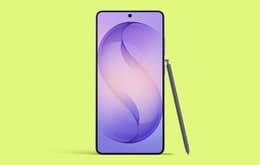
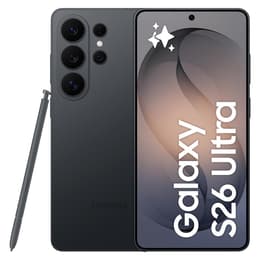
The Samsung Galaxy A56 (2025) and Samsung Galaxy S26 Ultra (2026) represent two distinct tiers within Samsung's smartphone lineup, targeting different expectations for daily technology use. While the Galaxy A56 serves as a balanced mid-range option focused on core functionality, the Galaxy S26 Ultra functions as an advanced flagship device equipped with professional-grade capabilities, specialized input tools, and refined processing power. Both devices operate on Android with Samsung's custom interface, providing familiar software environments while differing significantly in hardware execution and intended user focus.
Available Models
Colour
Storage
Scores
Durability
When examining hardware longevity and software support, both smartphones are engineered to remain functional over multiple years, though their maintenance timelines differ based on release schedules.
- Software support: The Galaxy S26 Ultra benefits from an extensive multi-year operating system update window typical of top-tier devices, whereas the Galaxy A56 provides a slightly shorter yet substantial update commitment suited to its mid-range category.
- Build and repairability: Both models incorporate sturdy construction materials designed to withstand daily wear, with standard repair pathways available through authorized service networks for both device classes.
- Lifespan expectations: Users can expect reliable multi-year operation from both handsets, with the flagship model retaining long-term relevance for demanding tasks due to its high-tier hardware architecture.
Year of Release
2025
2026
Compatible with latest Update
Yes
Yes
OS
Android
Android
Foldable
No
No
Performance
System responsiveness and everyday utility vary between these models, driven by differences in internal processing hardware and memory allocation.
- Multitasking and app execution: The Galaxy S26 Ultra handles intensive multi-application workflows, demanding mobile games, and heavy background processes with immediate fluidity, while the Galaxy A56 smoothly manages routine tasks, social media applications, and moderate daily multitasking.
- Battery behavior: Both devices include generous cell capacities capable of lasting through a full day of standard use, though the flagship model features faster wired charging capabilities to reduce downtime.
- Storage configurations: The Galaxy S26 Ultra offers higher maximum storage tiers to accommodate large media libraries, whereas the Galaxy A56 provides standard capacities adequate for everyday document and photo storage.
Screen quality
Display characteristics differ in size, peak illumination, and panel sophistication, affecting how media and text appear in various lighting environments.
- Display technology: Both smartphones feature vibrant AMOLED screens with high refresh rates for smooth scrolling, though the Galaxy S26 Ultra incorporates a larger panel with enhanced resolution and advanced anti-reflective properties.
- Outdoor visibility: The Galaxy S26 Ultra reaches higher peak brightness levels to maintain sharp legibility under direct sunlight, while the Galaxy A56 offers comfortable viewing clarity for everyday outdoor use.
- Viewing experience: Users consuming extensive video content will find immersive viewing on both devices, with the flagship model providing a wider canvas and finer detail reproduction.
Resolution
1080x2340
1440 x 3120
Audiovisual
Optics and media creation capabilities vary widely, reflecting the different design priorities of a mid-range device and a premium flagship.
- Camera versatility: The Galaxy S26 Ultra features a versatile quad-camera array including high-resolution primary sensors and extended optical zoom capabilities, whereas the Galaxy A56 utilizes a reliable triple-camera setup suited for casual photography.
- Low-light and video performance: The flagship model captures greater detail and dynamic range in challenging lighting conditions and supports advanced video stabilization modes, while the mid-range alternative handles daylight photography and standard video recording reliably.
- Audio and media output: Both handsets deliver clear stereo sound for calls and media consumption, with the flagship offering richer acoustic depth during playback.
Front camera
13 megapixels
12.0
Miscellaneous
Physical handling and connectivity features shape the daily ergonomic experience of carrying and interacting with each smartphone.
- Dimensions and weight: The Galaxy A56 presents a lighter, more streamlined profile that rests easily in one hand, whereas the Galaxy S26 Ultra is a larger, heavier device designed to accommodate a built-in stylus and expansive display.
- Connectivity and inputs: Both models support current 5G networks, Wi-Fi standards, and secure in-display biometric authentication, but the Galaxy S26 Ultra uniquely integrates a physical stylus for precision note-taking and sketching.
- Durability ratings: Both devices include water and dust resistance ratings to protect against accidental splashes during travel or daily commutes.
Weight
198 g
214 g
Screen size (in)
6.7
6.9
Mobile network
5G
5G
SIM card
Dual Physical SIM + eSIM
Physical SIM + eSIM
Carrier compatibility
Unlocked
Unlocked
Connector
USB-C
USB-C
What the community thinks
User feedback from online communities highlights distinct preference patterns for each smartphone. Owners of the Galaxy A56 frequently praise its reliable battery endurance, clean display quality, and practical approach to everyday communication tasks. Common discussions sometimes note that its processing limits become apparent during extended high-performance gaming sessions. Conversely, users of the Galaxy S26 Ultra frequently commend its exceptional camera versatility, expansive screen estate, and productivity benefits offered by the integrated stylus, while occasionally mentioning its larger physical footprint and substantial weight as minor trade-offs for daily pocket portability.
Users prioritizing streamlined handling, essential daily performance, and straightforward utility may find the Galaxy A56 well-suited to their needs. Alternatively, users who require advanced photographic tools, maximum processing overhead, and professional productivity features will lean toward the Galaxy S26 Ultra. For buyers exploring sustainable purchasing habits, choosing a quality-assured refurbished option from platforms like Back Market provides an eco-friendly alternative that extends device life cycles without compromising functional reliability. Ultimately, the choice depends on matching personal workflow demands and hardware preferences with the right tier of mobile technology.