
Galaxy S10+ Vs iPhone 13 Pro Max

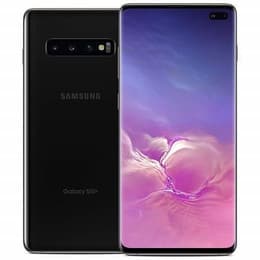
Galaxy S10+
Galaxy S10+
Starting at

Refurbished price:£115.32

Versus £330.00 new

See options
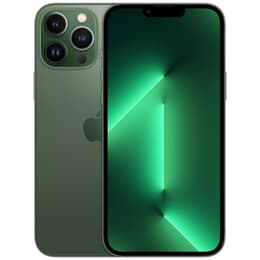
iPhone 13 Pro Max
iPhone 13 Pro Max
Starting at

Refurbished price:£272.00

Versus £1,259.00 new

See options

Ratings

The Samsung Galaxy S10 Plus, released in March 2019, and the Apple iPhone 13 Pro Max, launched in September 2021, represent different generations and operating system ecosystems in the smartphone landscape. While the Galaxy S10 Plus runs on Android, the iPhone 13 Pro Max operates on iOS. These devices offer distinct user experiences, primarily differentiated by their release timelines, software support, and advancements in core hardware capabilities.

Scores

Durability

When considering the long-term usability of these devices, their respective release dates and software support cycles are key factors.

  • Release Timeline: The Galaxy S10 Plus was released in March 2019, making it an older device compared to the iPhone 13 Pro Max, which launched in September 2021.
  • Software Longevity: The iPhone 13 Pro Max, being a newer device, benefits from a longer expected period of operating system updates and security patches from Apple, typically extending for several years beyond its release. The Galaxy S10 Plus, having been released earlier, has reached the end of its major Android OS update cycle, though it may still receive security updates for a period.
  • Physical Durability: Both devices feature glass fronts and backs, with the Galaxy S10 Plus utilizing Corning Gorilla Glass 6 on the front and Gorilla Glass 5 on the back, encased in an aluminum frame. The iPhone 13 Pro Max features a Ceramic Shield front cover and a textured matte glass back with a stainless steel frame, offering robust protection. Both phones also carry an IP68 rating for dust and water resistance.

Year of Release

2019

2021

Compatible with latest Update

No

Yes

OS

Android

iOS

Foldable

No

No

Performance

The performance capabilities of these smartphones are influenced by their internal components and the optimization of their respective operating systems.

  • System Responsiveness: The iPhone 13 Pro Max, with its more recent processor, delivers a highly responsive experience, handling demanding applications and multitasking with ease. The Galaxy S10 Plus, while capable for everyday tasks, may show its age with more intensive applications or heavy multitasking compared to the newer iPhone.
  • Application Handling: Users of the iPhone 13 Pro Max can expect smooth performance across a wide range of applications, including graphically intensive games and professional-grade video editing tools. The Galaxy S10 Plus provides a solid experience for general use and most applications, but its older hardware may lead to slower loading times or less fluid operation in newer, more demanding apps.
  • Storage Options: The iPhone 13 Pro Max offers various internal storage configurations, including a 1TB option, without expandable storage. The Galaxy S10 Plus also came with generous internal storage options and included a microSD card slot for further expansion, providing flexibility for users who require extensive local storage.

Memory (GB)

8 GB

6 GB

Screen quality

The visual experience on both devices is delivered through high-quality displays, though with differences in technology and features.

  • Display Technology and Clarity: The Galaxy S10 Plus features a 6.4-inch Dynamic AMOLED display with a Quad HD+ resolution of 3040 x 1440 pixels, resulting in a pixel density of approximately 522 ppi. The iPhone 13 Pro Max sports a 6.7-inch Super Retina XDR OLED display with ProMotion technology, offering a resolution of 2778 x 1284 pixels at about 458 ppi. Both displays offer vibrant colors and deep blacks.
  • Brightness and Refresh Rate: The iPhone 13 Pro Max's display can reach higher peak brightness levels, which enhances visibility in bright outdoor conditions and improves HDR content viewing. A significant feature of the iPhone 13 Pro Max is its ProMotion technology, providing an adaptive refresh rate that can go up to 120Hz for smoother scrolling and more fluid animations. The Galaxy S10 Plus has a standard 60Hz refresh rate.
  • Viewing Experience: The larger screen of the iPhone 13 Pro Max offers an expansive viewing area, which is beneficial for media consumption and productivity. The Galaxy S10 Plus also provides a large and immersive display experience with its curved edges.

Resolution

1440 x 3040

1284 x 2778

Screen type

Dynamic AMOLED

Super Retina XDR OLED

Audiovisual

Both smartphones offer versatile camera systems, designed to capture a variety of moments, though with different strengths and capabilities.

  • Rear Camera Systems: The Galaxy S10 Plus features a triple rear camera setup, including a 12MP wide-angle lens with variable aperture, a 12MP telephoto lens with 2x optical zoom, and a 16MP ultrawide lens. The iPhone 13 Pro Max also has a triple 12MP camera system, comprising a wide, ultrawide, and telephoto lens, with the telephoto offering 3x optical zoom. The iPhone 13 Pro Max's main sensor is larger, allowing it to capture more light.
  • Photography Features: The iPhone 13 Pro Max introduces advanced features like Cinematic Mode for video, ProRes video recording, and improved low-light performance across all cameras, including a macro photography mode. The Galaxy S10 Plus offered features like Scene Optimizer, Shot Suggestions, and various camera modes including Super Slow-mo and Live Focus.
  • Audio Output: Both devices feature stereo speakers, providing a rich audio experience for media playback. The Galaxy S10 Plus includes a 3.5mm headphone jack, which is absent on the iPhone 13 Pro Max.

Main camera

12 megapixels

12 megapixels

Front camera

10 megapixels

12 megapixels

Miscellaneous

Beyond the core features, several other elements contribute to the overall user experience of these devices.

  • Connectivity and Ports: The iPhone 13 Pro Max supports 5G connectivity, offering faster cellular data speeds, alongside Wi-Fi 6 and Bluetooth 5.0. It uses a Lightning port for charging and data transfer. The Galaxy S10 Plus supports 4G LTE, Wi-Fi 6, and Bluetooth 5.0, and features a USB-C port.
  • Biometric Security: The Galaxy S10 Plus incorporates an ultrasonic in-display fingerprint sensor for secure unlocking. The iPhone 13 Pro Max relies on Face ID, Apple's facial recognition system, for biometric authentication.
  • Physical Attributes: The Galaxy S10 Plus measures 157.6 x 74.1 x 7.8 mm and weighs 175 grams. The iPhone 13 Pro Max is slightly larger and noticeably heavier, with dimensions of 160.8 x 78.1 x 7.65 mm and a weight of 240 grams.

Weight

175 g

238 g

Screen size (in)

6.4

6.7

Mobile network

4G

5G

SIM card

Dual Physical SIM

Physical SIM + eSIM

Carrier compatibility

Unlocked

Unlocked

The Samsung Galaxy S10 Plus and iPhone 13 Pro Max cater to different user preferences and priorities. Users often praise the Galaxy S10 Plus for its vibrant display, the inclusion of a headphone jack, and expandable storage, which offers flexibility for media enthusiasts and those who prefer physical connections. Some criticisms for the S10 Plus often revolve around its software update longevity compared to newer devices and its performance with the most demanding modern applications.

The iPhone 13 Pro Max is frequently lauded for its exceptional camera system, particularly its low-light capabilities and advanced video features like Cinematic Mode and ProRes. Its powerful processor and extended battery life are also common points of praise, providing a smooth and enduring user experience. However, some users may find its larger size and weight less comfortable for one-handed use, and the absence of a headphone jack or expandable storage can be a drawback for certain workflows.

Users prioritizing a device with a longer software support window, top-tier camera performance, and robust processing power for intensive tasks may find the iPhone 13 Pro Max well-suited to their needs. Conversely, individuals who value a traditional headphone jack, expandable storage, and a slightly lighter form factor might lean towards the Galaxy S10 Plus. Both devices, when considered as quality-assured refurbished options, offer an eco-friendly alternative for consumers seeking capable smartphones.
See all articles

Our recent comparisons