
Compare models
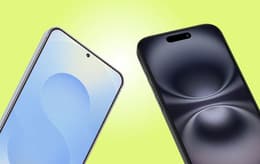
Galaxy S23 FE Vs iPhone Air
- 1-year minimum warranty
- Free delivery on all items
- Free 30-day returns
Differences at a glance
The Samsung Galaxy S23 FE (2023) and the Apple iPhone Air (2025) represent two distinct approaches to modern smartphone engineering. The Galaxy S23 FE focuses on delivering practical everyday utility within an established product family, while the iPhone Air introduces an ultra-thin profile and a lightweight titanium frame. Running on Android and iOS respectively, these devices cater to users looking for different balances of physical form factor and software ecosystems.
Available Models
Colour
Storage
Scores
Durability
When evaluating structural longevity and software support, both devices offer robust lifespans backed by high-tier build materials and long-term operating system updates.
- Software Support and Updates: The iPhone Air benefits from a newer release year and extended system update schedules, whereas the Galaxy S23 FE has a head start in age but maintains a reliable multi-year update path.
- Build Integrity: The iPhone Air utilizes a titanium frame with advanced scratch-resistant glass protection, while the Galaxy S23 FE relies on an aluminum frame paired with durable glass panels. Both models include official dust and water resistance ratings.
- Repairability and Lifespan: Practical repair infrastructure for both brands ensures that swapping components like batteries or screens remains straightforward over time, supporting multi-year usage cycles.
Year of Release
2023
2025
Compatible with latest Update
Yes
Yes
OS
Android
iOS
Foldable
No
No
Performance
System responsiveness and daily multitasking capabilities differ based on internal hardware optimization and memory allocation between the two operating systems.
- Multitasking and App Handling: Both smartphones switch between demanding applications, web browsing, and casual gaming smoothly, supported by generous baseline memory allocations.
- Storage Configuration: The Galaxy S23 FE provides standard tiers starting at lower capacities, while the iPhone Air begins at higher storage thresholds to accommodate media-heavy workflows.
- Battery Behavior: The Galaxy S23 FE houses a larger physical battery capacity for moderate daily runtimes, whereas the iPhone Air achieves efficient power management despite its exceptionally slim profile.
Screen quality
Visual immersion and panel technologies provide bright, clear viewing experiences tailored for media consumption and text readability.
- Display Technology: Both models utilize vibrant OLED panels that deliver deep contrast levels, sharp text rendering, and wide viewing angles.
- Refresh Rates and Smoothness: High adaptive refresh rates ensure that scrolling through web pages and navigating user interfaces remains fluid on both screens.
- Outdoor Visibility: High peak brightness capabilities allow both displays to remain legible under direct sunlight, adjusting automatically to ambient lighting conditions.
Resolution
1080 x 2340
2736x1260
Screen type
Dynamic AMOLED 2X
Super Retina XDR
Audiovisual
Optics and media recording setups vary significantly, reflecting different philosophies regarding multi-lens versatility versus streamlined single-sensor design.
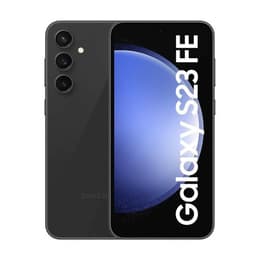
- Camera System Setup: The Galaxy S23 FE features a versatile triple-lens array including a dedicated telephoto zoom lens, whereas the iPhone Air employs a single high-resolution primary sensor housed within a slim camera plateau.
- Photography and Low Light: Both devices capture detailed daylight imagery and process low-light scenes effectively, though the Galaxy S23 FE offers optical zoom flexibility for distant subjects.
- Video and Audio: Video recording stabilization is robust on both platforms, while media playback differs as the Galaxy S23 FE utilizes stereo speakers and the iPhone Air implements a specialized single-speaker configuration.
Main camera
50 megapixels
48 megapixels
Front camera
10 megapixels
18 megapixels
Miscellaneous
Physical dimensions, connectivity standards, and daily handling characteristics define how each device fits into travel and professional routines.
- Handling and Form Factor: The iPhone Air emphasizes a remarkably thin and light profile that reduces pocket bulk, while the Galaxy S23 FE presents a more traditional, weighted feel in the hand.
- Connectivity Options: Both smartphones support fast 5G cellular networks, modern Wi-Fi protocols, and Bluetooth standards for stable peripheral pairing.
- Ports and Charging: The Galaxy S23 FE relies on a standard physical SIM setup alongside USB-C, while the iPhone Air transitions entirely to digital eSIM technology and uses a USB-C port for power delivery.
Weight
209 g
165 g
Screen size (in)
6.4
6.5
Mobile network
5G
5G
SIM card
Physical SIM
eSIM
Carrier compatibility
Unlocked
Unlocked
What the community thinks
User discussions across community forums highlight distinct points of praise and frequent concerns for each smartphone. Owners of the Galaxy S23 FE frequently appreciate its versatile multi-lens camera system and reliable everyday performance, though some users note that battery endurance can decline under heavy sustained loads. Conversely, admirers of the iPhone Air praise its featherlight handling and striking thinness, while critics occasionally mention the compromise of relying on a single rear camera and a mono speaker setup.
When deciding between these two devices, user priorities serve as the main guide. Users prioritizing a versatile multi-lens camera array and traditional ergonomics may prefer the Galaxy S23 FE, while users prioritizing an ultra-slim profile, lightweight build, and extended software longevity will lean toward the iPhone Air. Choosing a quality-assured refurbished option through Back Market also provides an eco-friendly, sustainable path to acquiring either device without compromising on reliability.