iPhone 12 Pro Max Vs Sony Xperia 5 IV

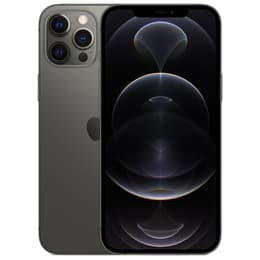
iPhone 12 Pro Max
iPhone 12 Pro Max
Starting at

Refurbished price:£236.00

Versus £979.00 new

See options
Sony Xperia 5 IV
Sony Xperia 5 IV
Starting at

Refurbished price:£299.00

Versus £1,199.00 new

See options

Ratings

The iPhone 12 Pro Max, released in late 2020, and the Sony Xperia 5 IV, launched in late 2022, represent two distinct philosophies in the flagship smartphone market. While the iPhone 12 Pro Max is a large-format device designed for maximum screen real estate and integration into the iOS ecosystem, the Sony Xperia 5 IV offers a more compact, media-centric experience running on the Android operating system. These devices cater to different user preferences regarding size, software functionality, and hardware features. This comparison explores the practical differences between these two models to help you determine which one aligns with your daily requirements and long-term usage habits.

Scores

Durability

When evaluating the longevity of these devices, the primary considerations are software support cycles and physical build quality, which determine how long the phone remains functional and secure.

  • Software Support Longevity: Despite being the older device, the iPhone 12 Pro Max typically benefits from Apple's extended software update policy, which often provides major operating system updates for six to seven years from the release date. The Sony Xperia 5 IV, while newer, follows a shorter update cycle common to many Android manufacturers, usually receiving major updates for a few years followed by security patches.
  • Repairability and Maintenance: The iPhone 12 Pro Max has a widespread network of service providers, making it relatively straightforward to find replacement parts like batteries or screens. The Sony Xperia 5 IV is a more niche device, which may require more specific sourcing for repairs, though its design remains accessible for standard maintenance tasks.
  • Physical Durability: The iPhone features a stainless steel frame and Ceramic Shield glass, while the Sony uses a glass and metal construction with high-grade Gorilla Glass, both offering robust resistance to daily wear and tear.

Year of Release

2020

2022

Compatible with latest Update

Yes

No

OS

iOS

Android

Foldable

No

No

Performance

Performance in these devices is defined by how smoothly they handle multitasking, demanding applications, and long-term system responsiveness without overheating or slowing down.

  • Everyday Responsiveness: The iPhone 12 Pro Max provides a fluid user experience where transitions between apps and heavy web browsing feel instantaneous. The Sony Xperia 5 IV matches this level of responsiveness, particularly when navigating the interface or launching media-heavy applications, thanks to its efficient internal hardware.
  • Multitasking and Memory: Both devices manage multiple open applications effectively, though the iPhone's software is highly optimised for background task management. The Sony Xperia 5 IV offers a clean Android experience that allows for flexible split-screen multitasking, which is useful for users who like to watch video while messaging.
  • Storage Flexibility: The iPhone 12 Pro Max comes in fixed storage capacities, requiring users to choose their limit at the time of purchase. In contrast, the Sony Xperia 5 IV includes a microSD card slot, allowing for easy expansion of storage for photos, music, and offline videos.

Memory (GB)

6 GB

8 GB

Screen quality

The display is the primary interface for any smartphone, and these two models offer very different viewing experiences based on their dimensions and technology.

  • Display Size and Aspect Ratio: The iPhone 12 Pro Max features a large 6.7-inch OLED display with a traditional wide aspect ratio, making it well-suited for reading and general productivity. The Sony Xperia 5 IV uses a 6.1-inch OLED display with a unique 21:9 aspect ratio, which is narrower and taller, designed specifically for cinematic video content and easier one-handed use.
  • Smoothness and Refresh Rate: The Sony Xperia 5 IV supports a high refresh rate of 120Hz, which makes scrolling through lists and animations appear smoother than on the iPhone 12 Pro Max, which is limited to a standard 60Hz refresh rate.
  • Outdoor Visibility: Both screens use OLED technology to provide deep blacks and vibrant colours, with sufficient brightness levels to remain legible even when used in direct sunlight during outdoor activities.

Resolution

1284 x 2778

1080 x 2520

Screen type

Super Retina XDR OLED

OLED

Audiovisual

Photography and video capabilities are central to both devices, though they approach image processing and user control with different priorities.

  • Camera Systems: The iPhone 12 Pro Max utilises a triple-camera array with a LiDAR scanner that assists with focus in low-light conditions and enables detailed portrait photography. The Sony Xperia 5 IV also features a triple-camera setup but focuses on providing manual controls and fast autofocus technology derived from professional cameras.
  • Video Recording: The iPhone is widely recognised for its consistent video quality and ease of use, offering high-dynamic-range recording that works automatically. The Sony Xperia 5 IV provides advanced video features, including the ability to record at high frame rates on all three lenses, giving users more creative flexibility.
  • Audio and Speakers: Sony includes front-facing stereo speakers and a dedicated 3.5mm headphone jack, a rarity in modern flagships, while the iPhone relies on its Lightning port or wireless connections for audio output.

Main camera

12 megapixels

12 megapixels

Front camera

12 megapixels

12 megapixels

Miscellaneous

Practical hardware features and physical handling characteristics often play a significant role in the daily satisfaction of using a mobile device.

  • Biometrics and Security: The iPhone 12 Pro Max uses FaceID for secure unlocking and authentication, which is integrated into the front-facing camera system. The Sony Xperia 5 IV employs a fingerprint sensor built into the power button on the side of the device, allowing for quick access without needing to look at the screen.
  • Portability and Weight: There is a significant difference in handling; the iPhone is a heavy, wide device that usually requires two hands for comfortable use. The Sony is much lighter and narrower, making it one of the more pocket-friendly flagship options available.
  • Connectivity: Both smartphones support 5G networks for fast mobile data and include modern Wi-Fi and Bluetooth standards for reliable connections to accessories and home networks.

Weight

226 g

172 g

Screen size (in)

6.7

6,1

Mobile network

5G

5G

SIM card

Physical SIM + eSIM

Physical SIM + eSIM

Carrier compatibility

Unlocked

Unlocked

Connector

Lightning

USB-C + Jack 3.5mm

In summary, the choice between the iPhone 12 Pro Max and the Sony Xperia 5 IV depends largely on your preference for size and software. User consensus from various forums suggests that the iPhone 12 Pro Max is highly regarded for its expansive screen, reliable battery life, and the seamless nature of the iOS ecosystem. However, some users find its large dimensions and weight to be cumbersome for daily carry. On the other hand, the Sony Xperia 5 IV is praised by enthusiasts for its compact form factor, the inclusion of a headphone jack, and its professional-grade camera controls, though some note that its software support period is shorter than its competitors.

Users who prioritise a large display for media consumption, a simplified user interface, and long-term software updates will likely find the iPhone 12 Pro Max better suited to their needs. Conversely, users who prefer a phone that is easy to use with one hand, require expandable storage, or value traditional audio ports may lean toward the Sony Xperia 5 IV. Both devices are available as a sustainable choice through refurbishment, which provides a quality-assured refurbished option for those looking to reduce their environmental impact. Ultimately, both smartphones remain capable performers that serve different niches in the mobile market, ensuring that whether you value cinematic displays or a large-screen productivity tool, there is a functional path forward.

See all articles

Our recent comparisons