
Galaxy A23 5G Vs iPhone 16

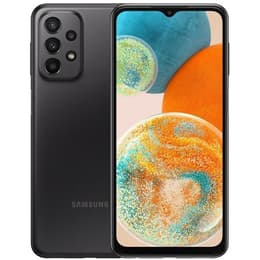
Galaxy A23 5G
Galaxy A23 5G
Starting at

Refurbished price:£100.00

Versus £300.00 new

See options
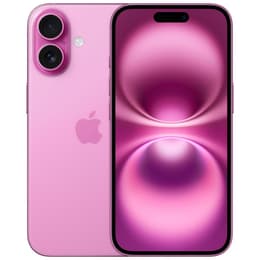
iPhone 16
iPhone 16
Starting at

Refurbished price:£475.00

Versus £699.00 new

See options

Ratings

The Samsung Galaxy A23 5G, released in August 2022, is an Android-based smartphone designed for everyday use, offering a balance of features and accessibility. In contrast, the iPhone 16, launched in September 2026, represents Apple's latest flagship iOS device, focusing on advanced performance, camera capabilities, and a refined user experience. While the Galaxy A23 5G operates on the Android ecosystem with Samsung's One UI, the iPhone 16 runs on Apple's proprietary iOS, providing distinct software environments and user interfaces.

Scores

Durability

The longevity of a smartphone is influenced by its initial release date, ongoing software support, and ease of repair. These factors determine how long a device remains functional and secure for users.

  • Software Updates: The Samsung Galaxy A23 5G, launched with Android 12, is expected to receive major Android OS updates up to Android 15, with security updates typically extending for four years from its release. The iPhone 16, being a 2026 release, is anticipated to receive major iOS updates for approximately 5 to 7 years, with security patches potentially extending even longer, aligning with Apple's historical support for its devices.
  • Practical Lifespan: Users of the Galaxy A23 5G can expect a practical lifespan that aligns with its software support, making it a viable option for several years. The iPhone 16, with its longer projected software support, offers an extended period of access to the latest features and security enhancements.
  • Repairability: The Galaxy A23 5G is considered moderately repairable, with components like the back plate and camera lens covers being replaceable, and the battery removable with specific tools. The iPhone 16 series has made significant strides in repairability, with design changes that make it easier to access and replace internal components, earning it a higher repairability score compared to previous iPhone models.

Year of Release

2022

2024

Compatible with latest Update

Yes

Yes

Foldable

No

No

Performance

Performance in smartphones is measured by how smoothly they handle daily tasks, from launching applications to managing multiple processes simultaneously and running demanding games.

  • Everyday Responsiveness: The Samsung Galaxy A23 5G is equipped with a processor that capably handles common applications and general multitasking, providing a smooth experience for typical smartphone usage. The iPhone 16, featuring Apple's latest generation processor, is designed for exceptional responsiveness, ensuring demanding applications and complex multitasking run with fluidity and efficiency.
  • Multitasking and Storage: The Galaxy A23 5G offers various RAM configurations, supporting adequate multitasking for its segment, and includes expandable storage options via microSD. The iPhone 16 is expected to come with increased RAM and potentially higher base storage capacities, enhancing its ability to manage numerous applications simultaneously and store large amounts of data without relying on external memory.
  • Battery Behavior: The Galaxy A23 5G features a large battery capacity, which typically provides extended usage throughout a day for most users. The iPhone 16 is expected to optimize battery efficiency with its advanced processor and potentially larger battery, aiming to deliver prolonged usage even under heavy demand.

Memory (GB)

4 GB

8 GB

Screen quality

The display is a primary interface for smartphone interaction, and differences in technology, resolution, and brightness significantly impact the visual experience.

  • Display Technology and Clarity: The Samsung Galaxy A23 5G features a 6.6-inch PLS LCD display, offering a clear viewing experience with a resolution of 2408x1080 pixels. The iPhone 16 is expected to feature an advanced OLED display, known for its deep blacks, high contrast, and vibrant color reproduction, providing a visually rich experience.
  • Refresh Rate and Smoothness: The Galaxy A23 5G includes a 120Hz refresh rate, contributing to smoother scrolling and more fluid animations during navigation and gaming. The base iPhone 16 model is expected to retain a 60Hz refresh rate, while its Pro variants are anticipated to offer an adaptive 120Hz ProMotion display for exceptionally smooth visuals.
  • Brightness and Viewing Experience: While the Galaxy A23 5G offers sufficient brightness for indoor and typical outdoor use, the iPhone 16 is expected to feature improved peak brightness levels, enhancing visibility in bright sunlight and improving HDR content viewing. The screen size of the Galaxy A23 5G provides an expansive viewing area, whereas the iPhone 16 is likely to maintain a size around 6.1 inches for its standard model, balancing screen real estate with single-handed usability.

Resolution

1080 x 2408

1179 x 2556

Screen type

PLS LCD

Super Retina XDR OLED

Audiovisual

Camera systems are a key differentiator, influencing the quality of photos and videos captured in various lighting conditions, as well as the overall media consumption experience.

  • Photography Performance: The Samsung Galaxy A23 5G is equipped with a versatile quad-camera setup, including a 50-megapixel main sensor with optical image stabilization, a 5-megapixel ultrawide, and dedicated macro and depth sensors, suitable for a range of everyday photography. The iPhone 16 is expected to feature significant camera upgrades, including a new main sensor and improved ultrawide capabilities, enhancing detail, color accuracy, and low-light performance through advanced computational photography.
  • Video Recording and Features: Both devices offer video recording capabilities, with the Galaxy A23 5G providing standard options for capturing moments. The iPhone 16 is anticipated to introduce enhanced video recording features, potentially including advanced stabilization, cinematic modes, and improved low-light video capture, building on Apple's reputation for strong video performance.
  • Audio Experience: The Galaxy A23 5G provides a standard audio experience for calls and media playback. The iPhone 16 is expected to deliver a refined audio experience through its speakers, offering clear sound for media consumption and calls, consistent with Apple's focus on integrated hardware and software.

Main camera

50 megapixels

48 megapixels

Front camera

8 megapixels

12 megapixels

Miscellaneous

Beyond core specifications, practical elements like connectivity, physical ports, and biometric security contribute to the overall user experience and device utility.

  • Connectivity and Ports: The Samsung Galaxy A23 5G supports 5G connectivity, Wi-Fi 5, and Bluetooth 5.1, and includes a USB-C port along with a 3.5mm headphone jack. The iPhone 16 will feature the latest 5G capabilities, advanced Wi-Fi standards (likely Wi-Fi 7), and Bluetooth 5.4, and will utilize a USB-C port for charging and data transfer, aligning with current industry standards.
  • Biometric Security: The Galaxy A23 5G typically features a side-mounted fingerprint sensor for secure unlocking. The iPhone 16 will continue to rely on Face ID for secure facial recognition, offering a seamless and secure authentication method.
  • Design and Handling: The Galaxy A23 5G features a plastic build and a larger form factor, weighing around 197 grams. The iPhone 16 is expected to maintain a premium build with materials like Ceramic Shield and an aluminum frame, offering a balanced feel in hand, with dimensions similar to previous base models.

Weight

197 g

170 g

Screen size (in)

6.6

6.1

Mobile network

5G

5G

SIM card

Dual Physical SIM

Physical SIM + eSIM

Carrier compatibility

Unlocked

Unlocked

Connector

USB-C + Jack 3.5mm

USB-C (USB 2)

The Samsung Galaxy A23 5G and the iPhone 16 cater to different user needs and preferences within the smartphone market. Users frequently praise the Galaxy A23 5G for its large display, long-lasting battery, and the inclusion of a headphone jack and expandable storage, which are practical features for many. Some common feedback points for the A23 5G include its LCD display technology and processor performance, which, while capable, may not match the fluidity of higher-end devices.

For the iPhone 16, early user sentiment and expectations often highlight its anticipated powerful processor, advanced camera system, and the seamless integration within the Apple ecosystem. The improved repairability of the iPhone 16 series is also a notable positive, addressing a long-standing user concern. Potential considerations for the iPhone 16 might revolve around its expected premium positioning and the absence of expandable storage or a traditional headphone jack, which are standard on some Android devices.

Users prioritizing an expansive screen, extended battery life, and the flexibility of expandable storage and a headphone jack may find the Samsung Galaxy A23 5G well-suited to their needs. It offers a robust Android experience for everyday tasks and media consumption. Conversely, users who value cutting-edge performance, a highly refined camera system, long-term software support, and the integrated iOS ecosystem will likely lean towards the iPhone 16. This device is designed for those seeking the latest technological advancements and a premium user experience.

Both devices, whether new or as quality-assured refurbished options, provide distinct advantages depending on individual priorities, allowing consumers to make an informed and sustainable choice.
See all articles

Our recent comparisons