Compare models
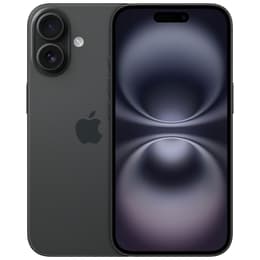
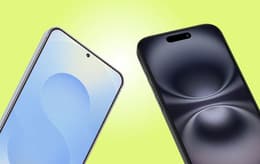
Galaxy A17 Vs iPhone 16
- 1-year minimum warranty
- Free delivery on all items
- Free 30-day returns
Differences at a glance
The Samsung Galaxy A17 (2025) and the Apple iPhone 16 (2024) are modern smartphones that serve very different segments of the mobile market. While the Galaxy A17 focuses on delivering a large screen and extended software support on the Android platform, the iPhone 16 offers high-end performance and refined engineering within Apple's iOS ecosystem. These two devices cater to distinct user needs through contrasting operating systems and hardware approaches.
Available Models
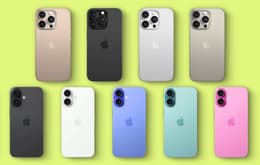
Colour
Storage
Scores
Durability
When examining longevity and hardware endurance, both devices approach long-term support with extended update commitments, though they operate on different software platforms.
- Software Support Duration: The Galaxy A17 benefits from an extended update policy providing major operating system upgrades for several years, matching the multi-year software longevity typically associated with flagship devices. The iPhone 16 receives Apple's standard long-term iOS updates, ensuring security and feature continuity for an extended span.
- Repairability and Build Construction: Both manufacturers employ sturdy materials designed to withstand daily wear, with the iPhone utilizing robust glass and aluminum framing alongside water-resistance ratings. Practical repair pathways are accessible for both models through authorized and independent service channels.
Year of Release
2025
2024
Foldable
No
No
Performance
Daily responsiveness and operational capability differ significantly based on internal hardware architecture and memory configurations.
- Multitasking and App Loading: The iPhone 16 handles demanding applications, graphic-heavy gaming, and intensive multitasking with seamless fluidity. The Galaxy A17 manages daily tasks like web browsing, social media, and standard productivity apps reliably, though heavy processing tasks run at a more measured pace.
- Battery Behavior: The Galaxy A17 features a large capacity cell that easily sustains a full day of mixed use. The iPhone 16 delivers balanced energy efficiency, ensuring dependable daily operation under typical use conditions.
Screen quality
Display characteristics shape the visual experience, offering distinct panel sizes and refresh rate implementations.
- Panel Technology and Clarity: The Galaxy A17 features a large Super AMOLED display with crisp resolution and vibrant color reproduction. The iPhone 16 utilizes an OLED Super Retina screen known for deep contrast levels and high peak outdoor brightness.
- Smoothness and Motion: The Galaxy A17 incorporates a higher refresh rate panel for smoother scrolling through menus and web pages, while the iPhone 16 relies on standard refresh rates for fluid touch response.
Resolution
1080x2340
1179 x 2556
Audiovisual
Multimedia capture and audio output vary between the two devices, reflecting different camera array philosophies.
- Photography and Video: The iPhone 16 provides an advanced dual-lens system capable of detailed low-light captures, steady video recording, and computational photography enhancements. The Galaxy A17 equips a versatile triple-lens setup anchored by a high-resolution main sensor suitable for daylight snapshots and casual recording.
- Audio and Media Consumption: Both models feature stereo speaker setups that deliver clear sound output for calls, podcasts, and media playback without requiring external speakers.
Front camera
50MP
12 megapixels
Miscellaneous
Physical dimensions and connectivity standards determine how each device integrates into daily routines and travel gear.
- Connectivity and Ports: The iPhone 16 utilizes a universal USB-C connection alongside modern 5G and Wi-Fi standards. The Galaxy A17 also adopts USB-C charging alongside comprehensive wireless connectivity and physical SIM flexibility.
- Handling and Form Factor: The Galaxy A17 presents a larger footprint with a 6.7-inch display, appealing to users who prefer expansive viewing space. The iPhone 16 offers a more compact 6.1-inch form factor that sits comfortably in one hand and slips easily into pockets. For buyers exploring sustainable purchases, opting for a quality-assured refurbished option provides a practical way to access these features while supporting circular economy principles.
Weight
192 g
170 g
Screen size (in)
6.7
6.1
Mobile network
5G
5G
SIM card
Dual Physical SIM
Physical SIM + eSIM
Carrier compatibility
Unlocked
Unlocked
Connector
USB-C
USB-C (USB 2)
What the community thinks
User sentiment highlights distinct preferences for each device based on everyday requirements. Owners of the Galaxy A17 frequently praise its expansive display, long battery life, and extended update commitment for an accessible device. Conversely, iPhone 16 users often emphasize the smooth system responsiveness, reliable camera output, and seamless integration within the iOS environment as primary benefits. At the same time, some users note that the Galaxy A17 can feel less swift during intensive multitasking, while iPhone users occasionally mention standard charging speeds as an area for consideration.
Users prioritizing a large viewing screen, dependable daily endurance, and the Android operating system will find the Galaxy A17 well-suited to their preferences. Meanwhile, users prioritizing high-end processing power, compact ergonomics, and advanced camera capabilities may lean toward the iPhone 16. Exploring a quality-assured refurbished option serves as an eco-friendly alternative for acquiring either device responsibly. Selecting between the two depends entirely on individual software preferences, screen size priorities, and performance expectations.