
Galaxy A16 5G Vs iPhone 16

Galaxy A16 5G
Galaxy A16 5G
Starting at

Refurbished price:£103.00

Versus £205.87 new

See options
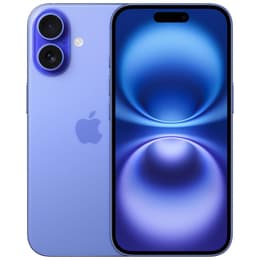
iPhone 16
iPhone 16
Starting at

Refurbished price:£475.00

Versus £699.00 new

See options

Ratings

The Samsung Galaxy A16 5G and the iPhone 16 are contemporary smartphones released in late 2024 and early 2025, respectively. While both devices offer modern mobile experiences, they cater to different user ecosystems and priorities. The Galaxy A16 5G operates on Android, focusing on a larger display and extensive software support, whereas the iPhone 16 runs on iOS, emphasizing advanced processing power and a refined user interface.

Scores

Durability

When considering the long-term usability of these devices, their respective release timelines and software support policies are key differentiators.

  • Software Longevity: The Samsung Galaxy A16 5G, released in late 2024, is guaranteed to receive six years of major Android OS and security updates, extending its support until October 2030. The iPhone 16, launched in September 2024, is expected to receive major iOS updates for approximately six to seven years from its release, providing a comparable long period of access to new features and security enhancements. [4, 21, 27, 33]
  • Build Durability: The iPhone 16 features a premium construction with a Ceramic Shield front cover and an aluminum frame, contributing to its overall resilience and offering IP68 water and dust resistance. [1, 2] The Galaxy A16 5G typically uses a more utilitarian design, often incorporating a plastic frame and back, and is splashproof, making it generally resistant to minor water exposure. [21, 31]
  • Repairability: The iPhone 16 has received a repairability score of 7 out of 10 from iFixit, indicating improvements in its internal design that make common repairs, such as battery replacements, more accessible. [3, 6, 7, 10, 15] The Galaxy A16 5G has an average repairability score of 8.0 out of 10, with features like pull tabs for battery removal, though some components require mid-frame disassembly. [19, 25]

Year of Release

2024

2024

Compatible with latest Update

Yes

Yes

Foldable

No

No

Performance

The performance capabilities of the iPhone 16 and Galaxy A16 5G reflect their different market segments, impacting how they handle daily tasks and demanding applications.

  • Everyday Responsiveness: The iPhone 16 is equipped with an advanced processor, enabling smooth navigation, rapid app loading, and efficient multitasking. [1, 5] The Galaxy A16 5G, powered by a budget-friendly chipset, handles basic activities and light multitasking smoothly, though some users have reported occasional stuttering or slowdowns with heavier use. [4, 24, 39, 40]
  • Multitasking and Storage: The iPhone 16 comes with 8GB of RAM and offers storage options up to 512GB, providing ample space and memory for demanding applications and numerous open tasks. [2, 5] The Galaxy A16 5G typically starts with 4GB of RAM and 128GB of internal storage, with options for 8GB RAM and 256GB storage, and supports expandable memory via a Micro-SD card. [4, 12, 29, 41]
  • Battery Behavior: The iPhone 16 features a battery designed to provide up to 22 hours of offline video playback, with users often reporting it can last through a full day of heavy use. [14, 26, 28] The Galaxy A16 5G includes a larger battery capacity, which typically provides over a day of use for many users, lasting approximately 13 hours and 46 minutes in continuous video streaming tests. [20, 31, 41]

Memory (GB)

4 GB

8 GB

Screen quality

The visual experience on both devices is a key factor, with differences in display technology and features influencing clarity, color, and smoothness.

  • Display Technology and Clarity: The iPhone 16 features a 6.1-inch Super Retina XDR OLED display with a resolution of 2556 by 1179 pixels, delivering deep blacks, vibrant colors, and sharp details. [1, 2, 13, 22] The Galaxy A16 5G offers a larger 6.7-inch Super AMOLED display with a 1080 x 2340 FHD+ resolution, also providing vivid colors and clear visuals. [9, 17, 27, 30]
  • Brightness and Refresh Rate: The iPhone 16's display can reach a typical maximum brightness of 1000 nits, with peak HDR brightness of 1600 nits and peak outdoor brightness of 2000 nits, ensuring good visibility in various lighting conditions. It operates at a standard 60Hz refresh rate. [1, 2, 13, 22] The Galaxy A16 5G features a 90Hz refresh rate for smoother scrolling and a maximum brightness of 800 nits, which is decent for outdoor use. [9, 17, 27, 31]
  • Special Features: The iPhone 16 includes the Dynamic Island, HDR display, True Tone, and a fingerprint-resistant oleophobic coating. [1, 2, 22] The Galaxy A16 5G's larger screen size with minimized bezels aims to provide an immersive viewing experience. [9, 17]

Resolution

1080 x 2340

1179 x 2556

Screen type

Super AMOLED

Super Retina XDR OLED

Audiovisual

The camera systems on the iPhone 16 and Galaxy A16 5G are designed to capture different levels of detail and offer varying photographic capabilities.

  • Everyday Photography: The iPhone 16 features a dual-lens rear camera system, including a 48-megapixel wide lens and a 12-megapixel ultrawide lens, known for capturing detailed, color-accurate photos across various lighting conditions with strong computational photography. [1, 2, 8, 33, 37] The Galaxy A16 5G offers a triple camera setup with a 50-megapixel main sensor, a 5-megapixel ultrawide, and a 2-megapixel macro lens, providing solid performance for general use in well-lit environments. [21, 31, 37]
  • Low-Light and Video Recording: The iPhone 16 typically demonstrates strong performance in low-light scenarios, producing brighter images with less noise and better detail retention. It is also renowned for its video recording capabilities, offering excellent stabilization and dynamic range suitable for high-quality content. [33] The Galaxy A16 5G performs adequately in low light but may show more noise and less detail compared to the iPhone, and supports video recording up to 1080p. [33, 40, 41]
  • Front Camera: Both devices feature capable front-facing cameras for selfies and video calls. The iPhone 16 has a 12-megapixel front camera, while the Galaxy A16 5G includes a 13-megapixel front camera, with users reporting good selfie quality. [2, 21, 24]

Main camera

50 megapixels

48 megapixels

Front camera

13 megapixels

12 megapixels

Miscellaneous

Beyond core performance and display, several practical elements contribute to the overall user experience of these smartphones.

  • Connectivity and Ports: Both devices support 5G connectivity, ensuring access to fast mobile networks. The iPhone 16 features a USB-C port for charging and data transfer. [1, 2] The Galaxy A16 5G also uses a USB Type-C port for charging and data, but notably, it does not include a 3.5mm headphone jack, a feature often found in its segment. [4, 20, 41]
  • Biometrics and Interaction: The iPhone 16 relies on Face ID for secure authentication and includes a customizable Action button and a Camera Control button for quick access to functions. [1, 2] The Galaxy A16 5G integrates a fingerprint reader into its power key for convenient unlocking. [20]
  • Dimensions and Materials: The iPhone 16 measures 147.6 x 71.6 x 7.8 mm and weighs 170 grams, offering a compact and manageable form factor with its Ceramic Shield and aluminum build. [2] The Galaxy A16 5G is larger at 164.4 x 77.9 x 7.9 mm and weighs around 200 grams, featuring a plastic frame and a 'Glastic' back. [20, 31]

Weight

200 g

170 g

Screen size (in)

6.7

6.1

Mobile network

5G

5G

SIM card

Dual Physical SIM

Physical SIM + eSIM

Carrier compatibility

Unlocked

Unlocked

Connector

USB-C

USB-C (USB 2)

The Samsung Galaxy A16 5G and the iPhone 16 offer distinct experiences tailored to different user preferences. User feedback for the Galaxy A16 5G often highlights its impressive software update commitment and long battery life, making it a practical choice for everyday tasks and social media. However, some users have noted occasional performance stutters and a camera that, while capable, may not excel in all conditions, particularly low light. [23, 24, 36, 39, 41]

The iPhone 16 receives praise for its robust performance, high-quality camera system, and improved battery life compared to its predecessors, with many users appreciating its consistent and refined iOS experience. Some feedback indicates that while its display is vibrant, the 60Hz refresh rate might feel less fluid compared to devices with higher refresh rates. [1, 2, 14, 16, 28]

Users prioritizing a larger display, extensive software support within the Android ecosystem, and expandable storage may find the Galaxy A16 5G well-suited to their needs. Conversely, those who value a powerful and consistently smooth performance, a premium build with enhanced durability features, and a highly capable camera system for both photos and videos will likely lean towards the iPhone 16. Both devices represent solid choices within their respective categories, and considering a quality-assured refurbished option for either model can be an eco-friendly alternative for consumers.

See all articles

Our recent comparisons