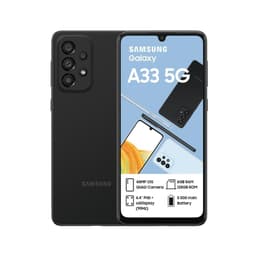

Galaxy A16 5G Vs Galaxy A33 5G

Galaxy A16 5G
Galaxy A16 5G
Starting at

Refurbished price:£103.00

Versus £205.87 new

See options
Galaxy A33 5G
Galaxy A33 5G
Starting at

Refurbished price:£102.00

Versus £389.00 new

See options

Ratings

The Samsung Galaxy A16 5G, released in late 2024, and the Samsung Galaxy A33 5G, launched in early 2022, represent two different eras of Samsung’s popular A-series smartphone lineup. While the Galaxy A16 5G is a more recent entry-level model designed for longevity and modern aesthetics, the Galaxy A33 5G was originally positioned as a mid-range device with several premium features that were uncommon for its category at the time. Both devices operate on the Android platform with Samsung’s One UI interface, providing a consistent and user-friendly software experience across different hardware generations.

The primary differences between these two smartphones lie in their physical dimensions, the duration of software support, and specific hardware inclusions like water resistance and camera stabilization. The Galaxy A16 5G prioritises a large viewing area and an exceptionally long update cycle, whereas the Galaxy A33 5G offers a more compact form factor with more robust environmental protection. Understanding these practical distinctions is essential for users deciding between a newer, larger device and an older, more feature-dense alternative.

Scores

Durability

When evaluating how long these devices will remain functional and secure, there is a clear trade-off between software longevity and physical durability features.

  • Software Support Timeline: The Galaxy A16 5G introduces a significant shift in support, offering six years of operating system and security updates from its release date. This ensures the device remains compatible with the latest apps and protected against security threats until approximately 2030. In contrast, the Galaxy A33 5G follows an older four-year update policy, meaning its official support cycle will conclude much sooner, making the A16 5G a more sustainable choice for long-term use.
  • Environmental Resistance: The Galaxy A33 5G features an IP67 rating, which means it is fully protected against dust and can survive being submerged in shallow water for up to thirty minutes. The Galaxy A16 5G carries a more modest IP54 rating, providing protection against dust and light splashes of water but not full immersion. Users who frequently use their phones near water or in dusty environments may find the older model more resilient.
  • Sustainable Longevity: Both phones are built with repairability in mind, featuring internal layouts that allow for battery and screen replacements by qualified technicians. Opting for a quality-assured refurbished option for either model can further extend the practical lifespan of these devices while reducing electronic waste, aligning with eco-friendly consumer habits.

Year of Release

2024

2022

Compatible with latest Update

Yes

Yes

OS

Android

Android

Foldable

No

No

Performance

Performance in daily tasks is influenced by the efficiency of the internal hardware and how well the software manages system resources over time.

  • Daily Task Efficiency: The Galaxy A16 5G utilizes a modern, power-efficient processor that handles everyday activities like social media browsing, video streaming, and document editing with ease. While it is not designed for high-end professional tasks, it maintains a consistent speed for standard applications. The Galaxy A33 5G, despite being older, was equipped with hardware that was quite capable for its time, allowing it to remain responsive for multitasking and moderate gaming even as apps become more demanding.
  • Battery Management: Both smartphones are powered by a 5000mAh battery, which is generally sufficient for a full day of typical use. However, the newer components in the Galaxy A16 5G are designed to consume less power during idle periods, which can result in better standby times for users who do not check their phones constantly. Both support 25W wired charging, allowing for relatively quick power top-ups when needed.
  • Multitasking and Storage: Each device typically starts with 128GB of internal storage and offers a microSD slot for expansion, which is ideal for users with large photo libraries. The Galaxy A33 5G often features slightly more efficient memory management for keeping multiple apps open in the background, whereas the Galaxy A16 5G focuses on maintaining a smooth experience for the primary app currently in use.

Memory (GB)

4 GB

6 GB

Screen quality

The display is the most frequent point of interaction, and these two models offer different viewing experiences based on size and brightness.

  • Display Size and Immersion: The Galaxy A16 5G features a large 6.7-inch screen, providing an expansive canvas for watching videos or reading long articles. This makes it well-suited for users who prefer a more cinematic experience. The Galaxy A33 5G uses a smaller 6.4-inch display, which contributes to a more compact overall device size that is easier to operate with one hand and fits more comfortably in smaller pockets.
  • Visual Clarity and Technology: Both phones utilize Super AMOLED technology, which is known for producing deep blacks and vibrant, punchy colours. They both offer a 90Hz refresh rate, which makes scrolling through menus and web pages appear smoother and more fluid than on standard 60Hz screens. The resolution on both is high enough that text appears sharp and images look detailed at normal viewing distances.
  • Outdoor Legibility: The Galaxy A16 5G has a slightly higher peak brightness capability compared to the older model. This improvement makes the screen easier to read when used outdoors under direct sunlight, reducing the need for users to squint or find shade to see their notifications or maps.

Resolution

1080 x 2340

1080 x 2400

Screen type

Super AMOLED

Super AMOLED

Audiovisual

While both phones can capture clear images in good lighting, the Galaxy A33 5G includes specific hardware that assists with stability and low-light performance.

  • Image Stabilization: A key advantage of the Galaxy A33 5G is the inclusion of optical image stabilization (OIS) on its main 48MP camera. This hardware feature physically moves the lens to compensate for shaky hands, resulting in sharper photos and much smoother video footage. The Galaxy A16 5G features a 50MP main sensor but lacks OIS, meaning users must hold the phone very still to achieve similar results, especially in dimmer environments.
  • Versatile Shooting Modes: Both devices are equipped with ultra-wide lenses for capturing landscapes and macro lenses for close-up photography. The Galaxy A16 5G produces very detailed images in bright daylight with its high-resolution sensor, while the Galaxy A33 5G tends to produce more consistent results across a wider variety of lighting conditions due to its more advanced camera housing.
  • Audio and Media Playback: The Galaxy A33 5G features a stereo speaker system, which provides a more balanced and immersive audio experience when watching movies or playing games without headphones. The Galaxy A16 5G typically relies on a single speaker located at the bottom of the device, which is loud and clear for voice calls but lacks the spatial depth found in the dual-speaker setup of the A33 5G.

Main camera

50 megapixels

48 megapixels

Front camera

13 megapixels

13 megapixels

Miscellaneous

Practical design elements and connectivity standards play a significant role in the daily handling and utility of these smartphones.

  • Physical Design and Handling: The Galaxy A16 5G is taller and thinner, following the latest design trends for a sleek, modern look. The Galaxy A33 5G is shorter and slightly wider, which some users find provides a more secure grip. Both phones are constructed primarily from durable plastic, which is less prone to shattering than glass but can pick up minor scuffs over time if used without a protective case.
  • Biometric Security: The two models use different methods for secure unlocking. The Galaxy A16 5G features a fingerprint sensor integrated into the power button on the side of the frame, which many users find intuitive and fast. The Galaxy A33 5G uses an optical fingerprint sensor located under the display glass, providing a more seamless look on the front of the device.
  • Connectivity and Ports: Both smartphones support 5G connectivity for fast mobile data and include modern Wi-Fi and Bluetooth standards. Neither device features a 3.5mm headphone jack, so users will need to use USB-C adapters or wireless Bluetooth headphones for audio. The Galaxy A16 5G benefits from slightly newer Bluetooth protocols, which can offer more stable connections with the latest wireless accessories.

Weight

200 g

186 g

Screen size (in)

6.7

6.4

Mobile network

5G

5G

SIM card

Dual Physical SIM

Dual Physical SIM

Carrier compatibility

Unlocked

Unlocked

Connector

USB-C

USB-C

In summary, the choice between the Galaxy A16 5G and the Galaxy A33 5G depends largely on whether a user prioritises modern software longevity or specific hardware features. Based on user discussions and community feedback, the Galaxy A16 5G is frequently praised for its expansive screen and the peace of mind provided by its six-year update commitment. However, some users note that its single speaker and lack of water resistance are noticeable trade-offs for a newer device. On the other hand, the Galaxy A33 5G remains a favourite for those who value its superior water resistance rating and the added stability of its OIS-equipped camera, though there are growing concerns about its shorter remaining software support window.

Users who prioritise a large display for media consumption and want a device that will receive the latest features for many years to come will likely find the Galaxy A16 5G to be the better fit for their needs. Conversely, users who lead an active lifestyle and require a phone that can survive accidental drops in water, or those who frequently take handheld photos and videos, may lean toward the Galaxy A33 5G. Both devices represent practical choices for different types of users, and selecting an eco-friendly refurbished model is an excellent way to access these features while supporting a more sustainable electronics lifecycle. Ultimately, the decision rests on which specific set of practical features aligns most closely with your daily habits and environmental requirements.


See all articles

Our recent comparisons