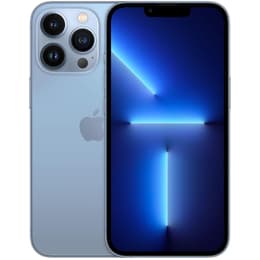

Galaxy A33 5G Vs iPhone 13 Pro

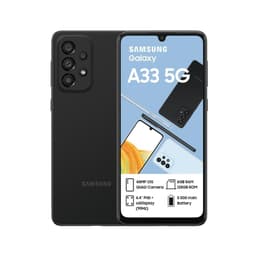
Galaxy A33 5G
Galaxy A33 5G
Starting at

Refurbished price:£102.00

Versus £389.00 new

See options
iPhone 13 Pro
iPhone 13 Pro
Starting at

Refurbished price:£232.00

Versus £949.00 new

See options

Ratings

The Samsung Galaxy A33 5G (2022) and the Apple iPhone 13 Pro (2021) represent two distinct tiers of the smartphone market from the early 2020s. While the Galaxy A33 5G was designed as a versatile mid-range device focusing on essential features and long battery life, the iPhone 13 Pro was Apple's high-end flagship, prioritising professional-grade camera tools and peak processing power.

Both devices remain relevant in 2026, offering 5G connectivity and modern software experiences through Android and iOS respectively. These smartphones cater to different user needs, with one focusing on practical daily reliability and the other on high-performance capabilities for creative and professional tasks.

Scores

Durability

The Galaxy A33 5G and iPhone 13 Pro offer different approaches to longevity, both in their physical construction and their long-term software support cycles.

  • Software Support: Samsung committed to four generations of Android updates for the A33, meaning it remains current with modern features through 2026. The iPhone 13 Pro follows Apple's tradition of long-term support, typically receiving major updates for six to seven years, ensuring it stays functional and secure for a similar timeframe.
  • Build Quality: The iPhone 13 Pro features a stainless steel frame and ceramic-hardened glass, providing a dense, sturdy feel. In contrast, the Galaxy A33 5G uses a reinforced plastic housing which is lighter and often more resilient to minor impacts without cracking, though it lacks the metallic finish of the iPhone.
  • Environmental Protection: Both phones are rated for water and dust resistance, with the iPhone 13 Pro offering slightly deeper submersion protection compared to the Galaxy A33's reliable rating, providing peace of mind against accidental spills or rain.

Year of Release

2022

2021

Compatible with latest Update

Yes

Yes

OS

Android

iOS

Foldable

No

No

Performance

When comparing everyday speed and multitasking, these devices reflect their original market positions as mid-range and flagship models respectively.

  • System Responsiveness: The iPhone 13 Pro handles demanding apps, high-resolution video editing, and intensive gaming with exceptional smoothness. The Galaxy A33 5G provides a reliable experience for standard tasks like social media, web browsing, and streaming, though users may notice slight pauses when switching between many heavy applications.
  • Storage Options: A significant advantage for the Galaxy A33 5G is its expandable storage slot, allowing users to easily add more space for photos and files using a memory card. The iPhone 13 Pro relies on fixed internal storage, which ranges from standard to very high capacities, requiring users to choose their limit at the time of purchase.
  • Battery Behaviour: The Galaxy A33 5G is equipped with a large battery designed to last through two days of light use or a full day of heavy activity. The iPhone 13 Pro uses highly efficient internal management to provide a full day of power, though it may require more frequent charging for power users compared to the Samsung.

Memory (GB)

6 GB

6 GB

Screen quality

The display is a primary point of interaction, and both manufacturers have utilised high-quality panel technology to ensure a clear viewing experience.

  • Display Technology: Both devices feature OLED-based screens, which provide deep blacks and vibrant colours. The iPhone 13 Pro includes technology that allows the screen to refresh up to 120 times per second for smooth scrolling, while the Galaxy A33 5G offers a 90Hz refresh rate that is smoother than standard screens but slightly less fluid than the iPhone.
  • Brightness and Clarity: The iPhone 13 Pro is capable of reaching higher peak brightness, making it easier to read under direct, intense sunlight. The Galaxy A33 5G has a slightly larger 6.4-inch screen compared to the iPhone's 6.1-inch display, offering more surface area for watching videos or reading documents.
  • Visual Comfort: Both phones include software features to reduce blue light and adjust colour temperature based on ambient lighting, helping to reduce eye strain during long periods of use in various environments.

Resolution

1080 x 2400

1170 x 2532

Screen type

Super AMOLED

Super Retina XDR OLED

Audiovisual

For users who prioritise photography and media consumption, the hardware differences between these two devices are quite pronounced in real-world use.

  • Camera Versatility: The iPhone 13 Pro features a triple-camera system with a dedicated telephoto lens for 3x optical zoom, allowing for clear close-ups from a distance. The Galaxy A33 5G uses a quad-camera setup that includes a macro lens for very close-up detail, though it lacks a dedicated zoom lens, relying instead on digital cropping.
  • Video Capabilities: Video recording is a standout feature for the iPhone 13 Pro, which supports professional formats and advanced stabilisation for a cinematic look. The Galaxy A33 5G captures clear 4K video suitable for social sharing and features effective optical stabilisation on its main lens to reduce shakiness in handheld shots.
  • Audio Experience: Both devices have removed the traditional headphone jack, requiring wireless or adapter-based connections. They both feature stereo speakers that provide a balanced sound for media, though the iPhone 13 Pro is often noted for having a fuller, more resonant audio output at higher volumes.

Main camera

48 megapixels

12 megapixels

Front camera

13 megapixels

12 megapixels

Miscellaneous

Practical daily usage is influenced by the physical design and connectivity standards of each device, affecting how they feel in the hand.

  • Biometrics: The Galaxy A33 5G uses a fingerprint sensor built into the display for secure unlocking. The iPhone 13 Pro utilises facial recognition technology, which is fast and secure but requires a clear view of the user's face to function effectively.
  • Charging and Ports: The Galaxy A33 5G uses the widely compatible USB-C standard, making it easy to find cables and accessories. The iPhone 13 Pro uses Apple's proprietary Lightning port, though it also supports convenient magnetic wireless charging for a cable-free experience.
  • Handling: Due to its plastic build, the Galaxy A33 5G is lighter and easier to hold for extended periods. The iPhone 13 Pro is noticeably heavier and more compact, which some users find gives it a more substantial and secure feeling in the hand.

Weight

186 g

203 g

Screen size (in)

6.4

6.1

Mobile network

5G

5G

SIM card

Dual Physical SIM

Physical SIM + eSIM

Carrier compatibility

Unlocked

Unlocked

Connector

USB-C

Lightning

Based on user discussions and long-term reviews, the Galaxy A33 5G is frequently praised for its long-lasting battery life and the flexibility of its expandable storage. Common criticisms often point to its plastic build and occasional performance dips during heavy multitasking. On the other hand, the iPhone 13 Pro is widely lauded for its smooth 120Hz display and its professional-grade camera system, which remains competitive years after release. Some users find the iPhone's weight and the limitations of its fixed storage to be minor drawbacks in an otherwise premium experience.

Choosing between these two depends largely on individual priorities. Users who prioritise a large screen, a battery that can easily last through a long day, and the ability to add more storage as needed may find the Galaxy A33 5G to be a practical and reliable companion. Professionals and creative enthusiasts who require peak performance for gaming, video editing, and high-end photography will likely lean toward the iPhone 13 Pro. Choosing a quality-assured refurbished option for either device is an eco-friendly alternative that provides high-end technology while supporting a more sustainable approach to electronics. Ultimately, both smartphones remain capable and modern options in 2026, offering robust features that cater to different lifestyles and technical needs.

See all articles

Our recent comparisons