
Compare models
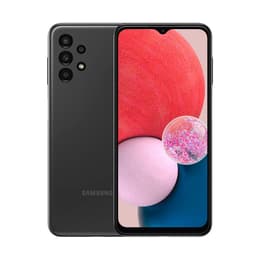
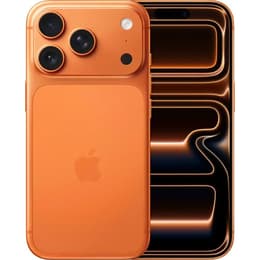
Galaxy A13 Vs iPhone 17 Pro
- 1-year minimum warranty
- Free delivery on all items
- Free 30-day returns
Differences at a glance
The Samsung Galaxy A13 (2022) and the Apple iPhone 17 Pro (2025) are smartphones created during different eras and designed for entirely distinct markets. While both devices provide core mobile connectivity, they diverge sharply in hardware sophistication, software ecosystems, and intended use cases. The Galaxy A13 operates on Android, whereas the iPhone 17 Pro runs Apple's iOS ecosystem.
Available Models
Colour
Storage
Scores
Durability
Evaluating the lifespan and hardware longevity of these two devices reveals major generational gaps in software support and physical design standards.
- Software Support Timeline: The iPhone 17 Pro benefits from Apple's extended update policy, ensuring many years of OS upgrades and security patches, whereas the Galaxy A13 has a more limited remaining support window given its earlier release year.
- Build Durability: The iPhone 17 Pro incorporates reinforced glass and advanced water resistance ratings, while the Galaxy A13 relies on standard plastic construction and basic drop protection.
- Expected Lifespan: Users seeking long-term hardware reliability across evolving software standards will find the newer Apple flagship better equipped for multi-year retention.
Year of Release
2022
2025
Compatible with latest Update
No
Yes
OS
Android
iOS
Foldable
No
No
Performance
Performance capabilities and multitasking behavior differ significantly due to the generation gap between the internal components of each device.
- App Responsiveness and Multitasking: The iPhone 17 Pro handles heavy mobile gaming, complex video editing, and rapid switching between demanding applications smoothly, while the Galaxy A13 is tailored for everyday utilities like web browsing, messaging, and media streaming.
- Storage Configuration: The iPhone 17 Pro starts with higher baseline storage tiers suitable for large media libraries, whereas the Galaxy A13 offers modest entry storage often paired with expandable card slots.
- Battery Efficiency: Both devices manage daily energy use effectively through different hardware architectures, though high-intensity tasks drain the compact flagship faster than casual use taxes the entry-level model.
Screen quality
Display technologies vary greatly, influencing clarity, outdoor visibility, and motion smoothness during media consumption.
- Panel Technology: The iPhone 17 Pro features an advanced OLED display delivering deep contrast levels and high peak brightness for clear outdoor viewing, while the Galaxy A13 uses a standard liquid crystal display panel.
- Refresh Rate and Motion: The iPhone 17 Pro includes an adaptive high refresh rate for smooth scrolling and responsive touch interaction, compared to the standard refresh rate found on the Galaxy A13.
- Viewing Experience: Users prioritizing vibrant media playback and sharp text rendering will notice distinct visual advantages on the flagship screen.
Resolution
1080 x 2408
2622x1206
Screen type
PLS LCD
Super Retina XDR
Audiovisual
Imaging hardware and media recording features reflect the vast pricing and engineering tiers separating these two smartphones.
- Camera Versatility: The iPhone 17 Pro equips a triple-lens system with high-resolution sensors and dedicated optical zoom capabilities, whereas the Galaxy A13 employs a simpler multi-lens setup focused on basic snapshots.
- Low-Light and Video Performance: The iPhone 17 Pro excels in dark environments and supports professional-grade video formats, while the Galaxy A13 performs adequately in bright daylight conditions.
- Audio and Media Output: Stereo speakers on the iPhone 17 Pro deliver robust sound for media playback, contrasting with the single loudspeaker setup on the Galaxy A13.
Main camera
50 megapixels
48 megapixels
Front camera
8 megapixels
18 megapixels
Miscellaneous
Practical daily features, connectivity standards, and physical handling characteristics shape the routine user experience.
- Connectivity Standards: The iPhone 17 Pro supports advanced wireless frequencies including modern Wi-Fi and 5G networks, whereas the Galaxy A13 varies by regional variant regarding high-speed cellular bands.
- Physical Dimensions: The Galaxy A13 offers a lightweight plastic build that is easy to manage, while the iPhone 17 Pro presents a denser, metal-reinforced chassis.
- Authentication Methods: The iPhone 17 Pro utilizes secure facial recognition technology, while the Galaxy A13 incorporates a side-mounted fingerprint sensor embedded in the power button.
Weight
195 g
206 g
Screen size (in)
6.6
6.3
Mobile network
4G
5G
SIM card
Dual Physical SIM
Physical SIM + eSIM
Carrier compatibility
Unlocked
Unlocked
What the community thinks
User community discussions on platforms like Reddit highlight distinct impressions for both models. Owners of the Galaxy A13 frequently praise its dependable battery longevity and straightforward reliability for basic daily communication. Common criticisms note occasional stutter during heavy multitasking and limited gaming capability. Conversely, users of the iPhone 17 Pro frequently commend its exceptional camera versatility, premium screen clarity, and rapid processing speeds, while noting its substantial weight and high entry tier.
Users prioritizing long-term software support, high-end photography, and intensive processing power will find the iPhone 17 Pro well-suited to their needs. Conversely, users seeking a quality-assured refurbished option or a straightforward communication tool for light tasks may prefer the Samsung Galaxy A13. Selecting between these devices depends entirely on balancing daily technical demands with long-term usage expectations.