
Galaxy A16 5G Vs Galaxy A35

Galaxy A16 5G
Galaxy A16 5G
Starting at

Refurbished price:£103.00

Versus £205.87 new

See options
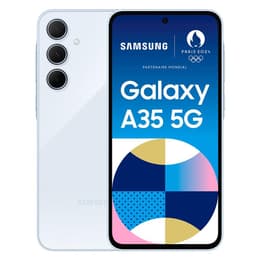
Galaxy A35
Galaxy A35
Starting at

Refurbished price:£119.00

Versus £367.31 new

See options

Ratings

The Samsung Galaxy A16 5G, released in late 2024, and the Samsung Galaxy A35, launched earlier in March 2024, are both mid-range smartphones designed to offer a balanced experience for everyday users. While sharing the Android 14 operating system with Samsung's One UI, they present distinct advantages in areas like software longevity, display technology, and camera capabilities. This comparison aims to highlight the practical differences to help users determine which device best suits their individual needs.

Scores

Durability

When considering the long-term usability of a smartphone, software support and physical resilience are key factors. Both devices offer robust support, though with different timelines, and feature designs aimed at daily use.

  • Software Longevity: The Galaxy A16 5G stands out with an exceptional commitment to software updates, promising six years of major Android OS upgrades and security patches, extending its support until October 2030. In contrast, the Galaxy A35 offers four years of OS updates and five years of security updates. This means the A16 5G will receive software support for a longer duration.
  • Physical Durability: The Galaxy A35 features a more advanced IP67 rating, indicating strong resistance to dust and water immersion. Its display is also protected by Gorilla Glass Victus+. The Galaxy A16 5G, while still offering protection, comes with an IP54 rating, providing splash and dust resistance. Both devices feature plastic frames and backs, with the A16 5G utilizing a 'Glastic' material.
  • Repairability and Lifespan: Both models are designed for a practical lifespan, benefiting from Samsung's widespread service network. The extended software support of the A16 5G could translate to a longer period of optimal functionality, even if its physical protection is slightly less robust than the A35.

Year of Release

2024

2024

Compatible with latest Update

Yes

Yes

OS

Android

Android

Foldable

No

No

Performance

The performance of a smartphone impacts everything from app loading times to multitasking efficiency and gaming. Both the Galaxy A16 5G and Galaxy A35 are equipped to handle daily tasks, but they differ in their processing power and memory configurations.

  • Processing Power: The Galaxy A35 is powered by a processor that generally offers a more capable experience, resulting in smoother operation for demanding applications and more consistent performance during extended use. The Galaxy A16 5G's processor is well-suited for basic activities like social media, streaming, and light multitasking, but power users might notice limitations with more intensive tasks.
  • Multitasking and Storage: The Galaxy A35 typically comes with higher RAM configurations, often starting at 6GB or 8GB, which contributes to more fluid multitasking and app switching. The Galaxy A16 5G is available with various RAM options, including 4GB in some regions, which can lead to occasional stutters when many apps are open simultaneously. Both devices offer 128GB or 256GB of internal storage, expandable via a microSD card, providing ample space for apps and media.
  • Battery Behavior: Both smartphones are equipped with a 5000mAh battery, supporting 25W fast charging. Users of both devices generally report a full day of moderate to heavy use, with some A35 users experiencing up to a day and a half on lighter usage. Neither device supports wireless charging.

Memory (GB)

4 GB

6 GB

Screen quality

The display is a primary interface for any smartphone, influencing everything from media consumption to daily navigation. Both the Galaxy A16 5G and Galaxy A35 feature vibrant Super AMOLED panels, but with key differences in smoothness and overall viewing experience.

  • Display Technology and Clarity: Both devices utilize Super AMOLED display technology, known for its deep blacks and vibrant colors, offering a rich visual experience. They both feature FHD+ resolution (2340x1080 pixels), ensuring sharp images and text.
  • Refresh Rate and Brightness: The Galaxy A35 offers a smoother visual experience with its 120Hz refresh rate, making scrolling and animations appear more fluid. The Galaxy A16 5G features a 90Hz refresh rate, which is still an improvement over standard 60Hz displays but less fluid than the A35. For outdoor visibility, the A16 5G has a peak brightness of 800 nits, which can be challenging in direct sunlight. The A35's display is generally considered bright enough for outdoor use, though some users note colors can appear washed out in direct sunlight.
  • Screen Size and Design: The Galaxy A16 5G has a slightly larger 6.7-inch display, while the Galaxy A35 features a 6.6-inch screen. The A35 also features a punch-hole cutout for the front camera, while the A16 5G may feature a notch, which can make the front of the device look a bit dated to some users.

Resolution

1080 x 2340

1080 x 2340

Screen type

Super AMOLED

Super AMOLED

Audiovisual

Camera capabilities are a significant consideration for many users, and both the Galaxy A16 5G and Galaxy A35 offer versatile camera systems, though with notable distinctions in video recording and secondary lenses.

  • Main Camera Performance: Both smartphones feature a 50-megapixel main rear camera, capable of capturing detailed and vibrant photos in good lighting conditions. The Galaxy A35's main camera benefits from Optical Image Stabilization (OIS), which helps reduce blur in photos and videos, especially in challenging conditions.
  • Secondary Lenses and Features: The Galaxy A35 includes an 8-megapixel ultrawide camera and a 5-megapixel macro lens. The Galaxy A16 5G also has a 5-megapixel ultrawide and a 2-megapixel macro lens. User feedback suggests that the ultrawide and macro lenses on both devices, particularly the A16 5G's 2MP macro, are often considered less impactful than the main sensor, with some users finding them borderline unusable in certain conditions.
  • Video Recording and Selfie Camera: A key difference lies in video capabilities. The Galaxy A35 supports 4K video recording at 30 frames per second with both its main and front-facing 13-megapixel cameras. The Galaxy A16 5G, also with a 13-megapixel front camera, is limited to Full HD (1080p) video recording at 30 frames per second.

Main camera

50 megapixels

50 megapixels

Front camera

13 megapixels

13 megapixels

Miscellaneous

Beyond core features, several practical elements contribute to the overall user experience, including connectivity, physical design, and security features.

  • Connectivity and Ports: Both devices support 5G connectivity, ensuring access to faster mobile networks. They both include USB Type-C ports for charging and data transfer, Bluetooth 5.3, and NFC for contactless payments. The Galaxy A35 further enhances its connectivity with Wi-Fi 6 support, offering potentially faster and more stable wireless internet connections compared to the A16 5G's Wi-Fi. Both are dual SIM compatible.
  • Security and Sensors: The Galaxy A35 features an optical fingerprint scanner integrated into the display for secure unlocking. The Galaxy A16 5G also includes a fingerprint sensor, typically side-mounted. Both offer face recognition.
  • Physical Design and Handling: The Galaxy A16 5G is slightly taller and wider at 164.4 x 77.9 x 7.9 mm, weighing around 200g. The Galaxy A35 is marginally more compact at 161.7 x 78.0 x 8.2 mm and weighs 209g. Both are considered large phones, and their plastic construction contributes to a comfortable grip, though the A35's Gorilla Glass Victus+ front offers a more premium feel and enhanced scratch resistance.

Weight

200 g

209 g

Screen size (in)

6.7

6.6

Mobile network

5G

5G

SIM card

Dual Physical SIM

Dual Physical SIM

Carrier compatibility

Unlocked

Unlocked

Connector

USB-C

USB-C

The Samsung Galaxy A16 5G and Galaxy A35 cater to slightly different user priorities within the mid-range smartphone segment. User feedback for the Galaxy A16 5G often praises its exceptional software support, with a commitment to updates until 2030, making it a compelling choice for those seeking long-term software longevity. Its main camera performs well in good lighting, and the display is generally vibrant for indoor use. However, some users have noted occasional performance stutters with the base RAM configurations and limitations in low-light photography and video recording.

The Galaxy A35, on the other hand, receives commendation for its smoother 120Hz display, more capable processor for demanding tasks, and the ability to record 4K video with both its main and front cameras. Its IP67 rating and Gorilla Glass Victus+ front also offer enhanced physical durability. Common criticisms include occasional lag when launching heavy applications and the macro lens being less useful in practice.

Users prioritizing maximum software longevity and a slightly larger screen for everyday browsing and media consumption may find the Galaxy A16 5G well-suited to their needs. Conversely, individuals who value a smoother display, more robust performance for gaming and heavier apps, superior video recording capabilities, and enhanced water and dust resistance will likely lean towards the Galaxy A35. Both devices represent solid choices, and opting for a quality-assured refurbished option can be an eco-friendly alternative for either model.


See all articles

Our recent comparisons