
Microsoft Surface Laptop 3 13" Vs Microsoft Surface Pro 9 13"

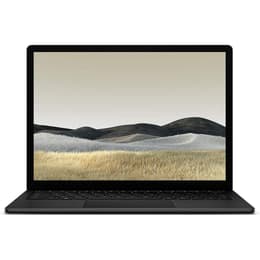
Microsoft Surface Laptop 3 13"
Starting at

Refurbished price:£215.00

Versus £598.29 new

See options
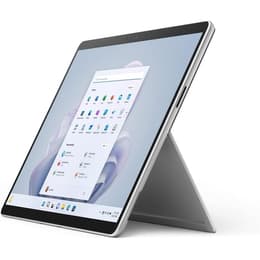
Microsoft Surface Pro 9 13"
Starting at

Refurbished price:£813.00

Versus £1,579.00 new

See options

The Microsoft Surface Laptop 3 13-inch, released in October 2019, is a traditional clamshell laptop designed for productivity. In contrast, the Microsoft Surface Pro 9 13-inch, launched in October 2022, offers a versatile 2-in-1 detachable tablet experience. While both devices run on the Windows operating system and feature a 13-inch class display, their core design philosophies and hardware generations present distinct usage scenarios for different users.

Scores

Durability

When considering the long-term usability of these devices, their release timelines and design for longevity are key factors.

  • Release Timeline: The Surface Laptop 3 was introduced in October 2019, making it an older generation device compared to the Surface Pro 9, which debuted in October 2022. This three-year difference in release impacts expected software support and hardware relevance.
  • OS Support: The Surface Laptop 3 originally shipped with Windows 10 and is upgradable to Windows 11. The Surface Pro 9 comes pre-installed with Windows 11, ensuring it benefits from the latest operating system features and security updates for a longer period. Both devices are expected to receive Windows updates for several years, but the Pro 9's newer launch date provides an extended timeline for official support.
  • Repairability: The Surface Laptop 3's solid-state drive (SSD) is designed to be removable, though it requires a skilled technician to access and replace it. The Surface Pro 9 features a more repairable design, with many components, including the SSD, being replaceable by authorized service providers or skilled technicians, which can contribute to a longer practical lifespan.

Performance

The performance capabilities of these two devices reflect their different generations and design priorities, impacting how they handle daily tasks and demanding applications.

  • Processor Capabilities: The Surface Laptop 3 is equipped with 10th-generation Intel Core processors, which provide solid performance for everyday computing, web browsing, and office applications. The Surface Pro 9, being a newer device, features 12th-generation Intel Core processors or the ARM-based Microsoft SQ3 processor. The Intel variants of the Pro 9 offer a notable increase in processing power, handling demanding apps and multitasking more smoothly, particularly with its hybrid core architecture. The SQ3 processor in some Pro 9 models is optimized for energy efficiency and specific Windows on ARM applications, offering a different performance profile.
  • Multitasking and Responsiveness: With its newer processor architecture and faster RAM options (LPDDR5 in Intel Pro 9 models compared to LPDDR4X in Laptop 3), the Surface Pro 9 generally provides a more responsive experience, especially when running multiple applications simultaneously or handling complex workloads. The Surface Laptop 3 remains capable for general use, but users engaging in more intensive tasks like video editing or advanced data analysis may notice the performance difference.
  • Battery Behavior: The Surface Laptop 3 offers up to 11.5 hours of typical device usage. The Surface Pro 9, depending on the processor, provides up to 15.5 hours with Intel processors and up to 19 hours with the SQ3 processor, indicating a significant improvement in battery longevity for extended use away from a power source. Both support fast charging.

Memory (GB)

8 GB

8 GB

Processor

Core i5 - Gen 10 (G7)

Core i5-1235U

Graphic card

Integrated Graphics

Integrated Graphics

Screen quality

Both devices feature high-quality displays, but the Surface Pro 9 introduces several advancements that enhance the visual experience.

  • Display Technology and Resolution: Both the Surface Laptop 3 and Surface Pro 9 utilize Microsoft's PixelSense display technology with a 3:2 aspect ratio, which is well-suited for productivity tasks by offering more vertical screen space. The Surface Laptop 3 has a 13.5-inch display with a resolution of 2256 x 1504 pixels (201 PPI). The Surface Pro 9 features a slightly smaller 13-inch PixelSense Flow Display with a higher resolution of 2880 x 1920 pixels (267 PPI), resulting in sharper text and more detailed images.
  • Brightness and Clarity: Both displays offer good brightness levels suitable for indoor and some outdoor use. The Surface Pro 9's display includes Adaptive Color technology and supports sRGB and Vivid color profiles, contributing to a more dynamic and accurate visual output.
  • Refresh Rate: A key differentiator is the refresh rate. The Surface Laptop 3 has a standard refresh rate. The Surface Pro 9 features a dynamic refresh rate of up to 120Hz, which provides smoother scrolling and a more fluid visual experience, particularly noticeable during fast-paced content or pen input.

Audiovisual

The audio and visual capabilities, particularly the cameras and microphones, show a generational leap from the Surface Laptop 3 to the Surface Pro 9.

  • Camera System: The Surface Laptop 3 includes a 720p HD front-facing camera, suitable for basic video calls. The Surface Pro 9 significantly upgrades this with a 1080p Full HD front-facing camera and adds a 10.0MP rear-facing autofocus camera capable of 1080p HD and 4K video recording, making it more versatile for photography and higher-quality video conferencing.
  • Microphone Quality: Both devices feature dual far-field Studio Microphones, designed to capture clear audio and reduce background noise during calls and recordings. The Surface Pro 9 with the SQ3 processor further enhances this with Windows Studio Effects, including Voice Focus, which can improve voice clarity in noisy environments.
  • Speaker Output: Both models are equipped with Omnisonic Speakers with Dolby Audio, providing a good audio experience for media consumption and video calls. The Surface Pro 9's speakers also support Dolby Atmos, offering a more immersive sound experience with compatible content.

Miscellaneous

Beyond core performance, several practical elements distinguish these two Surface devices, influencing their daily utility and connectivity.

  • Connectivity Options: The Surface Laptop 3 supports Wi-Fi 6 (802.11ax) and Bluetooth 5.0. The Surface Pro 9 steps up to Wi-Fi 6E, offering access to a less congested 6GHz band for potentially faster and more stable wireless connections, and Bluetooth 5.1. Additionally, the SQ3 models of the Surface Pro 9 offer optional 5G connectivity, providing always-on internet access for mobile professionals.
  • Port Types: The Surface Laptop 3 includes one USB-C 3.1 Gen 2 port, one USB-A port, a 3.5mm headphone jack, and a Surface Connect port. The Surface Pro 9 (Intel models) features two USB-C ports with USB 4.0/Thunderbolt 4 capabilities, offering significantly faster data transfer speeds and broader peripheral compatibility, alongside a Surface Connect port. However, the Surface Pro 9 notably omits the traditional 3.5mm headphone jack.
  • Weight and Dimensions: The Surface Laptop 3 13-inch weighs between 1.25 kg and 1.29 kg (2.76 to 2.84 lbs) and has dimensions of 308 x 223 x 14.5 mm (12.1 x 8.8 x 0.57 inches). The Surface Pro 9 is lighter and thinner, weighing approximately 879 g (1.94 lbs) and measuring 287 x 209 x 9.3 mm (11.3 x 8.2 x 0.37 inches) without the keyboard, emphasizing its portability as a tablet.

Screen size

13

13

The Microsoft Surface Laptop 3 13-inch and Surface Pro 9 13-inch cater to different user needs, primarily distinguished by their form factor, release generation, and feature sets. Users often praise the Surface Laptop 3 for its traditional laptop design, comfortable keyboard, and solid build quality, making it a reliable choice for everyday productivity in a conventional clamshell format. Common criticisms for the Laptop 3 often point to its older processor generation and the absence of Thunderbolt ports, which limit its modern connectivity and raw performance compared to newer devices.

The Surface Pro 9, on the other hand, is frequently lauded for its exceptional versatility as a 2-in-1 device, offering the flexibility of a tablet with the power of a laptop when paired with its optional keyboard. Its vibrant 120Hz display, improved cameras, and advanced connectivity options like Thunderbolt 4 (on Intel models) and optional 5G (on SQ3 models) are significant advantages. However, users sometimes note the absence of a headphone jack and the fact that essential accessories like the keyboard and pen are sold separately, adding to the overall setup. The performance of the SQ3 model, while efficient, may also be a point of consideration for users requiring maximum application compatibility or raw processing power.

Users prioritizing a classic laptop experience with a comfortable, fixed keyboard and a good balance of features for general tasks may find the Surface Laptop 3 well-suited to their needs. Its robust build and familiar form factor are ideal for those who prefer a dedicated laptop. Conversely, users who value maximum flexibility, a superior display for creative work or media consumption, and cutting-edge connectivity will likely lean towards the Surface Pro 9. Its detachable design makes it an excellent choice for professionals, students, or travelers who need a device that can adapt to various environments and workflows.

For those considering either device, exploring quality-assured refurbished options can provide an eco-friendly alternative, offering access to these capable machines while extending their lifecycle.

See all articles

Our recent comparisons