
Dell Latitude 5420 14" Vs Microsoft Surface Pro 9 13"

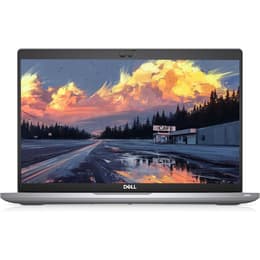
Dell Latitude 5420 14"
Starting at

Refurbished price:£204.00

Versus £546.18 new

See options
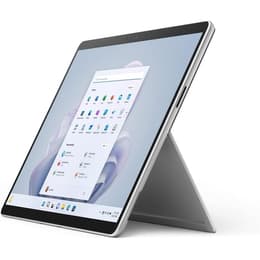
Microsoft Surface Pro 9 13"
Starting at

Refurbished price:£813.00

Versus £1,579.00 new

See options

The Dell Latitude 5420, released in 2021, is a traditional business laptop designed for productivity and reliability. In contrast, the Microsoft Surface Pro 9, launched in October 2022, offers a versatile 2-in-1 detachable tablet experience. These devices cater to different user preferences, with the Latitude focusing on a conventional laptop form factor and extensive connectivity, while the Surface Pro emphasizes portability, touch interaction, and a flexible design. Both run on the Windows operating system, but their core functionalities and design philosophies diverge significantly.

Scores

Durability

When considering the longevity of these devices, both offer robust platforms, but their form factors and release timelines present different expectations for practical lifespan and software support.

  • Release Timeline and Age: The Dell Latitude 5420 was released in 2021, making it slightly older than the Microsoft Surface Pro 9, which debuted in late 2022. This difference means the Surface Pro 9 may receive software updates for a longer period.
  • OS Support Duration: Both devices run Windows, ensuring a consistent update policy from Microsoft. However, the Surface Pro 9, being a newer model, is likely to benefit from an extended period of feature and security updates compared to the Latitude 5420.
  • Repairability and Build: The Dell Latitude 5420 features a carbon fiber and magnesium reinforced chassis, contributing to its robust and durable feel. The Surface Pro 9, while also well-built with an aluminum body, is a more compact and integrated design, which can sometimes influence the ease of component repair or replacement.

Performance

Performance capabilities vary between these two devices, largely influenced by their design and target use cases, impacting how they handle daily tasks and more demanding applications.

  • Processor Capabilities: The Dell Latitude 5420 is equipped with 11th Generation Intel Core processors, providing solid performance for typical business applications and multitasking. The Microsoft Surface Pro 9, being newer, features 12th Generation Intel Core processors in its standard configurations, offering a performance uplift for more intensive tasks. Some Surface Pro 9 models also offer an ARM-based processor, which prioritizes energy efficiency and 5G connectivity over raw processing power.
  • Multitasking and Responsiveness: The Latitude 5420 supports up to 64GB of DDR4 RAM, allowing for extensive multitasking and smooth operation across numerous applications. The Surface Pro 9 offers up to 32GB of LPDDR5 RAM in its Intel configurations, which is also ample for demanding workloads and contributes to overall system responsiveness.
  • Storage Options: Both devices utilize fast M.2 PCIe NVMe SSDs, ensuring quick boot times and rapid file access. Storage options range from 256GB to 1TB for the Latitude 5420 and 128GB to 1TB for the Surface Pro 9, with the Surface Pro 9's SSD being user-removable for potential upgrades or data security.

Memory (GB)

8 GB

8 GB

Processor

Core i5-1145G7

Core i5-1235U

Graphic card

Intel Iris Xe Graphics

Integrated Graphics

Screen quality

The visual experience on these two devices presents distinct characteristics, primarily due to differences in display technology, resolution, and form factor.

  • Display Technology and Resolution: The Dell Latitude 5420 typically features a 14-inch Full HD (1920 x 1080) IPS display, often with an anti-glare coating, suitable for extended work sessions. The Microsoft Surface Pro 9 boasts a 13-inch PixelSense Flow display with a higher resolution of 2880 x 1920, resulting in a sharper image and greater detail.
  • Brightness and Refresh Rate: The Latitude 5420's display brightness can vary, with some configurations offering up to 400 nits, and a standard 60Hz refresh rate. The Surface Pro 9 offers a brighter display, reaching up to 454 nits, and features a dynamic 120Hz refresh rate, providing smoother scrolling and a more fluid visual experience, especially with pen input.
  • Aspect Ratio and Viewing Experience: The Latitude 5420 uses a traditional 16:9 aspect ratio, common for laptops. The Surface Pro 9 employs a 3:2 aspect ratio, which offers more vertical screen real estate, beneficial for document work and web browsing, making it feel more expansive despite its slightly smaller diagonal size.

Audiovisual

Both devices integrate camera and audio systems designed for communication and media consumption, though with varying levels of sophistication and features.

  • Camera System Capabilities: The Dell Latitude 5420 includes a Full HD IR webcam, often with a privacy shutter, suitable for video conferencing and secure logins. The Microsoft Surface Pro 9 features a 1080p Full HD front-facing camera (5MP) for video calls and Windows Hello facial recognition, complemented by a 10.0MP rear-facing autofocus camera capable of 1080p HD and 4K video recording, offering more versatility for capturing images and video.
  • Microphone and Speaker Quality: The Latitude 5420 provides standard microphone and speaker setups for business use. The Surface Pro 9 is equipped with dual far-field Studio Mics, designed to capture clear audio during calls, and 2W stereo speakers with Dolby Atmos support, enhancing the media consumption experience.
  • Video Features: The Surface Pro 9, particularly with its SQ3 processor models, includes Windows Studio Effects like Eye Contact, Portrait Background Blur, and Automatic Framing, which can enhance video call quality.

Miscellaneous

Beyond core performance and display, several practical elements differentiate these two devices, influencing their usability in various scenarios.

  • Connectivity Options: The Dell Latitude 5420 offers a comprehensive array of ports, including two Thunderbolt 4 (USB-C) ports, two USB-A 3.2 Gen 1 ports, HDMI 2.0, an RJ-45 Ethernet port, a 3.5mm audio jack, and a microSD card reader, along with optional Smart Card and microSIM slots for extensive connectivity. The Microsoft Surface Pro 9 provides two USB-C ports (Thunderbolt 4 on Intel models, USB 3.2 on SQ3 models), a Surface Connect port, and a Surface Keyboard port, but notably lacks a traditional USB-A port or a headphone jack on some configurations.
  • Weight and Dimensions: The Latitude 5420 is a 14-inch laptop starting at approximately 1.37 kg (3.03 lbs), offering a traditional clamshell design. The Surface Pro 9, as a 13-inch tablet, is significantly lighter at around 879g (1.94 lbs) for the tablet only, emphasizing its portability and 2-in-1 versatility.
  • Security and Biometrics: Both devices support Windows Hello for secure login, with the Latitude 5420 featuring a fingerprint reader and IR facial recognition, and the Surface Pro 9 offering facial recognition. The Latitude also includes a Kensington Lock slot and a webcam privacy shutter for physical security.

Screen size

14

13

The Dell Latitude 5420 and Microsoft Surface Pro 9 cater to distinct user needs, each excelling in different areas. Users frequently praise the Latitude 5420 for its robust build quality, extensive port selection, and comfortable keyboard, making it a reliable workhorse for traditional office environments. It is often seen as a solid business-grade laptop that can withstand daily use and offers good upgradeability for RAM and storage. However, some users have noted concerns regarding its touchpad performance and inconsistent battery life, particularly with smaller battery configurations.

The Microsoft Surface Pro 9, on the other hand, receives high marks for its vibrant, high-resolution 120Hz display and its versatile 2-in-1 form factor, which is ideal for those who value touch interaction, pen input, and portability. Its strong camera system and enhanced audio features are also frequently highlighted. Common criticisms include battery life often falling short of advertised figures, the necessity of purchasing the keyboard and pen separately, and the absence of a headphone jack on some models.

Users prioritizing a traditional laptop experience with a wide range of connectivity options, a durable chassis, and potential for internal upgrades may find the Dell Latitude 5420 well-suited to their needs. This device is particularly beneficial for professionals who require a stable platform for demanding office tasks and prefer a physical Ethernet port or multiple USB-A connections. Conversely, individuals who value extreme portability, a high-quality touchscreen for creative work or note-taking, and the flexibility of a tablet-laptop hybrid will likely lean towards the Microsoft Surface Pro 9. Its superior display and advanced camera features make it a strong contender for those engaged in visual tasks or frequent video conferencing.

Both models are available as quality-assured refurbished options, providing an eco-friendly alternative for consumers seeking reliable technology.


See all articles

Our recent comparisons