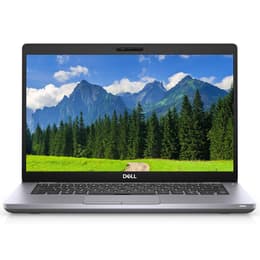
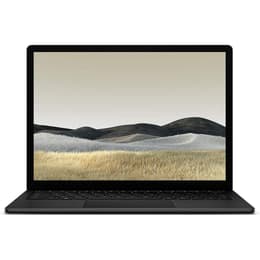
Dell Latitude 5410 14" Vs Microsoft Surface Laptop 3 13"

Dell Latitude 5410 14"
Starting at

Refurbished price:£167.00

Versus £397.19 new

See options
Microsoft Surface Laptop 3 13"
Starting at

Refurbished price:£215.00

Versus £598.29 new

See options

Ratings

The Dell Latitude 5410, released in October 2020, and the Microsoft Surface Laptop 3 13-inch, launched in October 2019, are both Windows-based laptops designed for productivity and everyday use. While the Latitude 5410 emphasizes business-oriented features and upgradeability, the Surface Laptop 3 focuses on a premium design and a high-resolution display. Both devices run on the Windows operating system, offering a familiar user experience, but cater to slightly different priorities in their design and functionality.

Scores

Durability

When considering the long-term usability of these laptops, their release timelines and design philosophies offer different expectations for longevity.

  • Release and Software Support: The Dell Latitude 5410, being a business-focused laptop from late 2020, typically benefits from Dell's extended support for drivers and enterprise features. The Microsoft Surface Laptop 3, released a year earlier in late 2019, also receives consistent software updates from Microsoft, ensuring continued compatibility with the latest Windows features and security patches. Both devices are expected to support current Windows versions for several more years.
  • Repairability and Upgradability: The Dell Latitude 5410 is designed with a degree of user serviceability, featuring two SODIMM slots for RAM upgrades and an M.2 slot for storage, with some configurations even supporting a 2.5-inch SATA drive. In contrast, the Surface Laptop 3's RAM is soldered, but its SSD is designed to be removable by a skilled technician, a significant improvement over previous Surface models, earning it a 5/10 repairability score from iFixit.
  • Practical Lifespan: Both laptops offer robust build quality suitable for daily use. The Latitude 5410's more modular design might offer a slight edge for those who prefer to extend their device's life through component upgrades, while the Surface Laptop 3's integrated design prioritizes a sleek form factor.

Year of Release

2019

2019

OS

Windows 11

Windows 11

Performance

Both laptops are equipped to handle common daily tasks, but their internal configurations and design choices lead to variations in overall responsiveness and multitasking capabilities.

  • Processor Capabilities: The Dell Latitude 5410 features 10th Generation Intel Core processors (Comet Lake-U), providing reliable performance for office applications, web browsing, and moderate multitasking. The Microsoft Surface Laptop 3 13-inch also uses 10th Generation Intel Core processors (Ice Lake), which offer efficient performance for similar workloads, with some configurations benefiting from enhanced integrated graphics for slightly more demanding visual tasks.
  • System Responsiveness and Multitasking: The Latitude 5410 can be configured with up to 64GB of DDR4 RAM, and its dual SODIMM slots allow for future memory upgrades, which can significantly impact performance during heavy multitasking or when running multiple demanding applications. The Surface Laptop 3 comes with 8GB or 16GB of LPDDR4x RAM, which is soldered and not user-upgradeable, meaning its multitasking capacity is fixed at the time of purchase.
  • Storage Speed: Both devices utilize fast M.2 PCIe NVMe SSDs for quick boot times and application loading. The Surface Laptop 3's SSD is noted for its speed, contributing to its overall snappy feel.

Memory (GB)

8 GB

8 GB

Processor

Core i5 - Gen 10 (U)

Core i5 - Gen 10 (G7)

Graphic card

Integrated Graphics

Integrated Graphics

Screen quality

The visual experience on these two laptops presents distinct characteristics, primarily due to differences in display technology, resolution, and aspect ratio.

  • Display Technology and Resolution: The Dell Latitude 5410 features a 14-inch Full HD (1920 x 1080) IPS anti-glare display. This resolution provides clear visuals for productivity tasks and reduces reflections in bright environments. The Microsoft Surface Laptop 3 13-inch, on the other hand, boasts a 13.5-inch PixelSense touchscreen with a higher resolution of 2256 x 1504 pixels, resulting in a sharper image with 201 pixels per inch.
  • Aspect Ratio and Viewing Experience: The Latitude 5410 uses a traditional 16:9 aspect ratio, common for media consumption. The Surface Laptop 3 features a 3:2 aspect ratio, which offers more vertical screen real estate, making it well-suited for document editing, web browsing, and other productivity tasks by displaying more content without scrolling.
  • Brightness and Clarity: The Latitude 5410 typically offers brightness levels between 220 and 300 nits. The Surface Laptop 3's PixelSense display offers a peak brightness of 400 nits and a 1400:1 contrast ratio, providing vibrant colors and good visibility, even in moderately bright conditions.

Audiovisual

Both laptops include integrated audio and visual components for communication and media consumption, with some differences in their capabilities.

  • Webcam Quality: The Dell Latitude 5410 is equipped with a 720p webcam, which includes a privacy shutter for enhanced security. The Microsoft Surface Laptop 3 also features a 720p HD f2.0 camera, and importantly, it integrates a Windows Hello facial-recognition camera for convenient and secure login.
  • Microphone and Speaker Performance: The Latitude 5410 includes an integrated microphone and dual 2W speakers. The Surface Laptop 3 features dual far-field Studio Mics, designed to capture voice clearly during calls, and Omnisonic Speakers with Dolby Audio, which are discreetly hidden under the keyboard and provide good sound quality for a laptop.
  • Video Recording Features: Both devices offer standard video recording capabilities suitable for virtual meetings and casual use. The Surface Laptop 3's enhanced microphone array may offer a slight advantage for clearer audio in video calls.

Miscellaneous

Beyond core performance, several practical elements differentiate these two laptops, impacting their daily usability and connectivity.

  • Connectivity Options: The Dell Latitude 5410 offers comprehensive connectivity, including Wi-Fi 6 (AX201) and Bluetooth 5.1, along with a dedicated RJ45 Ethernet port for wired network connections. The Microsoft Surface Laptop 3 13-inch also supports Wi-Fi 6 (AX201) and Bluetooth 5.0, but lacks a built-in Ethernet port.
  • Port Selection: The Latitude 5410 provides a wide array of ports, including three USB 3.2 Gen 1 Type-A ports, one USB 3.2 Gen 2 Type-C port (with DisplayPort Alt Mode and Power Delivery, and optional Thunderbolt 3 support), HDMI 1.4b, and a microSD card reader. The Surface Laptop 3 has a more minimalist selection, with one USB-A port, one USB-C port (3.1 Gen 2 with Power Delivery and DisplayPort), a 3.5mm headphone jack, and a Surface Connect port for charging and docking. It does not include Thunderbolt 3.
  • Design and Build: The Latitude 5410 is a business-oriented laptop, weighing around 1.47 kg and featuring a design that incorporates post-industrial carbon fiber and recycled materials. The Surface Laptop 3 is lighter at approximately 1.29 kg and offers a premium, sleek design with options for an all-metal chassis or an Alcantara fabric keyboard deck.

Weight

3000 g

3000 g

Screen size

14

13

The Dell Latitude 5410 and Microsoft Surface Laptop 3 13-inch each offer a compelling package, but cater to different user preferences and needs. User feedback often praises the Latitude 5410 for its robust build, extensive port selection, and upgradeability, making it a practical choice for professionals who require diverse connectivity and the ability to extend their device's lifespan through component upgrades. Some users might find its design less aesthetically refined compared to consumer-focused laptops.

The Surface Laptop 3 is frequently lauded for its elegant design, high-resolution PixelSense display with a productivity-friendly 3:2 aspect ratio, and comfortable keyboard and trackpad. Common criticisms sometimes point to its more limited port selection and the non-upgradeable RAM.

Users prioritizing a highly portable device with a premium aesthetic, a sharp touchscreen, and a focus on a streamlined experience may find the Microsoft Surface Laptop 3 13-inch well-suited to their needs. Its Windows Hello facial recognition also adds a layer of convenience. Conversely, individuals who require extensive physical ports, the flexibility of RAM upgrades, and a more traditional business laptop feel will likely lean towards the Dell Latitude 5410. Both models are available as quality-assured refurbished options, providing an eco-friendly alternative for those seeking reliable performance.
See all articles

Our recent comparisons