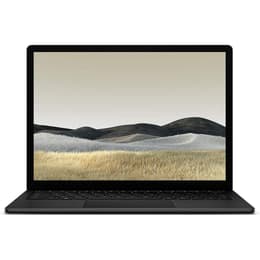
Dell Latitude 7490 14" Vs Microsoft Surface Laptop 3 13"

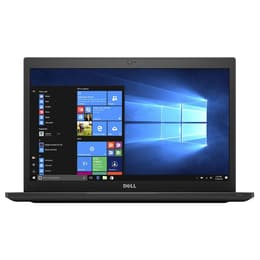
Dell Latitude 7490 14"
Starting at

Refurbished price:£204.00

Versus £864.72 new

See options
Microsoft Surface Laptop 3 13"
Starting at

Refurbished price:£215.00

Versus £598.29 new

See options

Ratings

The Dell Latitude 7490, released in 2018, and the Microsoft Surface Laptop 3 13, launched in late 2019, are both portable computing devices designed for productivity. While the Latitude 7490 emphasizes business-oriented features and extensive connectivity, the Surface Laptop 3 13 focuses on a sleek design and a premium user experience. Both run on the Windows operating system, offering a familiar software environment for a wide range of tasks.

Scores

Durability

These laptops, originating from 2018 and 2019 respectively, offer different expectations regarding their practical lifespan and ongoing support.

  • Release Timeline: The Dell Latitude 7490 was introduced in 2018, making it an older model compared to the Microsoft Surface Laptop 3 13, which debuted in late 2019. This age difference impacts their remaining software support window.
  • Software Longevity: Both devices are capable of running Windows 10 and are generally upgradable to Windows 11. However, the Surface Laptop 3, being newer, is likely to receive official Windows updates and security patches for a longer duration than the Latitude 7490. [1, 6]
  • Repairability and Upgradability: The Latitude 7490 is known for its user-friendly design, allowing for straightforward upgrades of RAM and storage, and its battery is user-replaceable. [8, 10, 12] In contrast, the Surface Laptop 3's RAM is soldered, and while its SSD is technically removable, it requires a skilled technician and is not designed for user upgrades. [6, 11, 15] This difference means the Dell model offers more flexibility for extending its practical lifespan through component upgrades.

Year of Release

2017

2019

OS

Windows 11

Windows 11

Performance

The core performance of these laptops is influenced by their internal components, affecting how they handle daily computing tasks and multitasking.

  • Processor Capabilities: The Dell Latitude 7490 typically features 7th or 8th generation Intel Core processors, providing solid performance for office applications, web browsing, and moderate multitasking. [2, 3, 4] The Microsoft Surface Laptop 3 13, equipped with 10th generation Intel Core processors, offers a noticeable step up in processing power, leading to snappier responsiveness and improved efficiency for demanding applications. [1, 6, 9, 11]
  • Memory and Storage: The Latitude 7490 supports up to 32GB of DDR4 RAM across two slots, allowing users to expand memory for more intensive multitasking. Its storage options include M.2 SATA or NVMe PCIe SSDs, which are also user-upgradable. [3, 10, 12] The Surface Laptop 3 13 comes with 8GB or 16GB of RAM, which is soldered to the motherboard, limiting future memory upgrades. Its SSD storage is fast but not intended for user replacement. [6, 9, 11]
  • Battery Behavior: The Latitude 7490 generally provides around 8-9 hours of battery life under typical usage, with some configurations reporting up to 15 hours. [2, 10, 13] The Surface Laptop 3 13 is rated for up to 11.5 hours of battery life, offering extended usage on a single charge and supporting fast charging. [1, 5, 6, 11]

Memory (GB)

16 GB

8 GB

Processor

Core i7 - Gen 8 (U)

Core i5 - Gen 10 (G7)

Graphic card

Integrated Graphics

Integrated Graphics

Screen quality

The visual experience on these laptops differs due to their display technologies and specifications.

  • Display Technology and Resolution: The Dell Latitude 7490 typically features a 14-inch Full HD (1920 x 1080) IPS anti-glare display, with optional touch functionality. [3, 4, 7] The Microsoft Surface Laptop 3 13 boasts a 13.5-inch PixelSense Touchscreen with a higher resolution of 2256 x 1504 pixels, resulting in a sharper image and a 3:2 aspect ratio. [1, 5, 6, 9, 11]
  • Clarity and Brightness: The Surface Laptop 3's PixelSense display offers greater pixel density (201 PPI) for very sharp text and graphics, and generally achieves higher brightness levels, around 348 nits, which is beneficial for varied lighting conditions. [5, 9, 15] The Latitude 7490's display, while clear, typically has a brightness range of 277-294 nits. [2, 7]
  • Viewing Experience: The 3:2 aspect ratio of the Surface Laptop 3 provides more vertical screen real estate, which can be advantageous for document work, web browsing, and coding. [5] The Latitude 7490's 16:9 aspect ratio is more common for multimedia consumption. Both offer good viewing angles due to their IPS panels.

Audiovisual

Both laptops include integrated cameras and audio systems suitable for communication and media consumption.

  • Camera System: Both the Dell Latitude 7490 and the Microsoft Surface Laptop 3 13 feature a 720p HD front-facing camera, suitable for video calls and online meetings. [1, 3, 4, 6, 8] The Surface Laptop 3 enhances its camera functionality with Windows Hello face authentication for secure and convenient login. [1, 6]
  • Microphone Quality: The Surface Laptop 3 incorporates dual far-field Studio Mics, designed to capture clear audio and reduce background noise during calls. [1, 6, 11, 15] The Latitude 7490 includes a standard microphone setup. [4]
  • Speaker Output: The Surface Laptop 3 features Omnisonic Speakers with Dolby Audio, providing a more immersive sound experience for media consumption. [1, 6] The Latitude 7490 has two internal speakers with a 2W RMS per channel amplifier. [4]

Miscellaneous

Beyond core performance and display, several practical elements differentiate these two laptops in terms of connectivity, design, and user interaction.

  • Connectivity Options: The Dell Latitude 7490 offers a comprehensive selection of ports, including multiple USB-A ports, HDMI, Ethernet (RJ45), an SD card reader, and a USB-C port with optional Thunderbolt 3. [2, 3, 4, 7, 8, 10, 12] The Microsoft Surface Laptop 3 13 provides a more streamlined port selection with one USB-C (supporting DisplayPort and Power Delivery), one USB-A, and a Surface Connect port, but lacks an Ethernet port or SD card reader. [1, 5, 6, 9, 11, 15]
  • Weight and Dimensions: The Surface Laptop 3 13 is designed for portability, starting at approximately 1.25 kg (2.76 lbs) and measuring 14.5 mm (0.57 inches) thick. [1, 5, 6, 9, 11] The Latitude 7490 is slightly heavier and thicker, ranging from 1.4 kg (3.1 lbs) to 1.561 kg (3.44 lbs) and 17.9 mm (0.7 inches) thick. [3, 7, 8, 10]
  • Build Materials and Features: The Latitude 7490 features a magnesium alloy casing, often with an optional carbon-fiber lid, known for its robust and business-durable construction. [2, 7, 10, 13] The Surface Laptop 3 13 boasts a full-body aluminum alloy construction, with some models offering an Alcantara material keyboard deck, providing a premium and sleek feel. [5, 6, 9, 11]

Weight

1500 g

3000 g

Screen size

14

13

The Dell Latitude 7490 and Microsoft Surface Laptop 3 13 cater to slightly different user priorities, reflecting their design philosophies and release timelines. Users often praise the Latitude 7490 for its robust build quality, extensive port selection, and the ease with which components like RAM and storage can be upgraded or the battery replaced. [8, 10, 12] This makes it a dependable choice for professionals who value longevity, repairability, and the ability to connect to a wide array of peripherals without adapters. Some common criticisms include its slightly older design aesthetic and, in some configurations, a display that is not as bright as newer competitors. [2, 7]

Conversely, the Surface Laptop 3 13 is frequently lauded for its elegant, premium design, vibrant PixelSense touchscreen with a productivity-friendly 3:2 aspect ratio, and excellent keyboard and trackpad. [5, 9, 14, 15] Its more modern processor also provides a snappier experience for everyday tasks. However, users sometimes note its more limited port selection, the soldered RAM, and the fact that storage upgrades are not user-serviceable. [6, 9, 11]

Users prioritizing a highly customizable and repairable workhorse with a full suite of legacy ports may find the Dell Latitude 7490 well-suited to their needs. Those who value a sleek, modern design, a high-resolution display, and a premium typing experience, and are less concerned with user-upgradability, may lean toward the Microsoft Surface Laptop 3 13. Both models, particularly as quality-assured refurbished options, offer a sustainable choice for consumers looking for reliable laptops.
See all articles

Our recent comparisons