Compare models
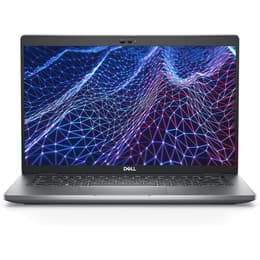
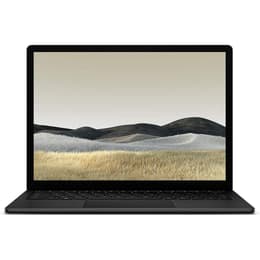
Dell Latitude 5430 14" Vs Microsoft Surface Laptop 3 13"
- 1-year minimum warranty
- Free delivery on all items
- Free 30-day returns
Differences at a glance
The Dell Latitude 5430 (2022) and the Microsoft Surface Laptop 3 13-inch (2019) represent two distinct approaches to portable computing for professionals, students, and everyday users. While the Dell Latitude 5430 focuses on modular versatility, robust physical connectivity, and enterprise-grade durability, the Microsoft Surface Laptop 3 prioritizes a streamlined aesthetic, minimalist design, and an integrated media-consumption experience. Operating on Windows across both models, these devices differ primarily in their physical footprint, port selection, and generation-specific internal capability, making each well-suited to different working environments.
Available Models
Storage (GB)
Processor
Memory (GB)
Scores
Durability
When evaluating the long-term utility of these two laptops, differences in release years and hardware design play a significant role in their expected operational lifespans.
- Release Timeline and Software Support: The Dell Latitude 5430 launched in 2022, providing a newer hardware baseline and extended support timelines for system firmware compared to the 2019 release date of the Microsoft Surface Laptop 3.
- Repairability and Upgradability: The Dell Latitude 5430 features a modular internal layout with accessible storage components and swappable parts, whereas the Microsoft Surface Laptop 3 relies on a more integrated construction that presents greater challenges for independent component replacement.
- Expected Practical Lifespan: Users seeking a long-term productivity companion will find that choosing a quality-assured refurbished option like the Dell model extends its functional utility through newer internal components and broader driver compatibility.
Year of Release
2022
2019
OS
Windows 11
Windows 11
Performance
Day-to-day responsiveness and multitasking capabilities vary across these models due to differences in generation-appropriate processors and internal thermal architecture.
- Everyday Responsiveness: The newer processor generation inside the Dell Latitude 5430 handles web browsing, document editing, and video conferencing smoothly, while the Microsoft Surface Laptop 3 manages standard office tasks capably with occasional thermal throttling during sustained workloads.
- Multitasking and Memory: Both configurations manage multiple browser tabs and background applications efficiently, though memory and storage capacities vary depending on the specific configuration selected at purchase.
- Battery Behavior: The Dell Latitude 5430 generally sustains standard office workloads through a full working day, whereas the Microsoft Surface Laptop 3 may require mid-day charging during heavier tasks due to its older battery capacity profile.
Graphic card
Integrated Graphics
Integrated Graphics
Screen quality
Display characteristics shape how each laptop handles reading, media viewing, and detailed visual tasks in varying lighting conditions.
- Display Technology and Aspect Ratio: The Microsoft Surface Laptop 3 utilizes a 3:2 pixel format that provides extra vertical screen space for documents, while the Dell Latitude 5430 opts for a traditional 16:9 widescreen layout suited for video playback.
- Resolution and Clarity: Both laptops offer sharp text rendering and clear image reproduction, though the Surface display features a slightly higher pixel density for finer detail work.
- Brightness and Outdoor Visibility: The Dell Latitude 5430 incorporates a matte anti-glare finish that reduces reflections in brightly lit offices, whereas the Microsoft Surface Laptop 3 employs a glossy glass panel that delivers vibrant colors but catches more ambient light outdoors.
Audiovisual
Audio and visual communication components differ significantly, influencing how each device performs during virtual meetings and media playback.
- Camera System: The Dell Latitude 5430 typically includes an updated webcam with improved clarity in low-light office environments, while the Microsoft Surface Laptop 3 features a dependable camera setup suited for standard video calls.
- Microphone and Voice Clarity: Both devices integrate dual far-field microphones that isolate background ambient sound effectively during online conferences and voice notes.
- Speaker Output: The Microsoft Surface Laptop 3 delivers rich, clear sound output integrated discreetly beneath the keyboard deck, whereas the Dell Latitude 5430 provides standard upward-facing audio appropriate for voice calls and casual listening.
Miscellaneous
Physical dimensions, build materials, and input options define the ergonomics and day-to-day portability of each laptop.
- Port Selection: The Dell Latitude 5430 provides a comprehensive selection of modern physical inputs including USB-C, standard USB-A ports, HDMI, and an Ethernet jack, while the Microsoft Surface Laptop 3 maintains a minimalist port lineup featuring a single USB-C, a USB-A port, and the proprietary magnetic charging connector.
- Weight and Dimensions: The Microsoft Surface Laptop 3 offers a thin, lightweight aluminum chassis optimized for travel, whereas the Dell Latitude 5430 adopts a slightly thicker, ruggedized body designed to withstand frequent commuting.
- Security and Biometrics: Both models support fast biometric sign-in features through compatible face recognition hardware or fingerprint readers depending on the specific sub-configuration chosen.
Weight
900 g
3000 g
Screen size
14
13
What the community thinks
Choosing between the Dell Latitude 5430 and the Microsoft Surface Laptop 3 depends heavily on individual daily workflows and physical preferences. User discussions on platforms like Reddit frequently highlight the Microsoft Surface Laptop 3 for its clean aesthetic, comfortable keyboard, and sharp 3:2 screen ratio, though some users note limitations regarding the restricted port selection and integrated components. Conversely, community feedback praises the Dell Latitude 5430 for its extensive port variety, enterprise durability, and modular internal layout, while noting that its utilitarian plastic-and-alloy chassis prioritizes function over minimalist design.
Users who prioritize a lightweight travel profile, sleek styling, and extra vertical screen space for writing will find the Microsoft Surface Laptop 3 well-suited to their needs. Meanwhile, users prioritizing physical connectivity, robust security options, and easier component maintenance may lean toward the Dell Latitude 5430. Both machines are available as sustainable choices through quality-assured refurbished channels, allowing consumers to make environmentally conscious technology decisions without compromising on functional capability.