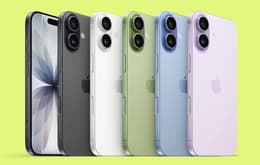
iPhone 17 Vs iPhone SE (2022)

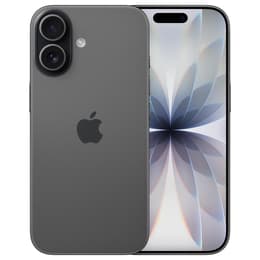
iPhone 17
iPhone 17
Starting at

Refurbished price:£688.00

Versus £799.00 new

See options
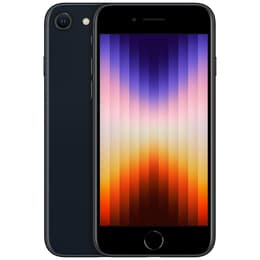
iPhone SE (2022)
iPhone SE (2022)
Starting at

Refurbished price:£102.00

Versus £429.00 new

See options

Ratings

The iPhone 17, released in September 2025, represents Apple's latest flagship smartphone, offering advanced features and a modern design. In contrast, the iPhone SE (2022), launched in March 2022, provides a more compact form factor with a classic design and a focus on core performance. The primary distinctions lie in their display technology, camera capabilities, and overall processing power, catering to different user preferences and needs.

Scores

Durability

When considering the practical lifespan of these devices, several factors come into play, including their release timelines, software support, and physical durability.

  • Release Timeline: The iPhone 17, having been released in September 2025, benefits from being a much newer device compared to the iPhone SE (2022), which launched in March 2022. This difference in release date directly impacts the duration of software support each device is likely to receive.
  • Software Longevity: Apple typically provides iOS updates for approximately 5-7 years from a device's release. The iPhone 17 is expected to receive software updates for a significantly longer period than the iPhone SE (2022), ensuring access to the latest features and security patches for more years. The iPhone SE (2022) is expected to work well with iOS upgrades for at least five years from its release.
  • Physical Durability: The iPhone 17 features Ceramic Shield 2 for enhanced scratch resistance on its display. Both models offer water and dust resistance, with the iPhone SE (2022) having an IP67 rating, meaning it can handle submersion in up to 1 meter of water for about 30 minutes. The iPhone 17 also features Crash Detection, an advanced safety feature.

Year of Release

2025

2022

Compatible with latest Update

Yes

Yes

OS

iOS

iOS

Foldable

No

No

Performance

Performance is a key differentiator, with the newer iPhone 17 offering substantial advancements over the iPhone SE (2022) due to its more recent internal components.

  • Processing Power: The iPhone 17 is equipped with a current-generation processor, featuring a 6-core CPU and a 5-core GPU with Neural Accelerators, alongside a 16-core Neural Engine. This allows for faster app performance, smoother multitasking, and improved energy efficiency, particularly benefiting demanding applications, gaming, and on-device AI tasks. The iPhone SE (2022) uses a previous-generation processor, which still provides robust performance for everyday tasks and gaming, ensuring the phone remains responsive for years.
  • System Responsiveness and Multitasking: The iPhone 17 includes 8GB of RAM, contributing to seamless multitasking and efficient handling of numerous open applications. The iPhone SE (2022) comes with 4GB of RAM, which is sufficient for typical daily usage but may show limitations when managing a large number of complex applications simultaneously.
  • Storage Options: The iPhone 17 starts with 256GB of internal storage, with options for higher capacities. The iPhone SE (2022) offers storage options starting from 64GB, with 128GB and 256GB also available.

Memory (GB)

8 GB

4 GB

Screen quality

The visual experience varies significantly between these two models, primarily due to differences in display technology and size.

  • Display Technology and Size: The iPhone 17 features a 6.3-inch Super Retina XDR OLED display, offering deep blacks, vibrant colors, and a high contrast ratio. The iPhone SE (2022) has a more compact 4.7-inch Retina HD IPS LCD display, which provides clear visuals but does not match the contrast or color depth of an OLED panel.
  • Resolution and Clarity: The iPhone 17's display has a resolution of 2622 x 1206 pixels at 460 pixels per inch (ppi), resulting in sharp and detailed images. The iPhone SE (2022) offers a resolution of 1334 x 750 pixels at 326 ppi, which is clear for its size but less dense than the iPhone 17's display.
  • Brightness and Refresh Rate: The iPhone 17 includes ProMotion technology, providing an adaptive refresh rate up to 120Hz for smoother scrolling and more fluid animations, along with a peak outdoor brightness of 3000 nits. The iPhone SE (2022) has a standard 60Hz refresh rate and a typical maximum brightness of 625 nits. The iPhone 17 also supports an Always-On display.

Resolution

2622x1206

750 x 1334

Screen type

Super Retina XDR

Retina IPS LCD

Audiovisual

The camera systems of the iPhone 17 and iPhone SE (2022) cater to different levels of photographic ambition, with the newer model offering a more versatile and advanced setup.

  • Camera System Configuration: The iPhone 17 features a dual-lens rear camera system, including two 48-megapixel lenses (Wide and Ultra Wide), and an upgraded 24-megapixel front-facing camera with Center Stage. This allows for more detailed images, improved low-light performance, and wider photographic perspectives. The iPhone SE (2022) is equipped with a single 12-megapixel wide rear camera and a 7-megapixel front camera.
  • Photography Features: The iPhone 17's camera system includes advanced image stabilization, AI-powered editing, and smart scene detection, designed to automatically adjust for optimal photos in various conditions, including low light and fast-moving subjects. The iPhone SE (2022) benefits from computational photography features like Smart HDR 4 and Deep Fusion, enhancing image quality in good lighting. However, it lacks a dedicated Night Mode, which can result in less detailed low-light photos compared to more advanced models.
  • Video Recording and Audio: Both devices can record video in up to 4K resolution at 60 frames per second. The iPhone 17 is expected to offer enhanced video capabilities, potentially including 8K video recording on Pro models and dual video recording. The iPhone SE (2022) provides solid video quality for its class but lacks newer stabilization technologies found in more recent iPhones. Both models offer stereo audio recording and speaker output suitable for media consumption.

Main camera

48 megapixels

12 megapixels

Front camera

18 megapixels

7 megapixels

Miscellaneous

Beyond core performance and display, several practical elements contribute to the overall user experience and differentiate these two iPhones.

  • Connectivity: The iPhone 17 supports the latest Wi-Fi 7 and Bluetooth 6 standards, along with 5G connectivity, ensuring fast and efficient wireless communication. The iPhone SE (2022) supports Wi-Fi 6, Bluetooth 5.0, and 5G (sub-6 GHz), providing modern connectivity options for most users.
  • Ports and Biometrics: The iPhone 17 features a USB-C port for charging and data transfer. It utilizes Face ID for secure authentication, integrated into its Dynamic Island. The iPhone SE (2022) retains the Lightning port and features Touch ID, a fingerprint sensor integrated into the home button, which some users prefer for its familiarity and convenience.
  • Design and Handling: The iPhone 17 has a larger 6.3-inch display with slimmer bezels, an aluminum frame, and a frosted glass back, offering a contemporary aesthetic. The iPhone SE (2022) maintains a classic design with a 4.7-inch screen, larger bezels, and an aluminum enclosure with a glass front and back, making it a compact and lightweight device. Its dimensions are 138.4 x 67.3 x 7.3 mm and it weighs 144g.

Weight

177 g

144 g

Screen size (in)

6.3

4.7

Mobile network

5G

5G

SIM card

Physical SIM + eSIM

Physical SIM + eSIM

Carrier compatibility

Unlocked

Unlocked

Connector

USB-C

Lightning

The iPhone 17 and iPhone SE (2022) cater to distinct user needs, reflecting different priorities in smartphone design and technology. Users frequently praise the iPhone 17 for its cutting-edge display, powerful performance, and advanced camera system, making it suitable for those who prioritize the latest technological innovations and a premium multimedia experience. Its longer expected software support and enhanced durability features also contribute to its appeal for users seeking a device with extended longevity. Some common feedback for the iPhone 17 highlights its larger screen size and the integration of features previously exclusive to Pro models, such as ProMotion and Always-On display.

Conversely, the iPhone SE (2022) is often lauded by users for its compact size, familiar design with Touch ID, and robust performance for its class, thanks to its efficient processor. It is frequently chosen by individuals who prefer a smaller phone that is easy to handle with one hand, or those who appreciate the traditional home button. Criticisms often point to its dated design with larger bezels, the LCD display's limitations compared to OLED, and the absence of advanced camera features like Night Mode. Its battery life, while improved over its predecessor, is generally considered shorter than other current iPhones.

Users prioritizing a modern, expansive display, advanced photography and videography capabilities, and the highest level of performance for demanding tasks will find the iPhone 17 well-suited to their needs. This device is ideal for content creators, mobile gamers, and those who want the most up-to-date features. On the other hand, users who value a compact form factor, a familiar user experience with Touch ID, and solid everyday performance without the need for the absolute latest features may lean toward the iPhone SE (2022). It serves well as a reliable daily driver for communication, browsing, and casual photography. Both models, when considered as quality-assured refurbished options, offer an eco-friendly alternative for consumers.
See all articles

Our recent comparisons