Compare models
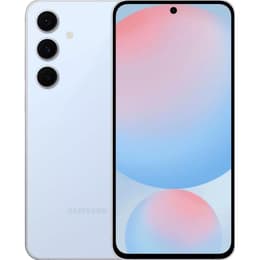
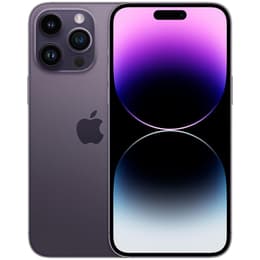
Galaxy S24 FE Vs iPhone 14 Pro Max
- 1-year minimum warranty
- Free delivery on all items
- Free 30-day returns
Differences at a glance
The Samsung Galaxy S24 FE (2024) and the iPhone 14 Pro Max (2022) represent two different approaches to the large-screen smartphone experience. While the Galaxy S24 FE is a recent release designed to offer modern features and extended software support, the iPhone 14 Pro Max remains a powerful flagship known for its premium build and professional-grade camera capabilities. These devices operate on distinct ecosystems—Android and iOS respectively—meaning the choice often depends on a user's preference for software flexibility or integrated hardware-software synergy.
Available Models
Colour
Storage (GB)
Scores
Durability
The Galaxy S24 FE and iPhone 14 Pro Max offer different long-term prospects based on their release dates and manufacturer commitments.
- Software Longevity: The Galaxy S24 FE benefits from a commitment to seven years of operating system and security updates, potentially keeping the device current until 2031. In contrast, the iPhone 14 Pro Max, released in 2022, typically receives five to seven years of support, meaning it may reach its final major update a few years earlier than the Samsung model.
- Build Resilience: The iPhone 14 Pro Max features a stainless steel frame and Ceramic Shield glass, providing a sturdy feel and high resistance to daily wear. The Galaxy S24 FE uses an aluminium frame and modern toughened glass, which offers a lighter handling experience while maintaining solid protection against scratches and minor impacts.
- Repairability: Both manufacturers have made strides in making components like batteries and screens more accessible for service, though the iPhone's intricate internal layout often requires more specialised tools compared to the more modular approach seen in recent Samsung designs.
Year of Release
2024
2022
Compatible with latest Update
Yes
Yes
OS
Android
iOS
Foldable
No
No
Performance
Both smartphones are designed to handle demanding tasks, though they manage power and multitasking in slightly different ways.
- System Responsiveness: The Galaxy S24 FE uses a modern processor optimised for current mobile AI features and smooth multitasking across various apps. The iPhone 14 Pro Max, despite being older, utilises a highly efficient chip that remains remarkably fast for video editing, high-end gaming, and seamless transitions between heavy applications.
- Battery and Charging: Users will find that the iPhone 14 Pro Max is particularly efficient at managing power during standby and video playback, often lasting well through a full day of intensive use. The Galaxy S24 FE carries a large battery capacity designed to support its high-refresh-rate screen and modern connectivity features, though heavy users may find themselves charging more frequently during long days of navigation or gaming.
- Storage and Memory: Both devices offer multiple storage tiers to accommodate large photo libraries and apps. The iPhone's system is noted for its efficient memory management, while the Samsung provides ample RAM to support split-screen multitasking and background app retention.
Screen quality
The viewing experience is a primary focus for both devices, featuring large 6.7-inch displays that cater to media consumers and gamers.
- Display Technology: The iPhone 14 Pro Max features an advanced OLED screen with ProMotion technology, allowing the refresh rate to drop very low to save battery or ramp up for fluid scrolling. The Galaxy S24 FE uses a vibrant AMOLED display that delivers deep blacks and punchy colours, maintaining a high refresh rate for a consistently smooth visual experience.
- Outdoor Visibility: The iPhone 14 Pro Max is engineered with a very high peak brightness, making it easier to read text and view photos under direct sunlight. While the Galaxy S24 FE is also capable of high brightness levels suitable for most outdoor conditions, the iPhone maintains a slight edge in extreme lighting environments.
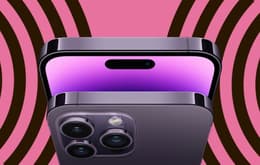
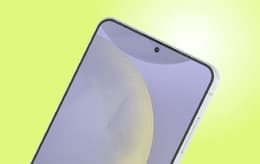
- Interface Design: The iPhone utilises the Dynamic Island to integrate the front camera and sensors into the software interface for notifications. The Galaxy S24 FE opts for a small, unobtrusive circular cutout, providing a more traditional full-screen feel for watching videos or playing games.
Resolution
1080 x 2340
1290 x 2796
Screen type
Dynamic AMOLED 2X
LTPO Super Retina XDR OLED
Audiovisual
Photography and video recording are central to the appeal of these two models, with each offering a distinct visual style.
- Camera Versatility: The iPhone 14 Pro Max includes a professional-grade triple-lens system with a large main sensor that excels in capturing natural skin tones and detailed textures. The Galaxy S24 FE provides a versatile setup with a high-resolution main camera and a dedicated telephoto lens, allowing users to capture clear images from a distance.
- Video Capabilities: For users who record a lot of video, the iPhone 14 Pro Max is often cited for its exceptional stabilisation and smooth zoom transitions, making it a favourite for content creators. The Galaxy S24 FE offers high-quality video recording with vibrant colour reproduction and various creative modes that simplify the editing process for social media.
- Audio Experience: Both devices feature stereo speakers that provide clear, loud audio for media consumption. The iPhone's speakers are often noted for their depth and bass response, while the Galaxy S24 FE delivers a balanced soundstage that remains clear even at higher volumes during hands-free calls.
Main camera
50 megapixels
48 megapixels
Front camera
10 megapixels
12 megapixels
Miscellaneous
Practical daily usage is influenced by the physical design and connectivity options of each smartphone.
- Connectivity and Ports: The Galaxy S24 FE uses the universal USB-C port, which is compatible with a wide range of modern accessories and charging cables. The iPhone 14 Pro Max uses the Lightning port, which may require specific adapters for users transitioning from other modern electronics. Both support 5G for fast mobile data and modern Wi-Fi standards for stable home internet.
- Biometrics and Security: Samsung employs an in-display fingerprint sensor that allows for quick unlocking even when the device is flat on a table. Apple uses FaceID, which projects infrared dots to map the user's face, providing a secure and hands-free way to unlock the phone and authorise payments.
- Weight and Handling: The iPhone 14 Pro Max is notably heavier due to its stainless steel construction, which gives it a substantial, dense feel in the hand. The Galaxy S24 FE, being slightly lighter, may be more comfortable for users who prefer a device that is easier to hold for extended periods or carry in a pocket.
Weight
213 g
120 g
Screen size (in)
6.7
6.7
Mobile network
5G
5G
SIM card
Dual Physical SIM
Physical SIM + eSIM
Carrier compatibility
Unlocked
Unlocked
Connector
USB-C
Lightning
What the community thinks
Choosing between the Galaxy S24 FE and the iPhone 14 Pro Max involves weighing the benefits of a newer, long-supported Android device against a refined, premium iOS flagship. User discussions on platforms like Reddit often highlight the iPhone 14 Pro Max for its exceptional battery consistency and the reliability of its video recording. Conversely, the Galaxy S24 FE receives praise for its modern display and the peace of mind provided by its seven-year update policy. Some users note that the iPhone's weight can be a drawback for one-handed use, while others appreciate the solid feel it provides.
Users who prioritise having the latest software features and a device that will receive updates well into the next decade will likely find the Galaxy S24 FE to be a better fit. Those who prefer a more premium build, a highly integrated ecosystem, and industry-standard video performance may lean toward the iPhone 14 Pro Max. For those looking to make a sustainable choice, opting for a quality-assured refurbished option is an excellent way to access these high-end features while reducing environmental impact. Both smartphones are capable of serving professional and personal needs for several years, making them reliable choices in the current market. Choosing a sustainable choice like a refurbished device ensures that these powerful tools continue to provide value without the need for new manufacturing resources.