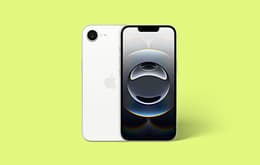
iPhone 16e Vs Motorola Moto E13

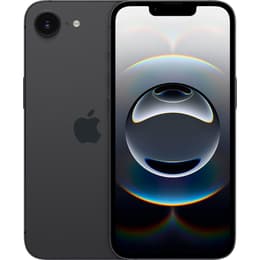
iPhone 16e
iPhone 16e
Starting at

Refurbished price:£359.00

Versus £599.00 new

See options
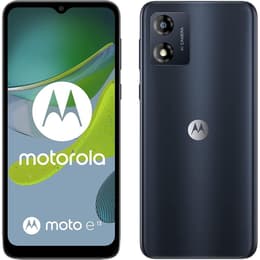
Motorola Moto E13
Motorola Moto E13
Starting at

Refurbished price:£74.00

Versus £83.99 new

See options

Ratings

The iPhone 16E and the Motorola Moto E13 represent distinct approaches to smartphone design and functionality, catering to different user priorities. The iPhone 16E, introduced in early 2025, offers a premium experience within the Apple ecosystem, while the Motorola Moto E13, released in early 2023, focuses on essential smartphone capabilities within the Android Go platform. This comparison highlights their core differences in performance, display, camera, and overall user experience.

Scores

Durability

The expected practical lifespan and software support differ significantly between these two devices.

  • Release Timeline: The iPhone 16E was released in early 2025, making it a more recent device compared to the Motorola Moto E13, which launched in January 2023. This difference in release dates impacts their respective software support cycles and hardware modernity.
  • Software Longevity: Apple typically provides major iOS updates for approximately 5 to 7 years from a device's release, meaning the iPhone 16E can expect extended software support, including new features and security patches, well into the future. In contrast, the Motorola Moto E13, running Android 13 Go Edition, generally receives more limited software updates, often including only one major Android version upgrade and security patches for a shorter period.
  • Durability Features: The iPhone 16E features a Ceramic Shield front cover and an aluminum frame, contributing to its robust build and offering IP68 water and dust resistance, allowing submersion in water. The Moto E13 has a plastic construction with an IP52 water-repellent design, providing basic protection against splashes and dust but not full submersion.

Year of Release

2025

2023

OS

iOS

Android

Foldable

No

No

Performance

Performance capabilities vary widely, influencing how each device handles daily tasks and demanding applications.

  • Processing Power: The iPhone 16E is equipped with an A18 chip, which delivers substantial processing power for demanding applications, smooth multitasking, and advanced computational tasks, including support for Apple Intelligence features. The Motorola Moto E13 utilizes a Unisoc T606 processor, which is designed for essential smartphone functions and lighter tasks, resulting in slower app loading and less fluid multitasking, particularly with multiple applications open.
  • Storage and Multitasking: The iPhone 16E offers generous internal storage options starting from 128GB, providing ample space for apps, media, and files. Its system architecture is optimized for efficient multitasking, allowing users to switch between applications without significant slowdowns. The Moto E13 comes with more modest storage options, typically 32GB or 64GB, though some variants offer up to 128GB, and it supports microSD card expansion. Its lower RAM configurations (often 2GB or 4GB) can lead to noticeable delays when running several apps simultaneously.
  • Battery Behavior: Both devices feature large batteries. The iPhone 16E is designed for extended usage, with its efficient processor and optimized software contributing to long battery life, capable of up to 26 hours of video playback. The Motorola Moto E13 also includes a 5000mAh battery, and due to its lower-resolution screen and less powerful processor, users often report decent battery endurance for daily use.

Memory (GB)

8 GB

2 GB

Screen quality

The visual experience on these smartphones is shaped by their distinct display technologies and specifications.

  • Display Technology and Clarity: The iPhone 16E features a 6.1-inch Super Retina XDR OLED display, offering deep blacks, vibrant colors, and high contrast. Its resolution of 2532x1170 pixels results in sharp and detailed visuals. The Motorola Moto E13 has a 6.5-inch IPS LCD display with an HD+ resolution of 1600x720 pixels, which provides a serviceable viewing experience for everyday content but lacks the sharpness and color depth of an OLED panel.
  • Brightness and Refresh Rate: The iPhone 16E's display offers high brightness levels, with a typical maximum of 800 nits and a peak HDR brightness of 1200 nits, ensuring good visibility even in bright outdoor conditions. It operates at a standard 60Hz refresh rate. The Moto E13's screen also has a 60Hz refresh rate, which is standard for its category, and its brightness is adequate for indoor use but may require being maxed out in direct sunlight.
  • Viewing Experience: The iPhone 16E provides an immersive viewing experience with its edge-to-edge OLED screen, though it retains a notch for its front camera system. The Moto E13's larger 6.5-inch screen offers ample space for media consumption, but its lower resolution and LCD technology mean a less refined visual experience compared to the iPhone.

Resolution

2532x1170

720 x 1600

Audiovisual

Camera capabilities vary significantly, impacting photo and video quality across different scenarios.

  • Rear Camera System: The iPhone 16E is equipped with a single 48MP Fusion main camera featuring an f/1.6 aperture and optical image stabilization, capable of capturing detailed photos and offering 1x and 2x optical zoom options through sensor cropping. It also supports 4K video recording. The Motorola Moto E13 features a 13MP rear camera with an f/2.2 aperture. Reviews indicate that its camera performs adequately in good lighting conditions but can be slow to launch and capture, and its low-light performance is basic.
  • Front Camera and Features: For selfies and video calls, the iPhone 16E includes a 12MP TrueDepth front camera with autofocus, capable of 4K video recording and supporting advanced features like Portrait mode and Cinematic mode. The Moto E13 has a 5MP front-facing camera, which is suitable for basic video calls and selfies, but its quality is generally considered average.
  • Audio and Video Recording: The iPhone 16E offers high-quality video recording with advanced stabilization and improved audio capture. The Moto E13 records video at 1080p, and while it includes a single speaker with Dolby Atmos support for media consumption, its microphone quality for recording is functional for everyday use.

Front camera

TrueDepth 12MP

5 megapixels

Miscellaneous

Beyond core features, several practical elements contribute to the overall user experience of each device.

  • Connectivity and Ports: The iPhone 16E supports 5G connectivity, utilizing an Apple-designed C1 modem, and features a USB-C port for charging and data transfer. The Motorola Moto E13 is a 4G device, offering Wi-Fi 5 (dual-band) and Bluetooth 5.0, and includes a USB-C port for charging, alongside a traditional 3.5mm headphone jack.
  • Biometrics and Interaction: The iPhone 16E relies on Face ID for secure facial recognition and authentication, and it incorporates an Action button for customizable shortcuts. The Moto E13 offers basic face unlock but lacks a fingerprint sensor, relying on traditional PIN or pattern security.
  • Design and Handling: The iPhone 16E features a premium build with an aluminum frame and glass back, maintaining a compact and manageable form factor. The Moto E13 has a lightweight plastic design, making it comfortable to hold, and its dimensions are slightly larger due to its 6.5-inch screen.

Weight

167 g

181 g

Screen size (in)

6.1

6.5

Mobile network

5G

4G

SIM card

eSIM

Dual Physical SIM

Carrier compatibility

Unlocked

Unlocked

Users considering the iPhone 16E often praise its robust performance, long-term software support, and advanced camera capabilities, making it a reliable choice for those who prioritize a smooth and secure user experience within the Apple ecosystem. Common feedback highlights its vibrant OLED display and strong durability features as key advantages. Some users, however, might note its higher entry point compared to budget Android alternatives.

The Motorola Moto E13 is frequently lauded for its extended battery life and the inclusion of a 3.5mm headphone jack, appealing to users who value these practical aspects. Its clean Android Go interface is also a positive point for those seeking a straightforward smartphone experience. Criticisms often revolve around its entry-level performance, which can lead to slower operation, and the basic quality of its camera system, particularly in challenging lighting conditions. The limited software update policy is also a consideration for users seeking long-term feature and security updates.

Users prioritizing a powerful processor, advanced camera features, and extended software longevity will find the iPhone 16E well-suited to their needs. Its premium build and comprehensive security features also cater to those seeking a durable and reliable device. Conversely, individuals who require a smartphone for essential communication, media consumption, and long battery life, and who prefer the flexibility of Android, may lean toward the Motorola Moto E13. This device is a practical option for those who do not require high-end performance or advanced photographic capabilities. For those seeking a quality-assured refurbished option, both models may be available, offering an eco-friendly alternative to new purchases.

See all articles

Our recent comparisons