iPhones
Compare models
Differences at a glance
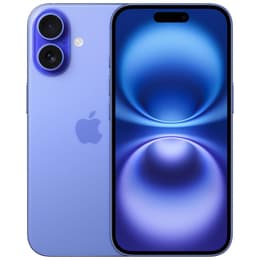
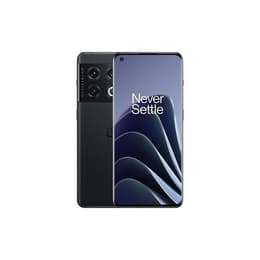
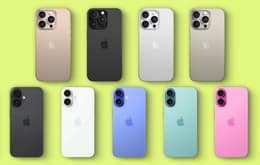
The iPhone 16, released in 2025, represents Apple's latest iteration of its flagship smartphone, running on the iOS ecosystem. In contrast, the OnePlus 10 Pro, launched in early 2022, is a high-end Android device from a previous generation. While both offer premium smartphone experiences, the iPhone 16 benefits from newer hardware and software advancements, whereas the OnePlus 10 Pro provides a mature Android platform with a focus on fast charging and a distinct camera partnership.
Colour
Storage
When considering long-term usability, the release timelines of these devices are a key factor.
Year of Release
Compatible with latest Update
Foldable
The performance capabilities of these two smartphones reflect their respective release dates and underlying architectures.
Both devices offer high-quality displays, but with some generational and technological differences.
Resolution
Screen type
Photography and videography capabilities are a significant consideration for many users, and both phones offer strong camera systems.
Main camera
Front camera
Beyond core performance, several practical features differentiate these two smartphones.
Weight
Screen size (in)
Mobile network
SIM card
Carrier compatibility
Choosing between the iPhone 16 and the OnePlus 10 Pro largely depends on individual priorities and ecosystem preference. The iPhone 16, as a newer device, offers superior long-term software support, a more powerful processor for demanding tasks, and refined camera and video capabilities, making it well-suited for users who prioritize the latest technology and extended longevity within the Apple ecosystem.
Users who are deeply integrated into the Android ecosystem, appreciate very fast wired charging, and prefer a device with a distinct design and camera tuning may find the OnePlus 10 Pro still meets their needs, especially if they are comfortable with its shorter remaining software update window. It remains a capable device for everyday use and media consumption.
Ultimately, the decision comes down to whether the benefits of a brand-new, cutting-edge device with extended support outweigh the value proposition of a slightly older, yet still high-performing, Android flagship. Both devices can be excellent choices, and opting for a quality-assured refurbished option for either can be an eco-friendly alternative to purchasing new, allowing for informed and sustainable choices.