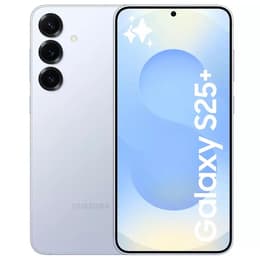


Galaxy S25+ Vs Google Pixel 9 Pro XL

Galaxy S25+
Galaxy S25+
Starting at

Refurbished price:£544.00

Versus £958.39 new

See options
Google Pixel 9 Pro XL
Starting at

Refurbished price:£384.00

Versus £1,093.99 new

See options

Ratings

The Samsung Galaxy S25 Plus (released February 2025) and the Google Pixel 9 Pro XL (released August 2024) are both prominent Android smartphones designed for users seeking a premium experience. While both devices offer robust performance and advanced camera systems, they differentiate themselves through their distinct approaches to software integration, display technology, and overall user experience. Both run on the Android operating system, providing a familiar interface with unique manufacturer customizations.

Scores

Durability

When considering the longevity of these devices, both the Galaxy S25 Plus and the Pixel 9 Pro XL are designed for extended use, offering significant software support.

  • Release Timeline: The Google Pixel 9 Pro XL was released in August 2024, making it slightly older than the Samsung Galaxy S25 Plus, which launched in February 2025. This difference in release date impacts their respective software support windows.
  • Software Longevity: Both manufacturers commit to seven years of operating system and security updates. This means the Pixel 9 Pro XL will receive updates until approximately August 2031, while the Galaxy S25 Plus will be supported until around February 2032, offering a slightly longer update period.
  • Durability Features: Both phones feature Gorilla Glass Victus 2 on their front and back panels, providing comparable scratch and drop resistance. They also share an IP68 rating for dust and water resistance, indicating a high level of protection against environmental elements. The Pixel 9 Pro XL has demonstrated strong resilience in bend tests, comparable to other robust flagship devices.

Year of Release

2025

2024

OS

Android

Android

Foldable

No

No

Performance

Both the Galaxy S25 Plus and the Pixel 9 Pro XL deliver high-level performance suitable for demanding applications and multitasking, though they achieve this with different underlying hardware.

  • Processing Power: The Galaxy S25 Plus is equipped with a current-generation processor that ensures smooth operation across various tasks, from everyday browsing to intensive gaming. The Pixel 9 Pro XL utilizes Google's Tensor G4 chip, which is specifically optimized for on-device artificial intelligence tasks, contributing to a responsive and intelligent user experience.
  • Multitasking and Responsiveness: The Galaxy S25 Plus comes with 12GB of RAM, facilitating efficient multitasking and quick app switching. The Pixel 9 Pro XL offers 16GB of RAM, providing additional headroom for numerous applications running simultaneously and complex AI computations.
  • Battery Behavior: The Galaxy S25 Plus houses a 4900 mAh battery, generally providing a full day of use for most users, with some reports indicating up to a day and a half with moderate usage. The Pixel 9 Pro XL features a 5060 mAh battery, often praised for its excellent endurance, with many users reporting multi-day battery life under typical conditions.

Memory (GB)

12 GB

16 GB

Screen quality

The visual experience on both devices is characterized by large, vibrant displays, though with some distinctions in their specifications and characteristics.

  • Display Technology and Resolution: The Galaxy S25 Plus features a 6.7-inch QHD+ Dynamic AMOLED 2X display, offering deep blacks, vibrant colors, and sharp detail. The Pixel 9 Pro XL comes with a slightly larger 6.8-inch QHD+ Super Actua display, also known for its clarity and color accuracy.
  • Brightness and Refresh Rate: Both phones offer a 120Hz adaptive refresh rate, ensuring smooth scrolling and fluid animations. The Galaxy S25 Plus can reach a peak brightness of up to 2600 nits, providing excellent visibility even in bright outdoor conditions. The Pixel 9 Pro XL boasts a peak brightness of up to 3000 nits, which can be beneficial for outdoor use, though it may struggle to maintain this brightness during extended periods.
  • Viewing Experience: The Galaxy S25 Plus maintains a flat display, which some users prefer for durability and ease of screen protector application. The Pixel 9 Pro XL also features a flat glass design, which is generally favored for its practical benefits over curved screens.

Resolution

1440x3120

1344 x 2992

Audiovisual

Both smartphones offer advanced camera systems, each with its own strengths in capturing photos and videos across various scenarios.

  • Rear Camera System: The Galaxy S25 Plus includes a versatile triple camera setup with a 50MP main sensor, a 12MP ultrawide, and a 10MP telephoto lens with 3x optical zoom. While the hardware is similar to previous generations, Samsung has implemented significant software enhancements for improved image processing, including 10-bit HDR video and Log mode for more flexible post-production. The Pixel 9 Pro XL also features a triple rear camera system, comprising a 50MP main sensor, a 48MP ultrawide, and a 48MP telephoto lens with 5x optical zoom. It is recognized for consistent results, strong low-light performance from its main camera, and effective Super Res zoom capabilities.
  • Photography Performance: The Galaxy S25 Plus generally produces photos with punchy colors and a slightly warmer white balance, offering good detail in daylight and decent performance in low-light conditions, especially with the main camera. The Pixel 9 Pro XL is known for its natural color reproduction and excellent detail, particularly from the main sensor, and performs well in various lighting conditions, though some users note struggles with low-light performance on the ultrawide and telephoto lenses.
  • Video and Front Camera: Both devices offer high-quality video recording. The Galaxy S25 Plus supports 10-bit HDR video capture and a Log mode for advanced users. Its 12MP front camera delivers clear selfies. The Pixel 9 Pro XL provides strong video performance, particularly in bright environments, and features an upgraded 42MP front-facing camera with autofocus, which is praised for detailed selfie shots and wider angles.

Miscellaneous

Beyond core performance and display, several other features contribute to the overall user experience of these smartphones.

  • Connectivity and Ports: Both the Galaxy S25 Plus and the Pixel 9 Pro XL support 5G connectivity and the latest Wi-Fi standards for fast wireless communication. They both utilize a USB-C port for charging and data transfer.
  • Biometric Security: The Galaxy S25 Plus incorporates an ultrasonic in-screen fingerprint sensor, known for its speed and accuracy. The Pixel 9 Pro XL also features a fast and reliable in-screen fingerprint sensor, with face unlock also available, though some users report it can be less consistent in low light.
  • Design and Handling: The Galaxy S25 Plus features an aluminum body with a glass back, offering a premium yet robust feel. It is designed to be comfortable in hand despite its large screen size. The Pixel 9 Pro XL also boasts a premium build with a recycled aluminum frame and flat glass panels. Its larger size and weight mean some users find it substantial to hold for extended periods.

Weight

190 g

221 g

Screen size (in)

6.7

6.8

Mobile network

5G

5G

SIM card

Dual Physical SIM

Physical SIM + eSIM

Carrier compatibility

Unlocked

Unlocked

The Samsung Galaxy S25 Plus and the Google Pixel 9 Pro XL each present a compelling package for users seeking a high-end Android smartphone, with distinct strengths that cater to different preferences. User feedback indicates that the Galaxy S25 Plus is often praised for its smooth performance, vibrant display, and robust software support, with many appreciating its overall polished experience. Some users, however, note that the camera hardware has not seen significant generational upgrades, and some of the integrated AI features can feel less essential.

The Google Pixel 9 Pro XL receives high marks for its exceptional battery life, stable software, and a camera system that consistently delivers impressive results, particularly from its main sensor. Its AI capabilities, powered by the Tensor G4 chip, are also a frequent highlight. Conversely, some users have pointed out its considerable size and weight, practical charging speeds that don't always match advertised figures, and occasional software inconsistencies, especially with third-party applications or specific camera modes.

Users prioritizing a slightly longer software update window and a consistently vibrant display with strong overall performance may find the Galaxy S25 Plus well-suited to their needs. Those who place a premium on extended battery life, a camera system known for its computational photography, and deep AI integration might lean towards the Google Pixel 9 Pro XL. Both devices offer a quality-assured refurbished option, providing an eco-friendly alternative for consumers.


See all articles

Our recent comparisons