
Compare models

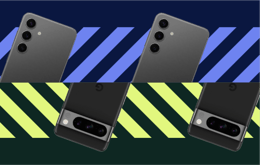
Galaxy S25+ Vs Google Pixel 10

  • 1-year minimum warranty
  • Free delivery on all items
  • Free 30-day returns
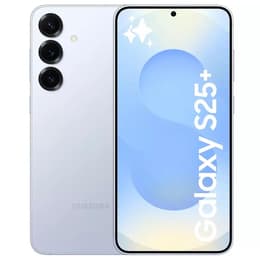
Galaxy S25+
Starting at

Refurbished price:£513.00

Versus £999.00 new

See options
Google Pixel 10
Starting at

Refurbished price:£404.00

Versus £789.14 new

See options

Differences at a glance

The Samsung Galaxy S25+ (2025) and Google Pixel 10 (2025) are high-end Android smartphones representing distinct approaches to mobile engineering. While both devices target users seeking polished day-to-day performance and modern feature sets, they differ significantly in display dimensions, software environments, and physical handling. The Samsung Galaxy S25+ runs on Samsung's customized interface built over Android, whereas the Google Pixel 10 offers a clean software experience directly aligned with Google's vision for the operating system. Both models deliver robust daily functionality, but cater to divergent user preferences regarding ergonomics and interface design.

Available Models

Colour

Storage

Scores

Durability

Long-term usability is shaped by update commitments, structural durability, and maintenance ease, with both smartphones offering strong multi-year support timelines.

  • Software Support: Both devices are backed by extended manufacturer software commitments, ensuring years of security updates and operating system upgrades to maintain digital safety and feature relevance.
  • Build Integrity: Each model incorporates scratch-resistant glass panels paired with reinforced aluminum frames and dust-water resistance ratings, protecting internal components against everyday accidents.
  • Repairability: Authorized service networks and spare part availability support standard component replacements, helping extend the practical operational window for users who keep devices for multiple years.

Year of Release

2025

2025

OS

Android

Android

Foldable

No

No

Performance

System responsiveness and energy management vary due to distinct internal hardware architectures and software optimization approaches.

  • App Multitasking: Generous memory allocations on both handsets allow numerous background applications to remain active simultaneously without sudden reloads or stuttering during switching.
  • Gaming and Heavy Apps: Demanding graphic titles and resource-heavy software run smoothly, though sustained peak output levels differ depending on how effectively each device manages internal heat dissipation.
  • Battery Behavior: Battery capacities translate into reliable full-day usage for typical routines, supported by power-saving algorithms that adapt to individual user habits over time.

Screen quality

Visual output focuses on bright, high-contrast panels, though the physical viewing area and pixel resolutions present unique viewing experiences.

  • Display Panel Technology: Both models utilize vibrant OLED screens that produce deep black levels and vivid contrast, ensuring clear text legibility and rich media playback.
  • Brightness and Outdoors: High peak brightness capabilities allow screens to remain clearly visible even under direct sunlight or bright outdoor lighting conditions.
  • Refresh Rate Smoothness: Adaptive high refresh rate support ensures fluid scrolling through web pages and smooth animation transitions during regular system navigation.

Resolution

1440x3120

1080x2424

Audiovisual

Imaging hardware and computational software combine to deliver capable photo and video output across diverse lighting conditions.

  • Lens Configurations: Multi-lens setups on both devices include primary wide-angle sensors alongside supplementary options for ultra-wide landscapes and close-up framing.
  • Low-Light Photography: Automated computational enhancements brighten dark environments, reduce digital noise, and preserve natural color tones during evening photography.
  • Video and Audio: Stable video recording features pair with clear microphone arrays to capture crisp dialogues and balanced environmental sound during media creation.

Miscellaneous

Everyday practicalities involve connectivity standards, physical measurements, and security authentication methods unique to each chassis design.

  • Connectivity Standards: Both smartphones support modern fifth-generation cellular networks, rapid wireless local area network standards, and near-field communication for digital transactions.
  • Physical Dimensions: The Galaxy S25+ offers a larger screen workspace within a relatively thin profile, whereas the Pixel 10 features a slightly more compact footprint that changes one-handed reachability.
  • Biometric Security: Secure authentication is handled via responsive under-display fingerprint sensors alongside facial recognition options for quick device unlocking.

Weight

190 g

204 g

Screen size (in)

6.7

6.3

Mobile network

5G

5G

SIM card

Physical SIM + eSIM

Physical SIM + eSIM

Carrier compatibility

Unlocked

Unlocked

Connector

USB-C

USB-C

What the community thinks

User discussions and community feedback indicate that both smartphones receive praise for reliable daily speed, clear display panels, and dependable photography tools. Common criticisms typically center on minor software bugs following major updates or gradual battery degradation after years of heavy charging cycles. Reviewers and everyday owners generally agree that choosing between these two devices comes down to physical scale and software philosophy rather than raw capability.

Users prioritizing a larger viewing area, streamlined multi-window productivity, and Samsung's feature-rich interface will find the Galaxy S25+ well-suited to their needs. Conversely, users preferring a more compact physical footprint, clean software aesthetics, and deep integration with Google's artificial intelligence assistant tools may lean toward the Pixel 10. For buyers seeking a quality-assured refurbished option as an eco-friendly, sustainable alternative, both models are widely available through platforms like Back Market without compromising on rigorous functional testing.