
Compare models

Google Pixel 9 Vs iPhone Air

  • 1-year minimum warranty
  • Free delivery on all items
  • Free 30-day returns
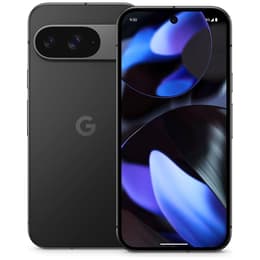
Google Pixel 9
Starting at

Refurbished price:£309.00

Versus £892.69 new

See options
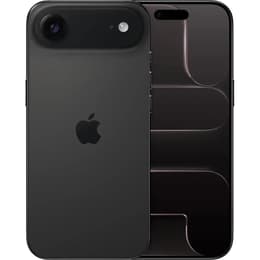
iPhone Air
Starting at

Refurbished price:£639.00

Versus £1,099.00 new

See options

Differences at a glance

The Google Pixel 9 (2024) and the Apple iPhone Air (2025) represent two distinct approaches to modern smartphone design and daily usability. While the Google Pixel 9 focuses on a balanced, comfortable everyday build with versatile features, the iPhone Air prioritizes an ultra-slim profile and lightweight titanium construction. Operating on different software ecosystems with Android and iOS respectively, both devices deliver tailored user experiences shaped by their unique hardware priorities.

Available Models

Colour

Storage (GB)

Scores

Durability

When evaluating structural longevity and software support, both devices are built to remain functional and secure over many years of typical daily usage.

  • Software Support Duration: The Google Pixel 9 receives extended operating system updates and security patches for seven years from release, while the iPhone Air benefits from Apple's long-standing tradition of multi-year iOS updates.
  • Build Durability: The Pixel 9 utilizes robust glass and aluminum materials with dependable water resistance, whereas the iPhone Air employs a grade 5 titanium frame reinforced with advanced scratch-resistant glass.
  • Expected Lifespan: Both smartphones feature generous internal memory configurations that ensure they can handle future software demands and maintain consistent usability over time.

Year of Release

2024

2025

Compatible with latest Update

Yes

Yes

OS

Android

iOS

Foldable

No

No

Performance

Both models handle demanding everyday tasks, multitasking, and casual gaming smoothly, though they approach resource management differently.

  • System Responsiveness: Each device switches seamlessly between multiple open applications, loads heavy software quickly, and maintains fluid navigation through daily tasks.
  • Battery Behavior: The Pixel 9 includes a larger battery capacity that comfortably handles full days of mixed usage, while the iPhone Air balances its thinner frame with an efficient power layout that requires routine daily charging under heavy loads.
  • Storage Configurations: Both smartphones offer ample internal storage tiers to accommodate large photo libraries, downloaded media, and large applications without running out of space.

Screen quality

Display technology on both devices delivers sharp visuals, vivid colors, and smooth motion for viewing media and reading content outdoors.

  • Display Technology: Both models feature bright OLED screens that provide deep contrast levels, sharp resolutions, and clear legibility under direct sunlight.
  • Refresh Rate and Motion: Each device supports high refresh rates, ensuring that scrolling through web pages and animations appears fluid and responsive.
  • Viewing Area: The Pixel 9 offers a compact 6.3-inch viewing window, whereas the iPhone Air provides a slightly larger 6.5-inch display canvas for media consumption.

Resolution

1080 x 2424

2736x1260

Screen type

OLED

Super Retina XDR

Audiovisual

Photography and audio capabilities cater well to everyday creators, featuring capable sensors and reliable recording tools.

  • Camera Systems: The Pixel 9 equips a dual rear camera setup with ultra-wide flexibility, while the iPhone Air utilizes a streamlined single primary high-resolution sensor housed in a raised rear plateau.
  • Low-Light and Video: Both devices capture detailed images in challenging lighting conditions and record stable, high-definition video suitable for sharing memories.
  • Media Output: Built-in speakers provide clear audio for calls and casual video viewing, supported by responsive microphones that isolate voice clarity effectively.

Main camera

50 megapixels

48 megapixels

Front camera

10.5 megapixels

18 megapixels

Miscellaneous

Physical dimensions and connectivity standards define how each smartphone feels and integrates into daily travel routines.

  • Handling and Dimensions: The Pixel 9 features a standard profile weighing 198 grams, whereas the iPhone Air emphasizes portability with a remarkably thin 5.6 mm depth and a lighter 165-gram build.
  • Connectivity Options: Both models support modern high-speed cellular networks, recent wireless standards, and reliable global positioning systems.
  • Biometrics and Ports: Each device utilizes secure authentication methods alongside universal USB-C ports for charging and data transfer.

Weight

198 g

165 g

Screen size (in)

6.3

6.5

Mobile network

5G

5G

SIM card

Physical SIM + eSIM

eSIM

Carrier compatibility

Unlocked

Unlocked

Connector

USB-C

USB-C

What the community thinks

User feedback from online communities highlights distinct preferences for each device. Owners of the Google Pixel 9 frequently praise its comfortable ergonomics, reliable daily battery endurance, and robust photo processing capabilities. Meanwhile, users of the iPhone Air often emphasize appreciation for its remarkably light structure and slim physical profile, though some note that the single-camera setup and thinner battery design require lifestyle adjustments. Choosing a quality-assured refurbished option through Back Market can also provide a sustainable choice for consumers looking to minimize electronic waste.

Users prioritizing a lightweight, ultra-thin form factor and the iOS ecosystem may prefer the iPhone Air, while individuals seeking a traditional ergonomic build with versatile multi-lens photography will find the Google Pixel 9 well-suited to their needs. Assessing these distinct design priorities helps ensure your choice aligns seamlessly with your daily routine.