
Compare models
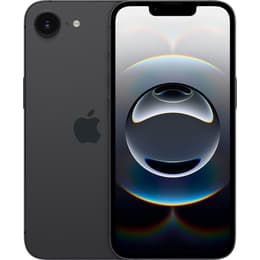
Google Pixel 10 Pro XL Vs iPhone 16e
- 1-year minimum warranty
- Free delivery on all items
- Free 30-day returns
Differences at a glance
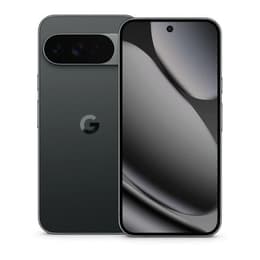
The Google Pixel 10 Pro XL (2025) and the Apple iPhone 16e (2025) represent two distinct approaches to contemporary smartphone design, catering to users looking for large-screen versatility or streamlined compactness. While they run on competing operating systems, Android and iOS respectively, both devices offer modern capabilities suited for daily connectivity and productivity. Choosing between them largely depends on hardware size preferences and ecosystem integration.
Available Models
Colour
Storage
Scores
Durability
Evaluating the long-term utility of these smartphones involves reviewing software update commitments, hardware durability, and structural build quality.
- Software Support: Both manufacturers provide multi-year operating system updates, ensuring prolonged access to security patches and new features throughout the expected lifespan of each device.
- Build Durability: Each model incorporates robust glass and metal materials designed to withstand everyday wear, complemented by water and dust resistance ratings for environmental protection.
- Repairability: Component accessibility and established service networks allow both devices to be maintained or repaired efficiently over time, supporting sustainable use cycles.
Year of Release
2025
2025
OS
Android
iOS
Foldable
No
No
Performance
System responsiveness and daily efficiency differ based on hardware configurations, memory capacities, and power management features.
- Multitasking Capability: Generous random access memory allocations on both devices handle frequent app switching and demanding background tasks smoothly without noticeable stuttering.
- App Loading and Execution: Advanced processing hardware ensures rapid application launch times and fluid navigation across standard productivity tools and resource-heavy software.
- Battery Behavior: Battery capacities are optimized for full-day endurance under mixed usage conditions, supporting standard web browsing, messaging, and media streaming before requiring a recharge.
Screen quality
Visual output and display characteristics vary significantly in physical size, refresh rate technology, and peak luminance levels.
- Display Technology: Both models utilize advanced organic light-emitting diode panels that deliver deep contrast levels, sharp text clarity, and vivid color reproduction for media consumption.
- Brightness and Outdoor Legibility: High peak brightness capabilities ensure that screen content remains clearly visible even under direct sunlight or bright outdoor environments.
- Refresh Rate: Smooth scrolling and fluid motion transitions benefit from high refresh rate technology, enhancing the overall tactile feel during web browsing and UI navigation.
Resolution
1344x2992
2532x1170
Audiovisual
Optics and media capture hardware offer distinct configurations tailored to different photography styles and video recording requirements.
- Camera Array: The Google Pixel 10 Pro XL features a versatile multi-lens system including wide, ultra-wide, and telephoto options, whereas the iPhone 16e utilizes a streamlined single-lens main camera setup.
- Low-Light Performance: Advanced image processing algorithms on both devices help maintain detail and control digital noise in dimly lit environments.
- Video and Audio: High-definition video recording features are paired with clear microphone capture, ensuring balanced audio quality during calls and media playback through integrated stereo speakers.
Front camera
42 megapixels
TrueDepth 12MP
Miscellaneous
Practical daily features include physical dimensions, modern connectivity standards, and biometric security mechanisms.
- Connectivity: Both models support fifth-generation mobile networks, current Wi-Fi standards, and Bluetooth protocols for reliable peripheral pairing and internet access.
- Physical Dimensions: The Google Pixel 10 Pro XL offers a larger physical footprint and screen real estate, while the iPhone 16e provides a more compact form factor that is easier to handle with one hand.
- Biometrics: Secure authentication is handled via responsive facial recognition systems or fingerprint sensors integrated directly into the hardware.
Weight
232 g
167 g
Screen size (in)
6.8
6.1
Mobile network
5G
5G
SIM card
Physical SIM + eSIM
Physical SIM + eSIM
Carrier compatibility
Unlocked
Unlocked
Connector
USB-C
USB-C
What the community thinks
User feedback and community discussions highlight distinct advantages for each device depending on personal workflow habits. Owners of the Google Pixel 10 Pro XL frequently praise its expansive display area and versatile multi-lens camera system, making it a favorite for photography enthusiasts and media consumers. Conversely, users of the iPhone 16e often commend its streamlined software experience, comfortable one-handed handling, and reliable daily battery endurance. Some critics note that the larger Pixel model can feel heavy during extended holding periods, while the single-lens setup on the Apple device offers less versatility for distant subjects.
Users prioritizing maximum screen real estate and advanced optical zoom will find the Google Pixel 10 Pro XL well-suited to their needs, while users preferring a compact form factor and the iOS ecosystem may lean toward the iPhone 16e. For those exploring sustainable purchasing alternatives, a quality-assured refurbished option provides a reliable, eco-friendly way to acquire either device without compromising on performance standards.