
Google Pixel 7 Vs iPhone 11 Pro Max

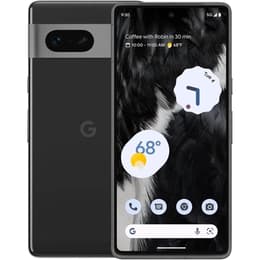
Google Pixel 7
Google Pixel 7
Starting at

Refurbished price:£134.00

Versus £729.00 new

See options
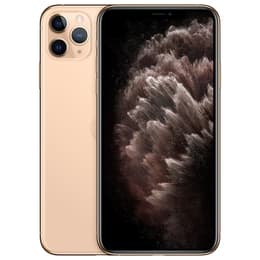
iPhone 11 Pro Max
iPhone 11 Pro Max
Starting at

Refurbished price:£181.00

Versus £749.00 new

See options

Ratings

The Google Pixel 7, released in October 2022, and the iPhone 11 Pro Max, launched in September 2019, represent distinct approaches to premium smartphone design and functionality. While the Pixel 7 operates on the Android platform, showcasing Google's latest software innovations and computational photography, the iPhone 11 Pro Max runs on Apple's iOS, known for its integrated ecosystem and robust performance. The primary differentiators lie in their operating systems, release timelines, and camera philosophies.

Scores

Durability

When considering the long-term usability of these devices, their respective release dates and software support policies are key factors.

  • Release Timeline: The Google Pixel 7 was released in October 2022, making it a significantly newer device compared to the iPhone 11 Pro Max, which debuted in September 2019. This age difference directly impacts their remaining software support and overall practical lifespan.
  • Software Longevity: The Google Pixel 7 is expected to receive operating system and security updates until 2027, providing a total of five years of support from its launch. The iPhone 11 Pro Max, having been released earlier, is predicted to receive iOS updates until 2026, specifically iOS 26. This means the Pixel 7 offers a longer guaranteed period for major OS updates.
  • Repairability: The iPhone 11 Pro Max received an iFixit repairability score of 6 out of 10, with critical display and battery repairs noted as priorities in its design. The Google Pixel 7 has a repairability score generally around 6.5 to 7 out of 10, though some sources for the Pro model indicate 5.5/10, noting that screen replacements are relatively easy but battery removal can be challenging due to strong adhesive.

Year of Release

2022

2019

Compatible with latest Update

Yes

Yes

OS

Android

iOS

Foldable

No

No

Performance

Both devices offer capable performance for their respective generations, though the Pixel 7 benefits from a more recent hardware and software integration.

  • System Responsiveness: The Google Pixel 7, powered by its custom-designed processor, delivers a smooth and responsive user experience, handling demanding applications and multitasking efficiently. The iPhone 11 Pro Max, with its older but still robust processor, provides strong performance for everyday tasks and gaming, with users noting its speed in app loading.
  • Battery Behavior: The iPhone 11 Pro Max is widely recognized for its exceptional battery life, with many users reporting it can last up to two days on a single charge under typical usage. The Google Pixel 7's battery performance has been described as mixed; while some users achieve a full day of use, others find themselves needing to charge once or twice daily, particularly with heavy use.
  • Multitasking Capabilities: The Pixel 7 features 8GB of RAM, contributing to its ability to manage multiple applications simultaneously without significant slowdowns. The iPhone 11 Pro Max comes with 4GB of RAM, which, combined with iOS's memory management, allows for effective multitasking within its ecosystem.

Memory (GB)

8 GB

4 GB

Screen quality

The display technologies in both phones offer vibrant visuals, but there are differences in refresh rate and overall viewing experience.

  • Display Technology and Clarity: The Google Pixel 7 features a 6.3-inch OLED display with a resolution of 1080 x 2400 pixels, offering deep blacks and vibrant colors. The iPhone 11 Pro Max boasts a larger 6.5-inch Super Retina XDR OLED display with a resolution of 1242 x 2688 pixels, known for its high contrast ratio and true blacks.
  • Smoothness and Brightness: The Pixel 7 offers a 90Hz refresh rate, providing a smoother scrolling and animation experience compared to the iPhone 11 Pro Max's standard 60Hz refresh rate. Both devices offer high brightness levels, with the Pixel 7 reaching up to 1400 nits peak brightness and the iPhone 11 Pro Max up to 1200 nits, ensuring good visibility in various lighting conditions.
  • Viewing Experience: Users transitioning from older devices to the Pixel 7 often note the significant improvement in smoothness due to the 90Hz display. The iPhone 11 Pro Max's larger screen size provides an expansive canvas for media consumption, though some users find its overall dimensions can impact single-handed use.

Resolution

1080 x 2400

1242 x 2688

Screen type

AMOLED

Super Retina XDR OLED

Audiovisual

Both smartphones are recognized for their strong camera capabilities, each with a distinct approach to image processing and hardware.

  • Camera System Capabilities: The Google Pixel 7 features a dual-camera setup with a 50MP main sensor and a 12MP ultrawide lens, relying heavily on computational photography for image enhancement. The iPhone 11 Pro Max offers a versatile triple-camera system, including 12MP main, ultrawide, and telephoto lenses, providing optical zoom capabilities.
  • Photography Performance: The Pixel 7 excels in low-light photography and produces images with natural colors and impressive detail, often outperforming some competitors in certain scenarios. The iPhone 11 Pro Max introduced significant improvements to low-light photography with its Night mode and utilizes Deep Fusion technology for enhanced detail and texture in various lighting conditions.
  • Video and Audio Quality: Both devices are capable of recording high-quality video, with the Pixel 7 supporting up to 4K at 60 frames per second and offering solid stabilization. The iPhone 11 Pro Max also records excellent 4K video with extended dynamic range and cinematic video stabilization. User feedback suggests the iPhone 11 Pro Max generally offers better speaker quality compared to the Pixel 7.

Main camera

50 megapixels

12 megapixels

Front camera

10.8 megapixels

12 megapixels

Miscellaneous

Beyond core performance, several practical features and design elements differentiate these two devices.

  • Connectivity and Ports: The Google Pixel 7 supports 5G connectivity, Wi-Fi 6E, and Bluetooth 5.2, and features a modern USB-C 3.2 port for charging and data transfer. The iPhone 11 Pro Max is limited to 4G LTE, Wi-Fi 6, and Bluetooth 5.0, and uses Apple's proprietary Lightning port. The absence of 5G on the iPhone 11 Pro Max is a notable difference for users seeking the latest network speeds.
  • Biometric Security: The Pixel 7 offers both an under-display optical fingerprint sensor and face unlock for security. The iPhone 11 Pro Max relies solely on Face ID for biometric authentication. While the Pixel 7's fingerprint sensor initially had some reported issues, these were largely addressed with software updates.
  • Design and Handling: The Pixel 7 has a glass front and back with an aluminum frame, weighing 197g. Its camera bar design, while distinctive, has been noted by some users as a potential dust trap due to its hard edges. The iPhone 11 Pro Max features a glass front and back with a stainless steel frame, weighing 226g. Its larger size and weight can sometimes impact ergonomics, with some users finding it less comfortable for extended single-handed use.

Weight

197 g

226 g

Screen size (in)

6.3

6.5

Mobile network

5G

4G

SIM card

Physical SIM + eSIM

Physical SIM + eSIM

Carrier compatibility

Unlocked

Unlocked

Connector

USB-C + Jack 3.5mm

Lightning

The Google Pixel 7 and iPhone 11 Pro Max cater to different user preferences, largely influenced by their operating systems and release generations. Users frequently praise the Pixel 7 for its exceptional camera capabilities, particularly its computational photography, and its smooth Android experience. Common criticisms for the Pixel 7 have included mixed battery life experiences and initial concerns about the fingerprint sensor, though software updates have improved the latter.

The iPhone 11 Pro Max is often lauded for its outstanding battery life, which many users find can comfortably last for two days, and its robust, versatile triple-camera system. However, its lack of 5G connectivity and the 60Hz display are frequently mentioned as drawbacks, especially when compared to newer devices.

Users prioritizing the latest Android features, a higher refresh rate display, and 5G connectivity may find the Google Pixel 7 more aligned with their needs. Its advanced computational photography makes it a strong contender for those who value image quality. Conversely, individuals who prefer the iOS ecosystem, demand exceptional battery longevity, and appreciate a dedicated telephoto camera may lean towards the iPhone 11 Pro Max. Both devices offer a quality-assured refurbished option, providing a sustainable choice for consumers looking to extend the lifespan of electronic products.

See all articles

Our recent comparisons