iPhone 11 Pro Max Vs iPhone SE (2020)

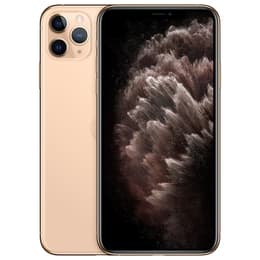
iPhone 11 Pro Max
iPhone 11 Pro Max
Starting at

Refurbished price:£181.00

Versus £749.00 new

See options
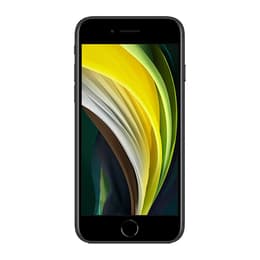
iPhone SE (2020)
iPhone SE (2020)
Starting at

Refurbished price:£67.00

Versus £289.00 new

See options

Ratings

The iPhone 11 Pro Max (2019) and the iPhone SE (2020) represent two distinct philosophies within the smartphone market. While the 11 Pro Max was launched as a large-format flagship designed for high-end photography and media consumption, the SE (2020) arrived as a compact alternative for those who prefer a traditional design and smaller footprint. Both devices operate on the iOS ecosystem, ensuring that users have access to the same apps, security features, and software services regardless of which model they choose.

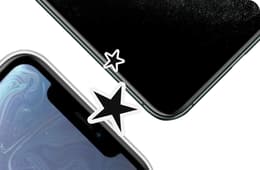
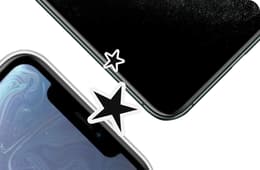
The primary differences between these two smartphones lie in their physical dimensions, display technology, and camera versatility. The 11 Pro Max offers a modern, nearly edge-to-edge screen experience, whereas the SE (2020) retains the classic home button and thicker borders. This comparison explores how these differences impact daily use for different types of users, from mobile professionals to casual browsers.

Scores

Durability

When considering how long these devices will remain functional and relevant, both models benefit from their relatively close release dates and shared internal architecture.

  • Software longevity: Both the iPhone 11 Pro Max and the iPhone SE (2020) are expected to receive software updates for several more years. Because they share the same internal processing generation, they will likely lose support for new iOS versions at approximately the same time, ensuring a similar lifespan for security and feature updates.
  • Repairability and maintenance: The iPhone SE (2020) features a design that is well-understood by technicians, often making screen or battery replacements straightforward. The 11 Pro Max, while also repairable, involves more complex components such as the facial recognition sensors which require careful handling during service.
  • Physical durability: The 11 Pro Max uses a stainless steel frame and textured glass, providing a sturdy feel, while the SE (2020) uses a lighter aluminium frame. Both devices offer water and dust resistance, though the 11 Pro Max is rated for slightly deeper submersion, offering more peace of mind near water.

Year of Release

2019

2020

Compatible with latest Update

Yes

Yes

OS

iOS

iOS

Foldable

No

No

Performance

While both phones provide a smooth and responsive experience for everyday tasks, their hardware configurations lead to different outcomes during heavy multitasking or long days of use.

  • System responsiveness: In daily operation, both devices feel fast when opening apps, scrolling through social media, or browsing the web. The internal hardware ensures that even demanding mobile games run without significant lag, though the larger device handles heat dissipation more effectively during long sessions.
  • Battery performance: There is a significant difference in how long these phones last on a single charge. The 11 Pro Max is designed for heavy users, easily lasting through a full day of intensive use, whereas the SE (2020) has a much smaller battery that may require a top-up by late afternoon for active users.
  • Multitasking and memory: The 11 Pro Max contains more temporary memory (RAM), which allows it to keep more applications open in the background. Users who frequently switch between many different apps will find that the 11 Pro Max reloads content less often than the SE (2020).

Memory (GB)

4 GB

3 GB

Screen quality

The display is the most immediate point of contrast between these two models, affecting everything from reading text to watching high-definition videos.

  • Display technology: The 11 Pro Max features an OLED screen, which produces deep blacks and vibrant colours by turning off individual pixels. In contrast, the SE (2020) uses a standard LCD, which provides accurate and natural colours but lacks the high contrast and 'true black' levels of the larger model.
  • Viewing area and resolution: With a 6.5-inch display, the 11 Pro Max offers a cinematic experience for video playback and more room for productivity. The SE (2020) has a 4.7-inch screen, which is much smaller but makes the device incredibly easy to use with just one hand.
  • Brightness and clarity: The 11 Pro Max can reach much higher brightness levels, which is a significant advantage when trying to read the screen in direct sunlight. While the SE (2020) is clear and sharp, it may be harder to view in bright outdoor environments compared to the flagship model.

Resolution

1242 x 2688

750 x 1334

Screen type

Super Retina XDR OLED

Retina IPS LCD

Audiovisual

For users who prioritise photography and video, the choice between these two devices depends on whether they need versatility or simple point-and-shoot functionality.

  • Lens configurations: The 11 Pro Max is equipped with three distinct lenses: a standard wide, an ultra-wide for landscapes, and a telephoto for zooming in on distant subjects. The SE (2020) features a single wide-angle lens, which takes high-quality photos but lacks the ability to zoom optically or capture wide vistas.
  • Low-light capabilities: A major differentiator is the inclusion of a dedicated Night mode on the 11 Pro Max. This allows for clear, detailed photos in very dark settings, whereas the SE (2020) struggles to produce usable images in low-light conditions without a flash.
  • Video and audio recording: Both smartphones record excellent 4K video with smooth stabilisation. However, the 11 Pro Max offers 'spatial audio' recording and playback, providing a more immersive sound experience when watching back your captured videos or listening to music through the built-in speakers.

Main camera

12 megapixels

12 megapixels

Front camera

12 megapixels

7 megapixels

Miscellaneous

Beyond the core specifications, several practical features influence how these phones feel in your hand and how you interact with them daily.

  • Biometric security: The 11 Pro Max uses Face ID, which scans your face to unlock the phone and authorise payments. The SE (2020) uses the traditional Touch ID fingerprint sensor located in the home button, which many users still prefer for its speed and reliability when wearing a mask or sunglasses.
  • Size and weight: The SE (2020) is one of the lightest and most portable smartphones available, making it ideal for small pockets. The 11 Pro Max is considerably heavier and wider, which may cause hand fatigue for some users but provides a more substantial and premium feel.
  • Connectivity and charging: Both devices support fast charging and wireless charging, and both use the Lightning port. While neither model supports 5G, they both offer fast 4G LTE speeds and modern Wi-Fi standards that are more than sufficient for high-speed internet browsing and streaming.

Weight

226 g

148 g

Screen size (in)

6.5

4.7

Mobile network

4G

4G

SIM card

Physical SIM + eSIM

Physical SIM + eSIM

Carrier compatibility

Unlocked

Unlocked

Connector

Lightning

Lightning

In summary, the iPhone 11 Pro Max and the iPhone SE (2020) cater to very different user needs despite sharing similar internal power. Public sentiment on forums like Reddit often highlights the 11 Pro Max as a 'battery king,' with users praising its ability to last through two days of light use. On the other hand, the SE (2020) is frequently celebrated by those who value the 'classic' iPhone feel, specifically the tactile feedback of the home button and the ease of one-handed operation. Some users have noted that the SE's battery life is its main drawback, while others find the 11 Pro Max's size to be a bit cumbersome for daily carry.

Users who prioritise a large, vibrant screen for media, advanced photography options, and long-lasting battery life will find the 11 Pro Max to be the better fit for their lifestyle. Conversely, users who prefer a lightweight, compact device that handles all the basics with speed and simplicity will likely lean toward the SE (2020). For those looking to make an eco-friendly choice, opting for a quality-assured refurbished version of either device is a sustainable way to get high-end technology. Choosing a refurbished option helps reduce electronic waste while providing a device that has been thoroughly tested for performance. Ultimately, your decision should be based on whether you value the immersive features of a flagship or the practical portability of a compact model.


See all articles

Our recent comparisons